Buddhism's Noble Eightfold Path Explained
Introduction to Buddhism
The Awakened One
Buddhism began with one person's quest to understand suffering. Siddhartha Gautama was a prince in ancient India, born around the 5th century BCE. He lived a life sheltered from hardship, surrounded by luxury and pleasure. But he grew restless, knowing there was more to life than the fleeting happiness within his palace walls.
Venturing outside, he encountered what are known as the Four Sights: an old man, a sick person, a corpse, and a holy man who had renounced worldly life. These encounters shook him to his core. He saw that suffering, sickness, and death are unavoidable parts of human existence. Inspired by the calm demeanor of the holy man, Siddhartha left his palace at the age of 29 to seek a way to end this universal suffering.
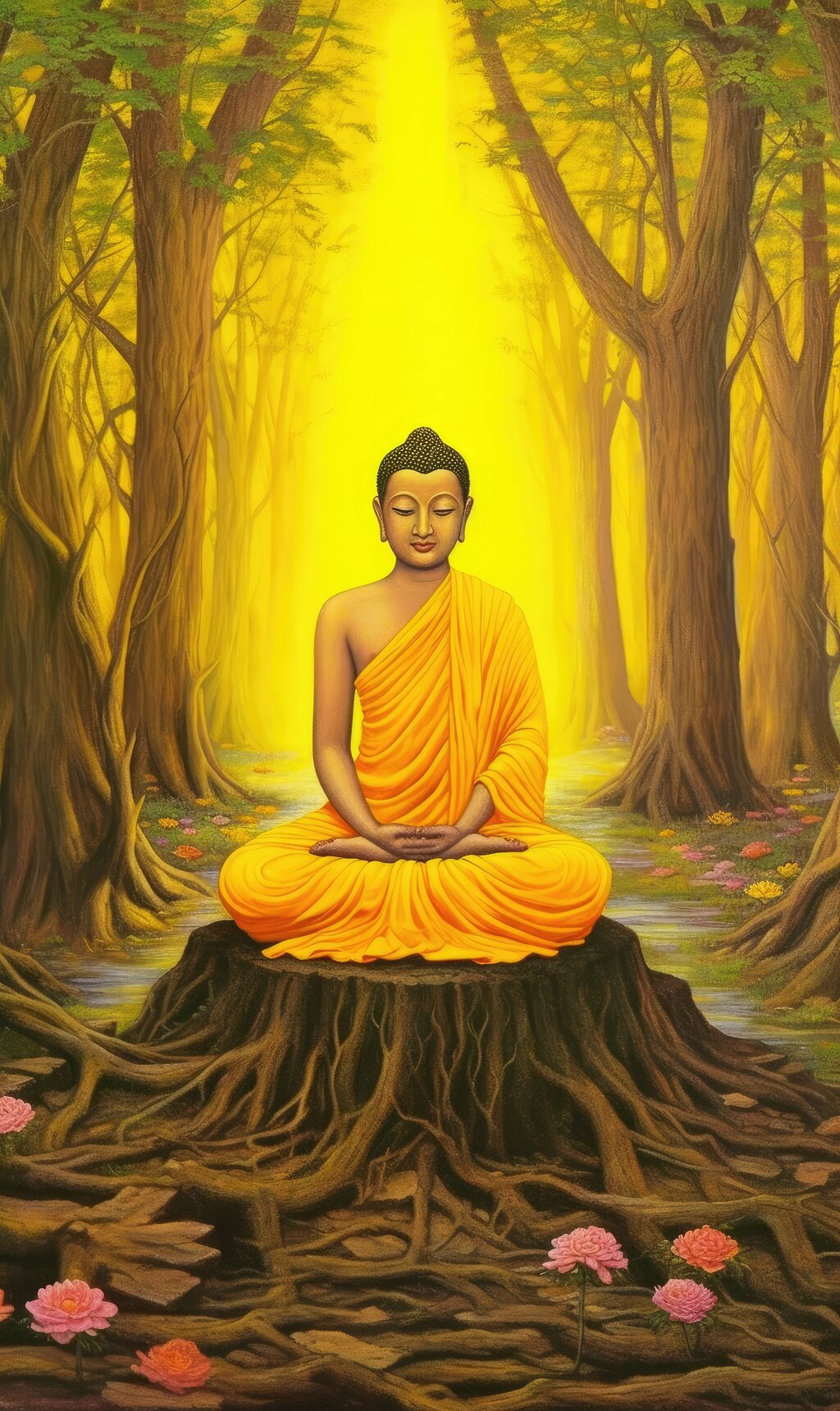
After years of practicing extreme asceticism and deep meditation, he finally achieved enlightenment, or a profound understanding of the nature of reality. From that point on, he was known as the Buddha, which means 'the awakened one.' He wasn't a god, but a human being who had awakened to the truth.
The Four Noble Truths
The Buddha spent the rest of his life teaching others what he had learned. His first and most essential teaching is a framework for understanding our reality, known as the Four Noble Truths. It’s structured like a doctor's diagnosis: identifying the illness, its cause, the possibility of a cure, and the prescription to achieve it.
Here they are in simple terms:
- The Truth of Suffering (Dukkha): Life involves suffering. This doesn't just mean big tragedies, but also the subtle dissatisfaction and stress that comes from wanting things to be different than they are.
- The Truth of the Cause of Suffering (Samudāya): The root of this suffering is craving and attachment. We suffer because we cling to things we want and push away things we don't want.
- The Truth of the End of Suffering (Nirodha): It is possible to end this suffering. By letting go of craving and attachment, we can achieve a state of peace and liberation.
- The Truth of the Path (Magga): The way to end suffering is to follow a specific path of practice.
The Path to Liberation
That brings us to the final truth, which is the practical guide to achieving the 'cure.' This is the Noble Eightfold Path. It is the Buddha's prescription for ending suffering and reaching a state of lasting peace and insight.
enlightenment
noun
A state of profound spiritual insight and understanding of the true nature of reality, resulting in the complete cessation of suffering. In Buddhism, this is the ultimate goal.
The path isn't a list of steps to be completed in order. Instead, it's a set of eight interconnected principles that should be cultivated together. They cover all aspects of life: wisdom, ethical conduct, and mental discipline.
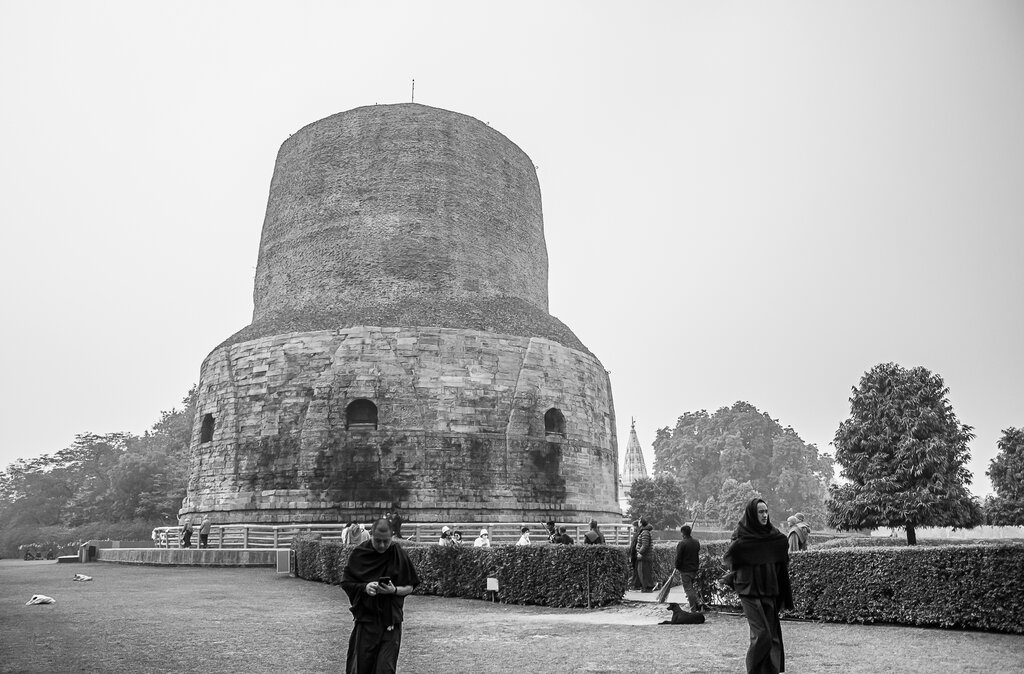
Think of it as a wheel with eight spokes. Each spoke is essential for the wheel to turn properly. This path provides a complete framework for living a mindful, ethical, and compassionate life. It is the core of Buddhist practice, guiding followers toward wisdom and liberation from the cycle of suffering.