Buddhism: A Beginner's Guide
Introduction to Buddhism
The Prince Who Woke Up
Buddhism begins with a man named Siddhartha Gautama, a prince who lived in present-day Nepal around the 5th century BCE. He grew up in a palace, shielded from all forms of suffering. His father, the king, ensured he only ever saw youth, health, and beauty. But Siddhartha was curious about the world beyond the palace walls.
On a series of chariot rides, he encountered what are known as the Four Sights: an old man, a sick man, a corpse, and a holy man who had renounced worldly life. These encounters shook him to his core. For the first time, he understood that aging, illness, and death were unavoidable parts of life. Inspired by the calm demeanor of the holy man, Siddhartha decided to leave his life of luxury to seek a way to end human suffering.
At 29, he left his wife and newborn son and began a new life as a wandering ascetic. He studied with famous teachers and practiced extreme self-denial, believing that punishing the body would free the mind. He nearly starved himself to death but found that this path didn't lead to true understanding. It only weakened him.
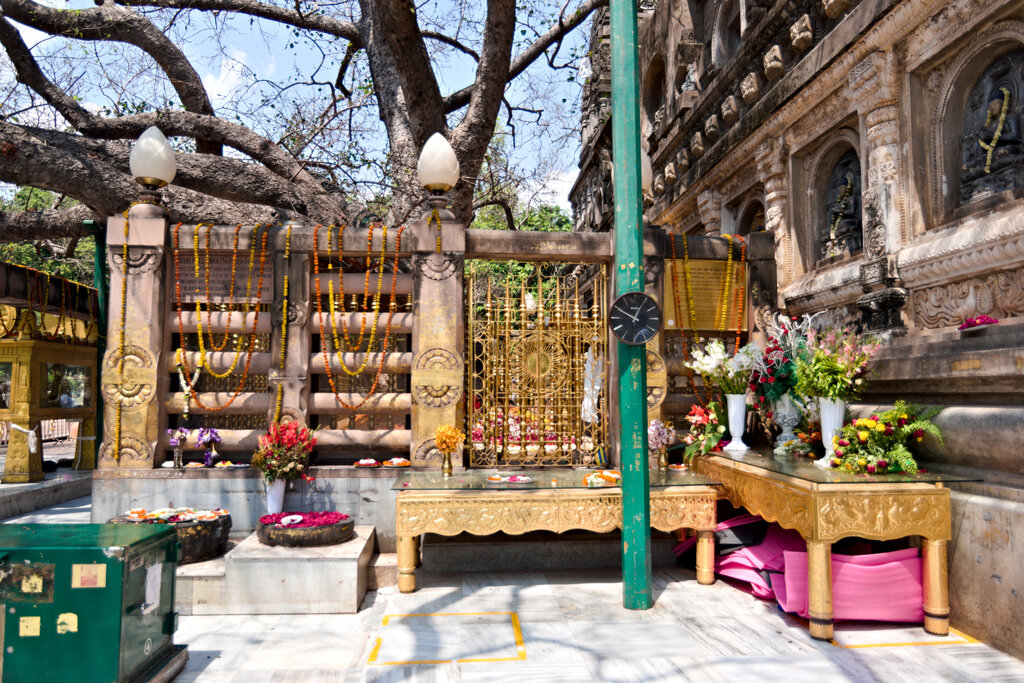
Abandoning extreme asceticism, he chose a 'Middle Way' between indulgence and denial. One day, he sat beneath a Bodhi tree, vowing not to rise until he had found the answers he sought. After a long period of deep meditation, he finally achieved enlightenment. He understood the nature of suffering and the path to its cessation.
What It Means to Be Buddha
From that moment on, Siddhartha Gautama was known as the Buddha. This isn't a name, but a title. It comes from the ancient Pali language and means 'the awakened one' or 'the enlightened one'.
The title 'Buddha' signifies a state of being, not a divine identity. It refers to anyone who has awakened to the true nature of reality.
Buddhists do not worship the Buddha as a god. Instead, they see him as an extraordinary teacher who discovered and shared a path to liberation from suffering. His life demonstrates that it's possible for a human being to achieve profound wisdom and compassion through their own efforts.
The Three Jewels
After his enlightenment, the Buddha spent the rest of his life teaching others. His teachings form the foundation of Buddhism. For followers, the path is often centered on three core concepts, known as the Three Jewels or Three Refuges.
Dharma
noun
The teachings of the Buddha; the universal truths about the nature of existence. It is the path and the law that governs reality.
The Dharma is the map the Buddha provided. It isn’t a set of commands from a god, but a practical guide to understanding our own minds and reducing suffering for ourselves and others.
Sangha
noun
The community of Buddhist practitioners. This can refer specifically to monks and nuns, or more broadly to all people who follow the Buddhist path.
The Sangha is the community of fellow travelers on the path. It provides support, guidance, and friendship, creating an environment where the teachings can be studied and practiced together.
The third jewel is the Buddha himself, representing the potential for enlightenment that exists within all beings. Together, Buddhists 'take refuge' in the Buddha, the Dharma, and the Sangha as the pillars of their spiritual practice.
The Goal of the Path
So, where does this path lead? The ultimate goal in Buddhism is Nirvana.
Nirvana
noun
The ultimate goal of Buddhism; the cessation of suffering and the cycle of rebirth. It is a state of profound peace, freedom, and release from desire and ignorance.
Nirvana isn't a heaven or a physical place you go to after death. It's a state of being that can be realized right here, in this life. It’s the extinguishing of the 'fires' of greed, hatred, and delusion that cause our suffering. Reaching it means finding a lasting peace that isn't dependent on external conditions.
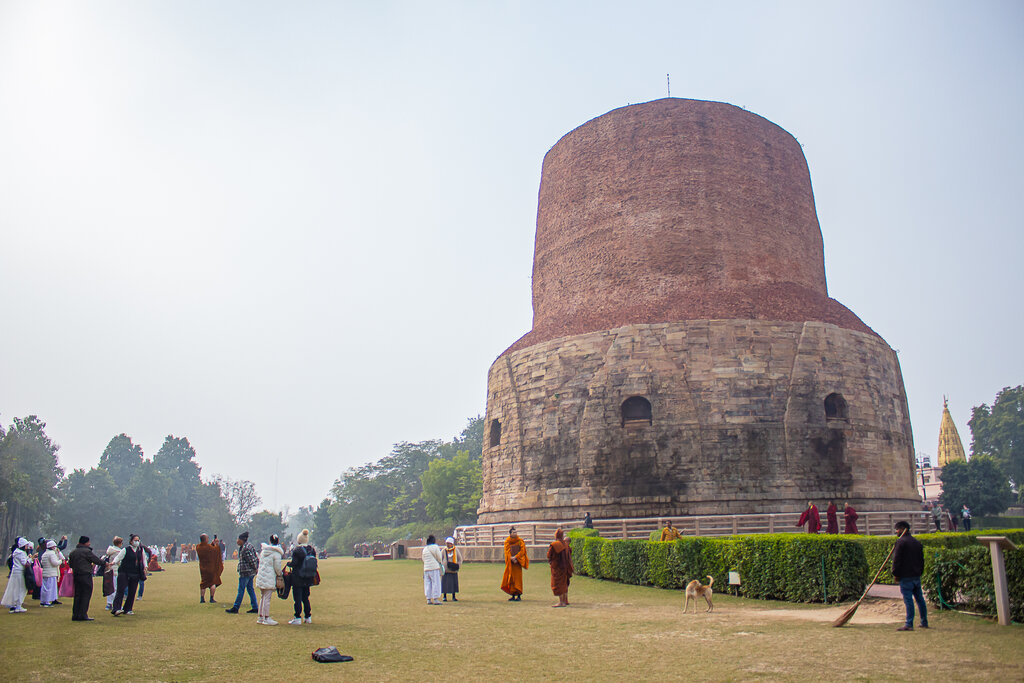
From its origins in India, Buddhism spread throughout Asia and, in the last century, across the globe. Today, it is a major world religion with hundreds of millions of followers. Its core ideas about mindfulness, compassion, and the nature of the mind continue to resonate with people from all walks of life, offering a timeless path to inner peace.
What were the 'Four Sights' that prompted Siddhartha Gautama to leave his palace and seek answers to human suffering?
After nearly starving himself to death, Siddhartha abandoned extreme asceticism for a path he called the 'Middle Way'. This path is best described as being between which two extremes?
These foundational concepts set the stage for the specific practices and philosophies that grew from the Buddha's original insights.