Buddha's Birthplace
Introduction to Siddhartha Gautama
The Sheltered Prince
Before he was the Buddha, he was Siddhartha Gautama, a prince of the Shakya clan. He was born around the 6th century BCE in a small kingdom nestled in the foothills of the Himalayas, in what is now Nepal. Legend says that a wise seer predicted he would become either a great king or a great spiritual leader. His father, King Suddhodana, wanted the former and decided to shield his son from the world's harsh realities.
Siddhartha grew up in lavish palaces, surrounded by every imaginable comfort. He was educated in martial arts, statecraft, and literature. He married and had a son. His father ensured he never witnessed sickness, old age, or death. But curiosity about the world outside his gilded cage eventually led him to venture out.
On these journeys, he encountered what are known as the Four Sights: an old man, a sick person, a corpse, and a wandering holy man who had renounced worldly life. These encounters shattered his sheltered worldview and filled him with a profound sense of urgency to understand the nature of suffering.
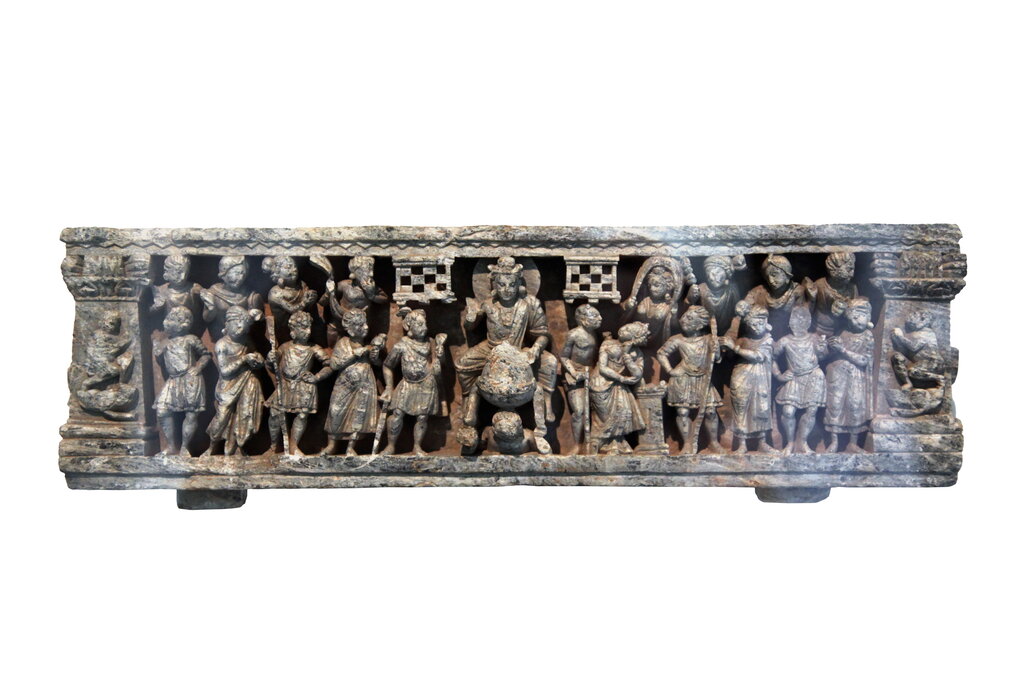
At the age of 29, he left his palace, his family, and his inheritance behind. He shaved his head, traded his fine robes for simple ones, and set out to find a way to end suffering.
A World in Question
Siddhartha’s world was in a state of flux. The Indian subcontinent was a patchwork of small kingdoms and republics. The dominant religious system was Brahmanism, which was based on sacred texts called the Vedas and administered by a priestly class, the Brahmins. Society was rigidly structured by a caste system, which determined a person's role and status from birth.
But many were questioning these established traditions. A new spiritual movement was sweeping through the region, known as the Śramaṇa movement. It consisted of wandering ascetics who rejected the authority of the Vedas and the Brahmin priests. They left their homes and families to pursue spiritual liberation through personal effort, meditation, and philosophical inquiry.
ascetic
noun
A person who practices severe self-discipline and abstains from all forms of indulgence, typically for religious reasons.
Siddhartha joined these wandering truth-seekers. He studied with famous teachers and mastered their meditation techniques. He then joined a group of five ascetics and practiced extreme self-mortification, believing that punishing the body would free the spirit. He ate barely enough to survive, becoming frighteningly thin. Yet, after six years, he realized that this path only weakened his mind and brought him no closer to the truth.
Finding the Middle Way
He concluded that neither the path of worldly indulgence nor the path of extreme self-denial led to enlightenment. The true path, he reasoned, must lie somewhere in between. This realization became known as the Middle Way.
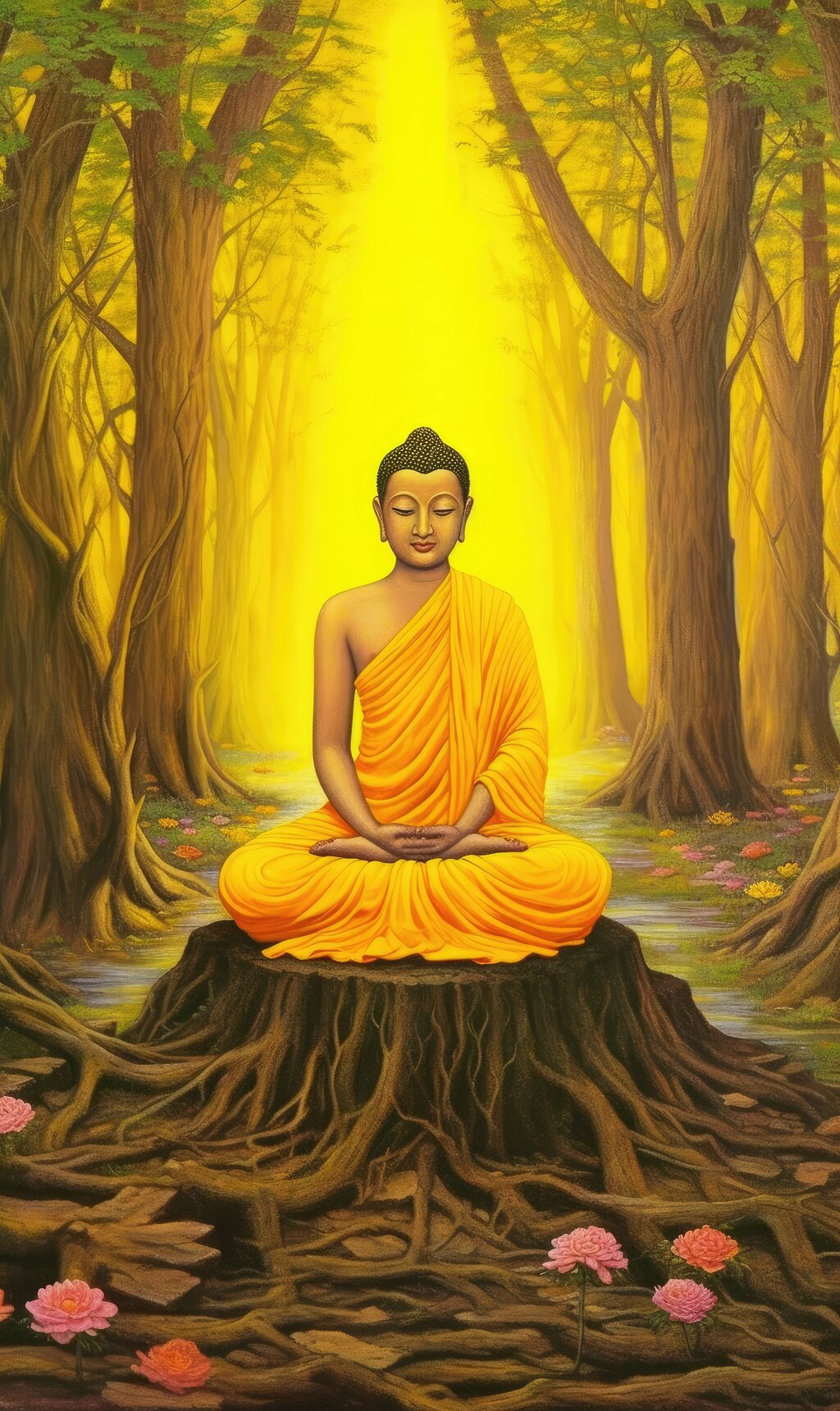
Revitalizing himself with food, he sat beneath a Bodhi tree and vowed not to rise until he had found the answers he sought. After a profound meditative experience, he awakened. He had become the Buddha, which means "the awakened one." He had achieved a state of perfect wisdom and compassion, free from all suffering.
His foundational teaching, delivered in his first sermon, centered on the Four Noble Truths. These truths diagnose the human condition and prescribe a cure.
| Truth | Description |
|---|---|
| 1. The Truth of Suffering | Life inevitably involves suffering, dissatisfaction, and stress (dukkha). |
| 2. The Truth of the Origin of Suffering | The cause of suffering is craving, attachment, and aversion. |
| 3. The Truth of the Cessation of Suffering | Suffering can be ended by eliminating craving, attachment, and aversion. |
| 4. The Truth of the Path | The way to end suffering is to follow the Noble Eightfold Path. |
The Noble Eightfold Path is a practical guide to ethical conduct, mental discipline, and wisdom. It avoids extremes and offers a balanced approach to life. For the next 45 years, the Buddha traveled throughout northern India, sharing these insights with anyone who would listen, regardless of their caste or background.
What was the primary motivation for Siddhartha's father, King Suddhodana, to shield him from the world's harsh realities?
Siddhartha's realization that neither extreme indulgence nor extreme self-mortification leads to enlightenment is known as the __________.