Brutalism Architecture Explained
Introduction to Brutalism
The Beauty of the Beast
After World War II, cities across Europe lay in ruins. There was a massive need to rebuild, not just homes, but schools, government offices, and community centers. The demand was for buildings that were affordable, functional, and could be built quickly. Out of this necessity, a new architectural style emerged: Brutalism.
The name sounds harsh, but it doesn't come from the word "brutal." It comes from the French term béton brut.
raw concrete
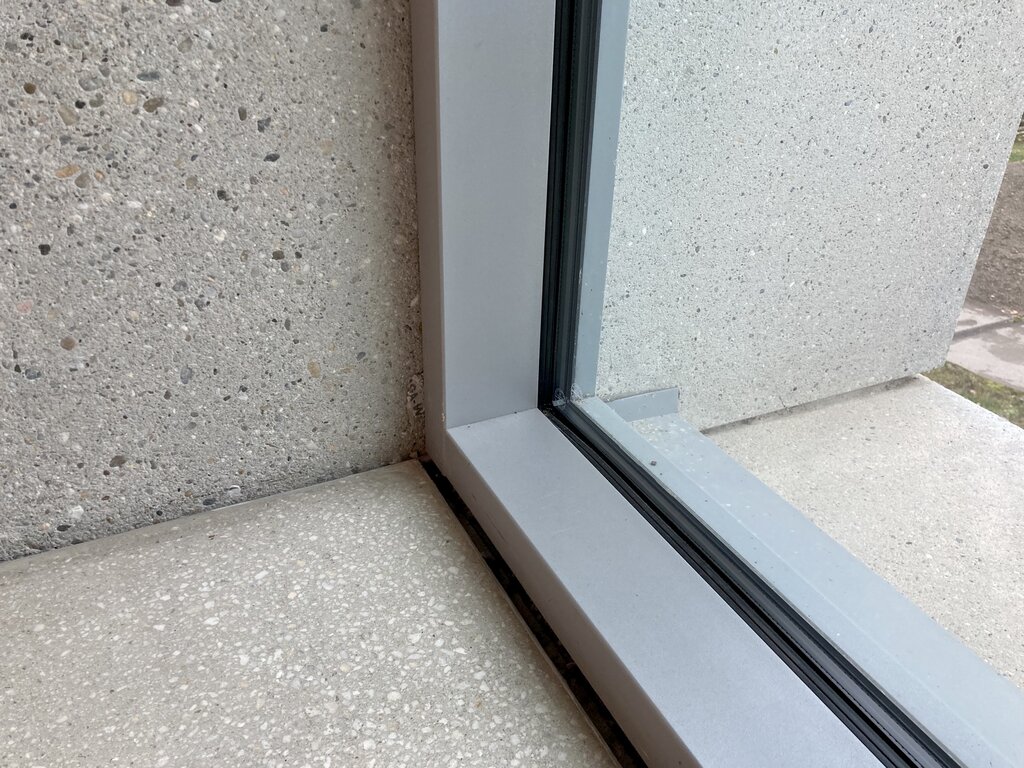
Coined by the pioneering architect Le Corbusier, this term captured the essence of the style. Instead of covering a building's structure with plaster, paint, or brick, Brutalist architects left the raw concrete exposed for all to see. The very material used to build the structure became its finish.
Honesty in Form
At its heart, Brutalism is about honesty. The philosophy was simple: a building should be true to its materials, its structure, and its purpose. There was no room for unnecessary decoration. Functionality was paramount.
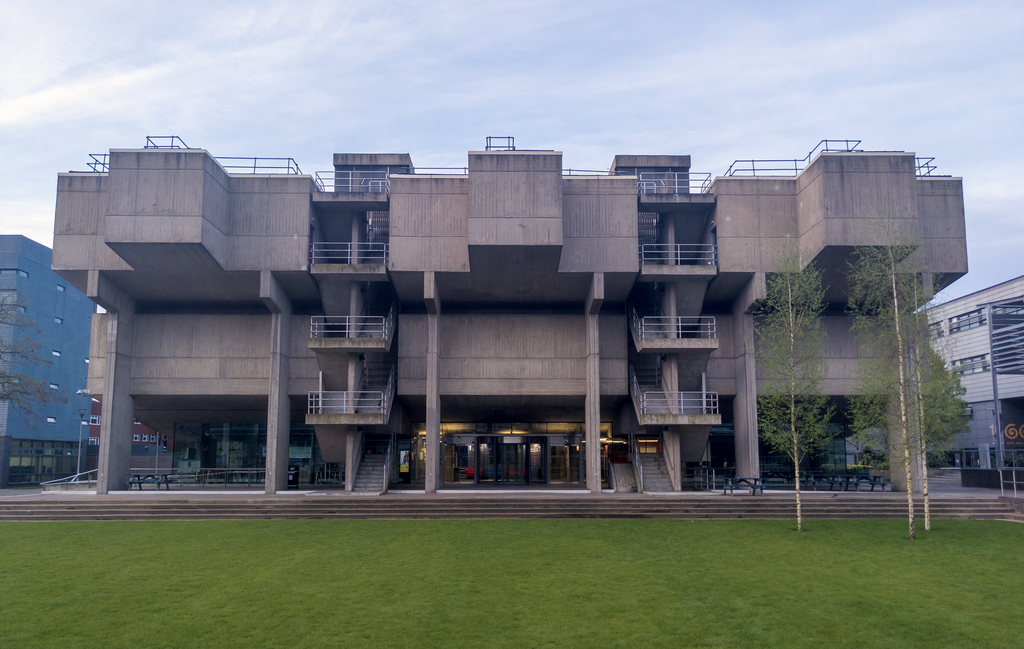
This led to several key characteristics. Brutalist buildings are often massive, blocky, and overwhelmingly geometric. They feature repeating modular elements, creating a sense of order and strength. You won't find delicate curves or ornate carvings. Instead, you'll see bold, unapologetic forms that clearly show how the building stands up.
The wood grain patterns often visible in the concrete are a direct imprint from the wooden planks used to create the molds, or formwork, into which the wet concrete was poured.
Think of it like a machine with a transparent case. You can see all the gears and wires working together. Brutalist architecture does the same thing. The beams that hold up the roof, the columns that support the floors, and even the ventilation systems are often left exposed, becoming part of the building's aesthetic.
A Vision for Society
Brutalism wasn't just an architectural choice; it was tied to the social ideals of the time. The post-war era was a period of optimism and a belief in the power of government to create a better, more equitable society. Concrete was seen as a democratic material—it was inexpensive and strong, perfect for building public housing, universities, and libraries for everyone.
Brutalism emphasized structural honesty and intended to reflect societal ideals of equality and transparency through architecture.
These buildings were meant to be symbols of strength and permanence. They were solid, dependable structures designed to serve the community for decades. This powerful, honest approach created some of the most distinctive and memorable buildings of the 20th century.
Ready to test your knowledge?
The term "Brutalism" originates from which phrase?
What is the central philosophy behind Brutalist architecture?
From its philosophical roots to its massive concrete forms, Brutalism was a direct and powerful response to the needs of its time.