British Socio-Political Evolution to 1800
Proto-State Governance
From Oppida to Civitates
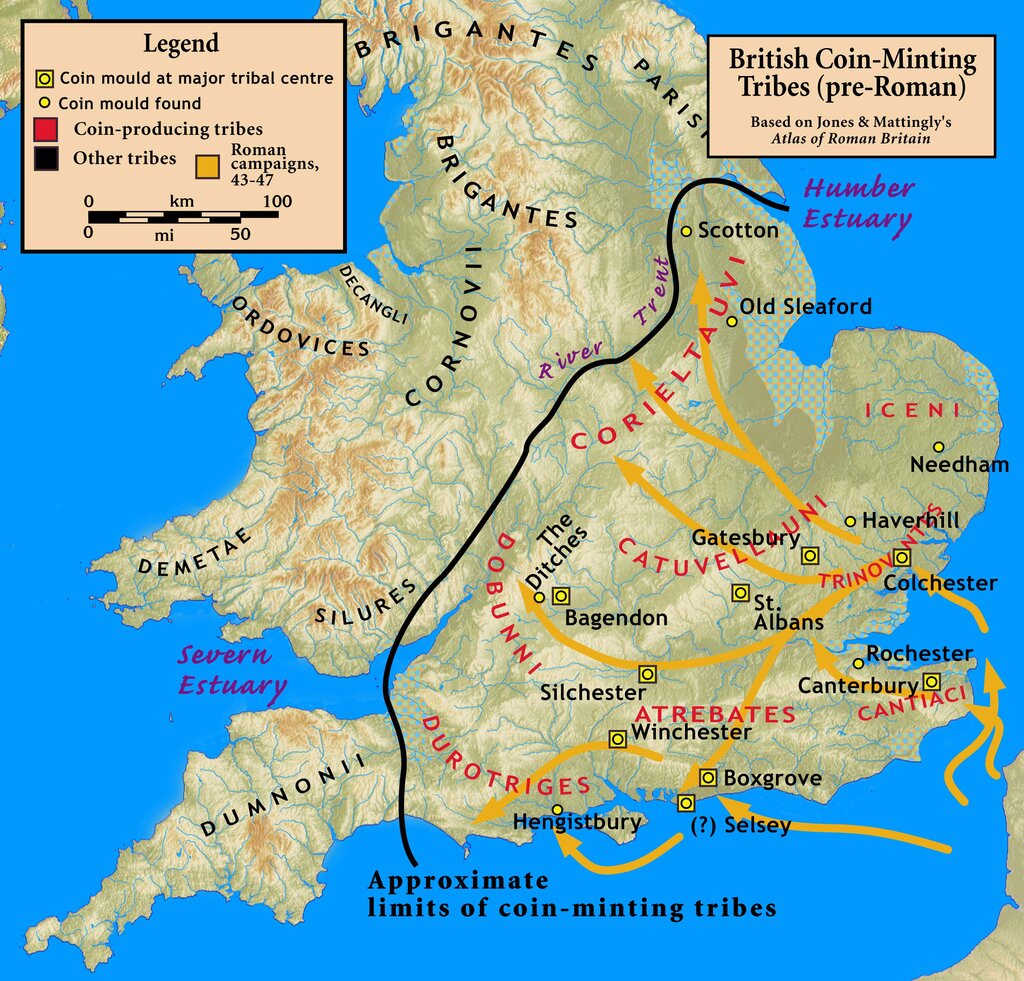
The socio-political landscape of pre-Roman Britain was far from a simple collection of rural tribes. By the Late Iron Age, it was characterized by the emergence of , large, fortified settlements that functioned as proto-urban centers. These were not mere defensive sites but complex hubs of political power, craft production, and regional trade. Their internal organization often reflected a stratified society, with elite enclosures, ritual precincts, and areas for specialized artisans. Power was vested in client-kings or oligarchies whose authority stemmed from control over agricultural surplus, trade routes, and military strength. This pre-existing hierarchical structure provided a framework the Romans could co-opt.
Romanization was less a passive cultural diffusion and more a deliberate administrative strategy. The Romans identified and exploited existing power dynamics. Instead of dismantling the native aristocracy, they integrated it. The establishment of civitates was central to this policy. These self-governing administrative units were typically based on the pre-existing tribal territories. Local elites were incentivized to adopt Roman customs, language, and governance models by being appointed as magistrates. This system of indirect rule was efficient, leveraging local knowledge and authority to manage taxation, law, and order, thereby minimizing the need for a large Roman administrative footprint.
| Feature | Pre-Roman Oppidum | Roman Civitas |
|---|---|---|
| Political Unit | Tribal territory | Administrative canton |
| Leadership | Client-king / Chieftain | Elected Magistrates (Duoviri, Aediles) |
| Legal System | Customary/Oral law | Roman Civil Law (localized) |
| Economic Hub | Regional trade, coin minting | Forum, Basilica, integrated provincial economy |
| Social Structure | Warrior aristocracy | Landed gentry, Romanized elite |
Legal and Fiscal Integration
The ideological friction between indigenous legal traditions and Roman civil law was a persistent feature of provincial life. While local magistrates handled minor disputes according to custom, major cases and those involving Roman citizens fell under the governor's jurisdiction. The process of legal integration culminated in the (Constitutio Antoniniana) of 212 AD. This decree granted Roman citizenship to nearly all free inhabitants of the empire.
For Britain, the Edict's impact was profound. It theoretically eliminated the legal distinction between Roman colonists and the native populace, standardizing legal status and obligations. This accelerated the Romanization of the legal system, though pre-existing Brittonic common law likely persisted in rural and local contexts for generations. The grant of citizenship was not merely symbolic; it bound the provincial elite more tightly to the imperial system, giving them a greater stake in its stability.
Citizenship became a tool of both assimilation and administration, turning conquered peoples into taxpayers and participants in the Roman legal framework.
Late Imperial Administration
As the empire faced increasing external threats in the 3rd and 4th centuries, its military and administrative structures evolved. The classic legionary command structure was supplemented by new roles. The and emerged as key figures in the defense of Britain. Initially, the Comes Britanniarum was a high-ranking field commander responsible for mobile expeditionary forces, able to respond to crises anywhere in the diocese. The Dux Britanniarum, by contrast, was a regional commander, responsible for the static frontier garrisons, primarily along Hadrian's Wall and the northern frontier.
This division of command reflected the empire's strategic shift towards a layered defense. It also led to a greater separation of civil and military authority, a hallmark of Diocletian's reforms. The civil administration of the Diocese of Britannia was overseen by a vicarius, based in Londinium, who managed the four (later five) provinces.
Late Roman fiscal policies placed immense strain on the province. The annona, a tax paid in kind (primarily grain), was essential for supplying the army and bureaucracy. This system, combined with the increasing monetization of other taxes, drove significant changes in the agrarian economy. Large villas, which had been centers of commercial agriculture, began to shift towards self-sufficiency. Marginal land fell out of production, and there is archaeological evidence for a contraction of rural settlement in some areas. The burden of taxation fell heavily on the curiales, the class of local landowners responsible for tax collection in their civitas, leading to the decline of this once-powerful group.
Time to review what you've learned.
Now, let's test your knowledge.
What was the primary function of the settlements known as oppida in Late Iron Age Britain?
The Roman administration of Britain primarily relied on direct rule, replacing the entire native British aristocracy with Roman officials to govern the newly formed civitates.
The transition from Iron Age oppida to the complex provincial bureaucracy of the late empire demonstrates both the adaptability of Roman administrative policy and the resilience of local structures. This interplay shaped the governance of Britain for nearly four centuries.