Britain's Industrial Revolution Head Start
Introduction to the Industrial Revolution
The World Transformed
Before the 18th century, most people lived in rural areas. Life was tied to the land and the seasons. Goods were made by hand, slowly, in small workshops or homes. Then, a dramatic change began, first in Great Britain and then spreading across the globe. This period of rapid transformation is known as the Industrial Revolution.
Industrial Revolution
noun
A period of major industrialization and innovation that took place during the late 18th and early 19th centuries. It marked a shift from an agrarian, handicraft economy to one dominated by industry and machine manufacturing.
This wasn't a political revolution with battles and flags. It was a technological and economic one. At its heart was a simple idea: using machines to do the work once done by people and animals. This single shift would fundamentally alter how societies were organized, how people worked, and where they lived.
The Age of Invention
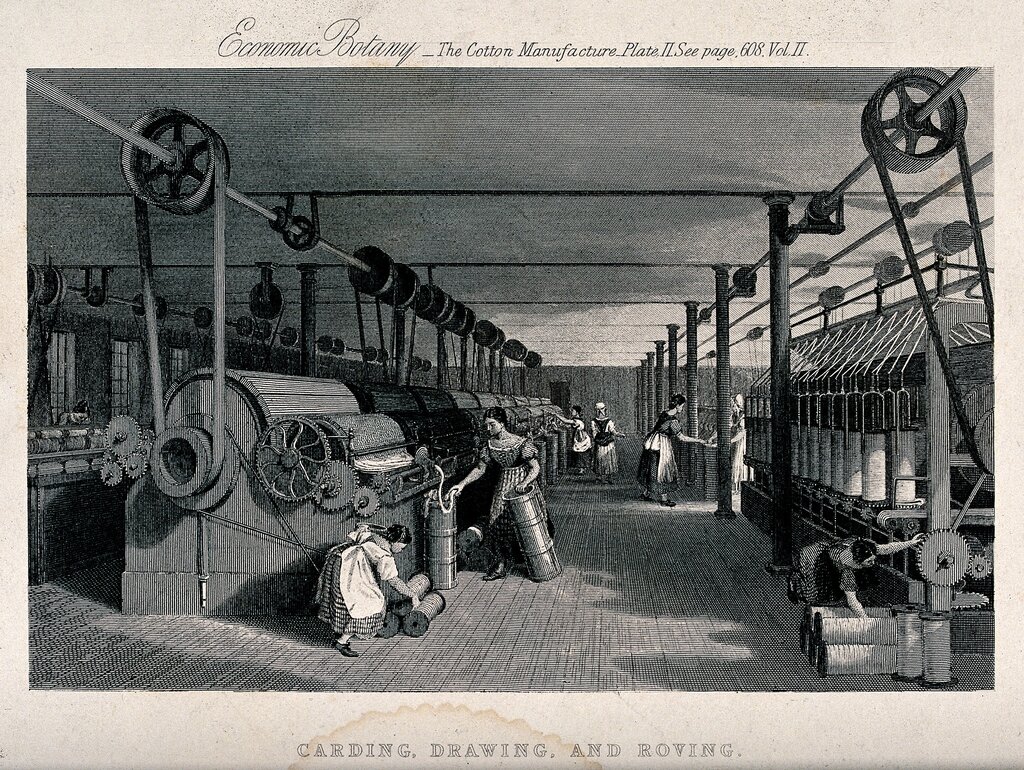
New inventions were the engine of this change. The revolution first took hold in the textile industry. For centuries, spinning thread and weaving cloth were painstaking manual tasks. But inventions like the spinning jenny and the power loom allowed a single worker to produce vastly more cloth than ever before. Large buildings called factories were built to house these new, bulky machines.
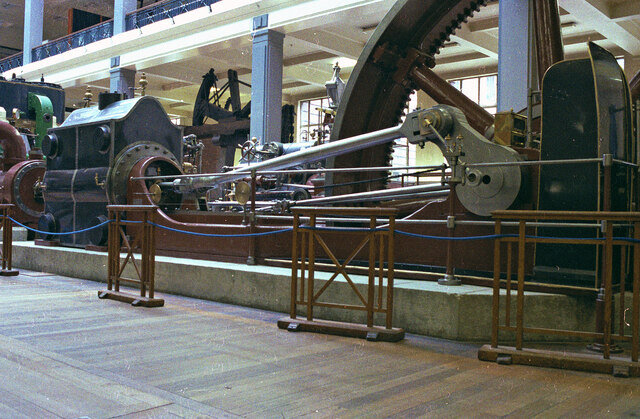
The most iconic invention of the era, however, was the steam engine. Perfected by James Watt in the 1770s, it provided a powerful and reliable source of energy. Steam could power the new factory machines, but its impact didn't stop there. It drove locomotives and steamships, shrinking distances and connecting the world in new ways. Materials and goods could be moved faster and cheaper than ever before.
Alongside steam, breakthroughs in metallurgy were crucial. New techniques for producing iron and steel made it possible to build stronger machines, longer bridges, and taller buildings.
A New Economy
The factory system completely changed how goods were made. Instead of a single artisan crafting a product from start to finish, production was broken down into small, repetitive tasks performed by different workers on an assembly line. This was much more efficient and led to a massive increase in the quantity of manufactured goods available. This system is known as mass production.
The factory system concentrated labor and machines in one location, leading to highly specialized work and a dramatic increase in production.
This new industrial economy created immense wealth, but it was distributed unevenly. Factory owners and investors could become incredibly rich. A new middle class of managers, engineers, and merchants also emerged. However, the workers who operated the machines often saw little of this new prosperity.
Social Upheaval
The Industrial Revolution triggered one of the largest migrations in human history. As factories sprung up, they needed workers. People left their farms and small villages in droves, seeking jobs in the new industrial centers. Cities grew at a breathtaking pace.
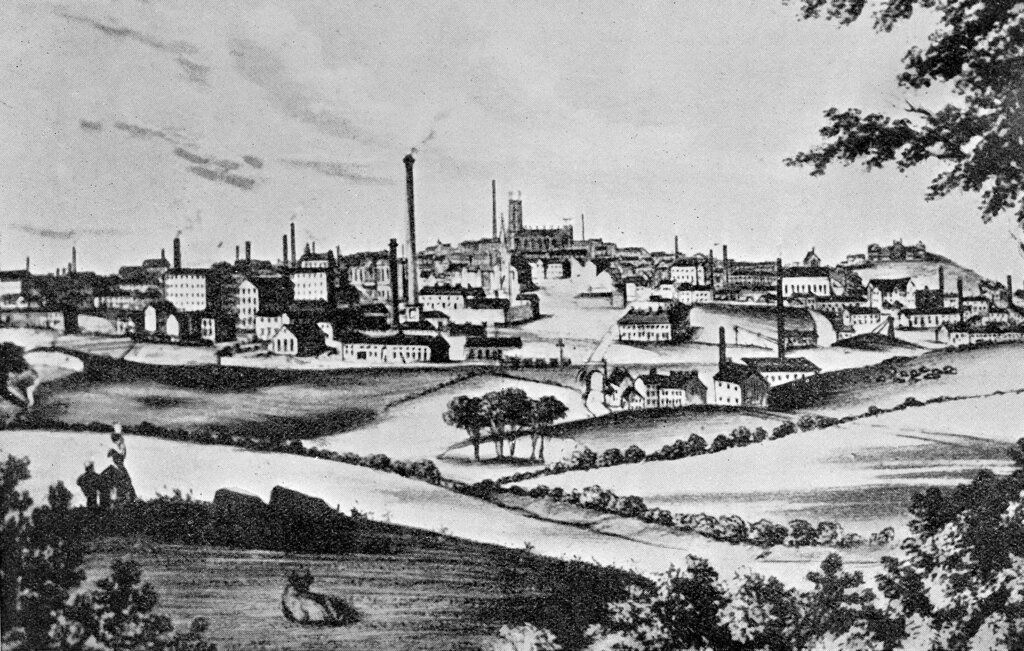
Life in these new cities was often grim. They were overcrowded, unsanitary, and lacked basic services. Factory work was dangerous and demanding, with long hours and low pay. Entire families, including young children, worked in mills and mines. This period saw the rise of new social classes and, with them, new social problems and tensions.
The introduction of the factory system and the growth of industrial cities in England in the late 18th and early 19th centuries did indeed witness overcrowding, long hours, the exploitation of children, and all the other ills that have been attributed by historians to them.
The way people lived and related to each other was forever changed. The rhythm of life, once dictated by the sun and seasons, was now governed by the factory clock. The Industrial Revolution created the modern world, with all its opportunities and challenges.