Bright Spot Analysis in CX
Introduction to Customer Experience
What Is Customer Experience?
Customer Experience, or CX, is the overall perception a customer has of your company. It’s not just about one interaction, like a single purchase or a call to customer service. It’s the sum of every touchpoint, from the first time they see your ad to the moment they unbox your product and every step that follows.
Think about your two favorite coffee shops. They might sell the exact same latte, but you probably prefer one over the other. Why? Maybe the barista at one shop always remembers your name. Perhaps their app is incredibly easy to use for ordering ahead. Or maybe the atmosphere is just more welcoming. That entire feeling is the customer experience.
CX is the gut feeling a customer has about your brand based on the total journey they've had with you.
Why It Matters More Than You Think
A great customer experience is one of the most powerful advantages a business can have. When customers have a positive experience, they become loyal. They come back again and again, and they tell their friends about you. This loyalty is the engine of sustainable growth.
Customer experience is a key driver of customer retention.
On the flip side, a poor experience can be devastating. A single frustrating interaction can send a customer to your competitor for good. In today’s crowded market, where products and prices are often similar, the quality of the customer experience is what truly sets a brand apart. It directly impacts revenue by increasing customer lifetime value and reducing churn.
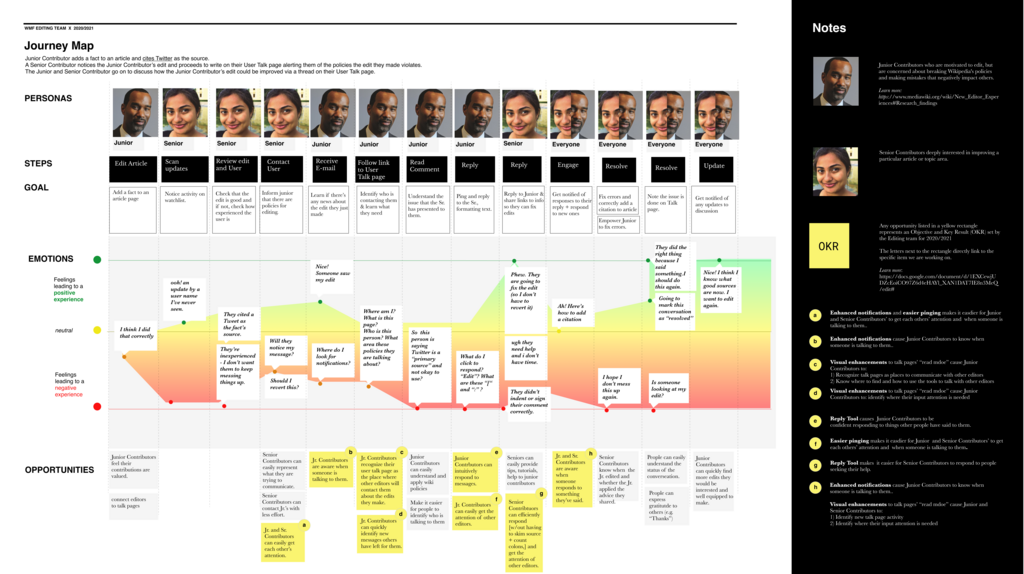
The Core Components of CX
A complete customer experience is built on three key pillars. To deliver a great CX, a business needs to get all of them right.
1. Success: Did the customer achieve their goal? This is the most basic component. If a customer visits your website to buy a product, success means they were able to find it, pay for it, and have it delivered. If they can’t accomplish their primary task, the experience is a failure, no matter how pleasant it was.
2. Effort: How easy was it for the customer to achieve their goal? A successful outcome isn't enough. If a customer has to jump through hoops, navigate a confusing website, or wait on hold for an hour, the experience is poor. A great CX feels seamless and intuitive.
3. Emotion: How did the interaction make the customer feel? This is the human element. Did they feel valued and understood, or frustrated and ignored? Positive emotions build a strong connection to your brand, turning a simple transaction into a memorable experience.
Understanding customer experience is the first step toward improving it. By focusing on making every interaction successful, effortless, and emotionally positive, you build a foundation for lasting customer relationships.