Bridging Industrial and Biomedical Engineering
Introduction to Biomedical Engineering
Engineering Meets Medicine
Biomedical engineering is where the problem-solving toolkit of engineering meets the complex world of biology and medicine. At its core, this field applies principles from engineering to create solutions for healthcare. The ultimate goal is to improve human health and quality of life, whether that means designing a better artificial hip, developing new ways to see inside the body, or creating materials that can help tissues regrow.
This field is inherently interdisciplinary. It's a fusion of mechanical, electrical, and chemical engineering with biology, chemistry, and medicine.
A Brief History
While the formal academic discipline is relatively new, the concept of engineering medical solutions has been around for centuries. Early examples include simple prosthetic limbs and even dental fillings. However, the field truly began to take shape in the 20th century, spurred by technological advances from World War II.
The development of the first cardiac pacemakers, dialysis machines, and heart-lung bypass machines in the 1950s and 60s marked a major turning point. These innovations showed what was possible when engineers and physicians collaborated closely. Since then, the field has exploded, branching into the specialized areas we see today.
Core Areas of Focus
Biomedical engineering is a broad field, but it can generally be broken down into a few key areas.
Medical Devices: This involves the design and creation of machines and instruments used for diagnosing, treating, and monitoring medical conditions. Examples range from simple surgical tools to complex devices like MRI machines, implantable pacemakers, and robotic surgical systems.
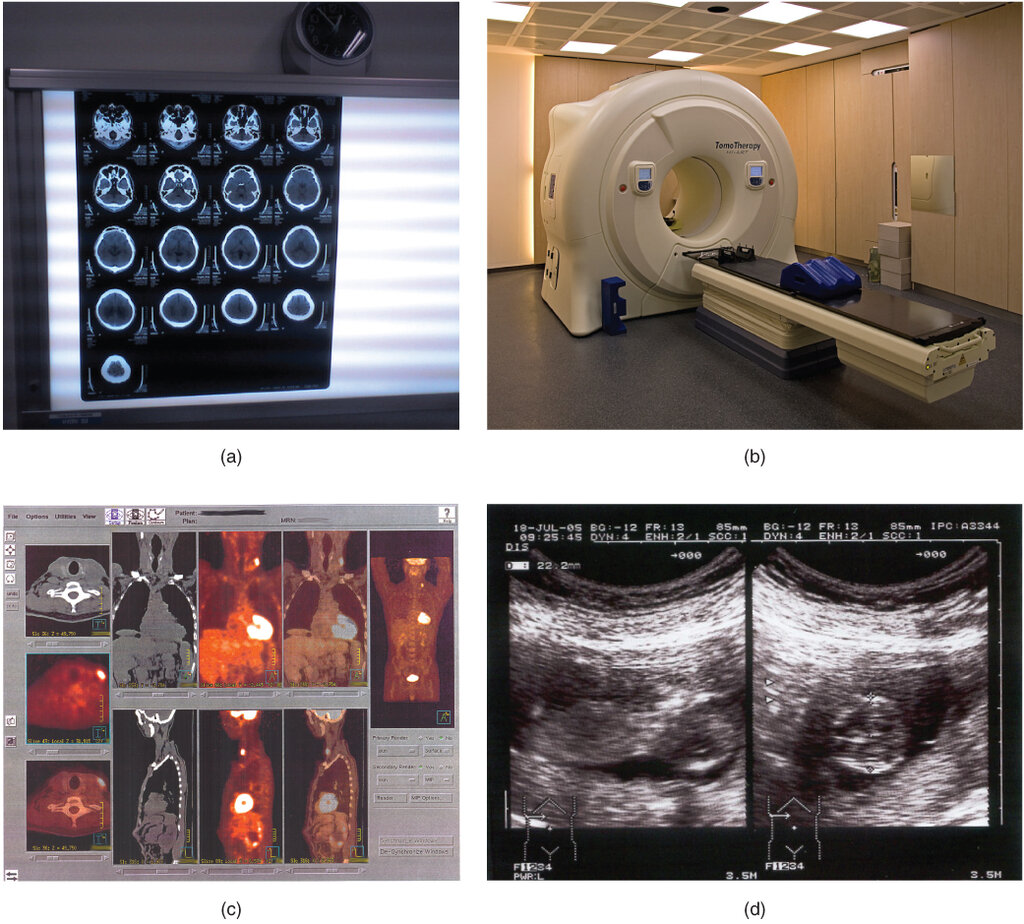
Medical Imaging: Engineers in this area develop the systems and techniques that allow us to see inside the human body without surgery. This includes technologies like X-ray, computed tomography (CT), magnetic resonance imaging (MRI), and ultrasound. Their work focuses on improving image quality, reducing radiation exposure, and creating new ways to visualize biological processes.
Biomaterials: This subfield is dedicated to creating materials that are compatible with the human body. These materials are used for a huge variety of applications, including artificial joints and ligaments, sutures that dissolve over time, scaffolds for tissue regeneration, and systems for targeted drug delivery.
Biomedical vs Industrial Engineering
It can be helpful to compare biomedical engineering with a more traditional field like industrial engineering. At a high level, both disciplines focus on designing and optimizing complex systems. An industrial engineer might improve a factory assembly line for maximum efficiency, while a biomedical engineer might optimize a workflow in a hospital's emergency room.
The fundamental difference lies in the system being engineered. Industrial engineering deals with manufacturing, supply chains, and other industrial processes. Biomedical engineering applies these same principles of optimization and efficiency to the uniquely complex and variable systems of the human body and healthcare.
| Feature | Biomedical Engineering | Industrial Engineering |
|---|---|---|
| Primary Focus | Biological and medical systems | Manufacturing and operational systems |
| Core Goal | Improve human health | Improve efficiency and productivity |
| System Type | Living, highly variable systems (e.g., the human body) | Man-made, controlled systems (e.g., a factory) |
| Example Project | Designing an artificial heart valve | Optimizing a warehouse layout |
By blending engineering rigor with a deep understanding of biology, biomedical engineers are uniquely positioned to tackle some of the most pressing challenges in medicine today.