Bridging Generations Communicating with Dad
Understanding Personal Needs
The First Step: Know Yourself
Good communication doesn't start with talking. It starts with knowing what you want to say. Before you can have a clear conversation with someone else, you need to have a clear conversation with yourself. This means understanding your own feelings and needs. When you're aware of what's going on inside, you can express yourself more clearly and calmly.
What Do You Really Need?
Needs are more than just food and water. We have emotional needs, too. These are things like the need for respect, understanding, space, or support. Often, when we feel upset or frustrated in a situation, it's because one of these core needs isn't being met.
Identifying your needs can feel tricky at first. A good way to start is by asking yourself simple questions when you feel a strong emotion:
- What do I want right now?
- What would make this situation feel better?
- What do I feel is missing?
The answers point directly to your needs. Maybe you don't just want the music turned down; you need quiet to focus. You don't just want to be left alone; you need some personal space after a long day.
Try this: The next time you feel a surge of frustration, pause for a moment. Instead of reacting, ask yourself, "What is the need I have that isn't being met right now?"
Recognizing your need is a game-changer. It shifts your focus from blaming the other person to understanding yourself. Instead of thinking, "He's so annoying," you can think, "I need some peace and quiet right now." This simple change makes it much easier to find a solution.
Give Your Feelings a Name
Emotions are signals. They tell you whether your needs are being met or not. When you feel happy, content, or calm, your needs are likely being fulfilled. When you feel angry, sad, or anxious, an important need is probably being ignored.
Many of us use just a few words to describe our feelings, like "mad" or "sad." But emotions are more specific than that. Are you mad, or are you feeling frustrated, disrespected, or disappointed? Are you sad, or are you lonely, hurt, or discouraged?
Using more precise words helps you understand the situation better. It also helps others understand you. Saying "I feel disrespected when you interrupt me" is much clearer than just yelling.
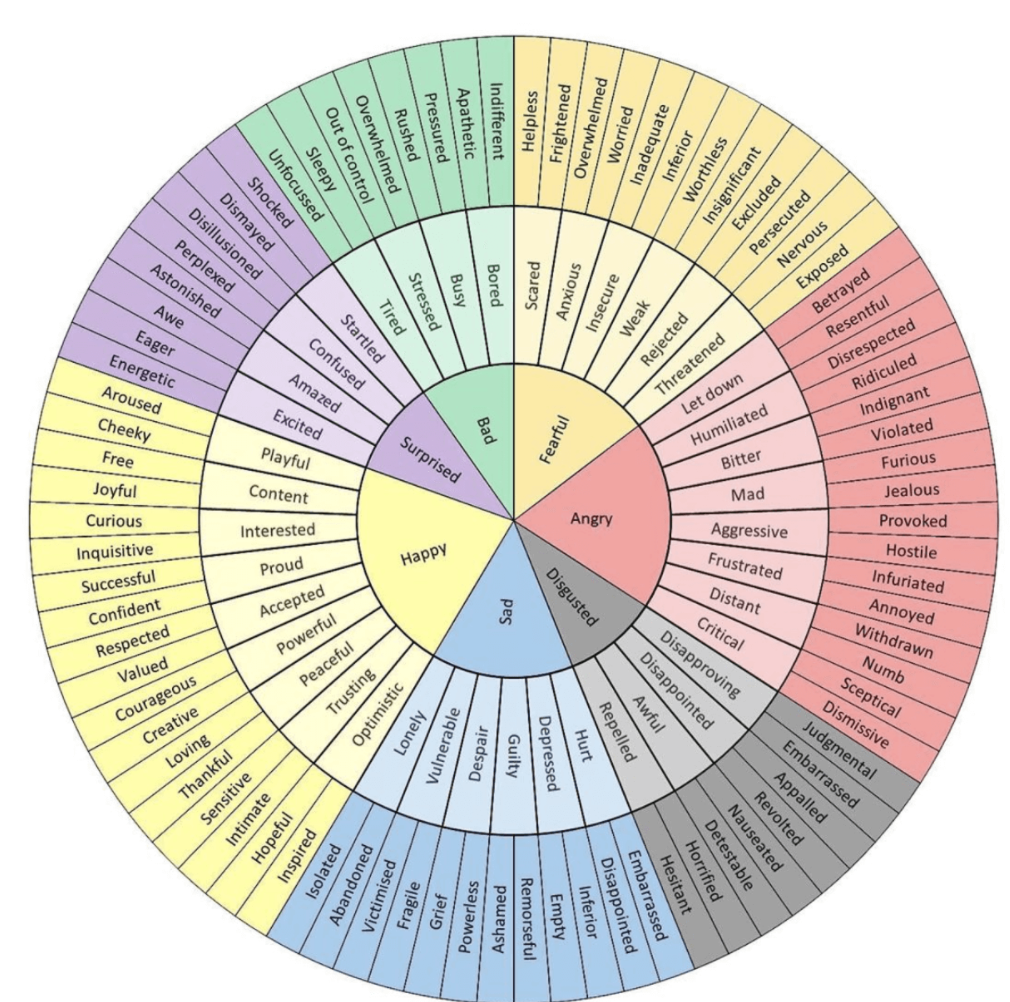
When you can accurately label your emotions, you gain power over them. You move from simply reacting to a feeling to understanding what it's trying to tell you. This is the core of self-awareness.
By following these four steps, NVC encourages clear, compassionate communication that increases the likelihood of getting our needs met while also considering the needs of others.
This self-awareness—knowing what you need and what you feel—is the foundation for every healthy conversation. Without it, you're communicating in the dark. You might get your point across through volume or anger, but you're less likely to get the understanding and connection you truly want.
By starting with yourself, you're not just preparing for one conversation. You're building a skill that will improve all of your relationships.