Bridging Divides
Understanding Constructive Conversations
Beyond Winning an Argument
Many of us think of disagreement as a battle. Someone has to win, and someone has to lose. But what if the goal wasn't to win? A constructive conversation is a dialogue where the primary aim is to build mutual understanding. It's an exchange of ideas focused on learning, not on scoring points.
Unlike a debate, where you're trying to prove your opponent wrong, a constructive conversation involves exploring a topic together. The focus shifts from defending your position at all costs to understanding the other person's perspective. You can still disagree, but the disagreement itself becomes a tool for discovery rather than a weapon.
The goal is progress, not perfection. You don't have to agree on everything to have a successful conversation.
Why Bother Talking to Opponents?
It’s comfortable to only talk with people who already agree with us. It confirms our beliefs and makes us feel secure. But staying inside this “echo chamber” prevents us from seeing the full picture. Engaging with opposing viewpoints is like turning on the lights in a room you thought you knew well. You might discover new furniture, different colors on the walls, or even find a flaw in the foundation you never noticed before.
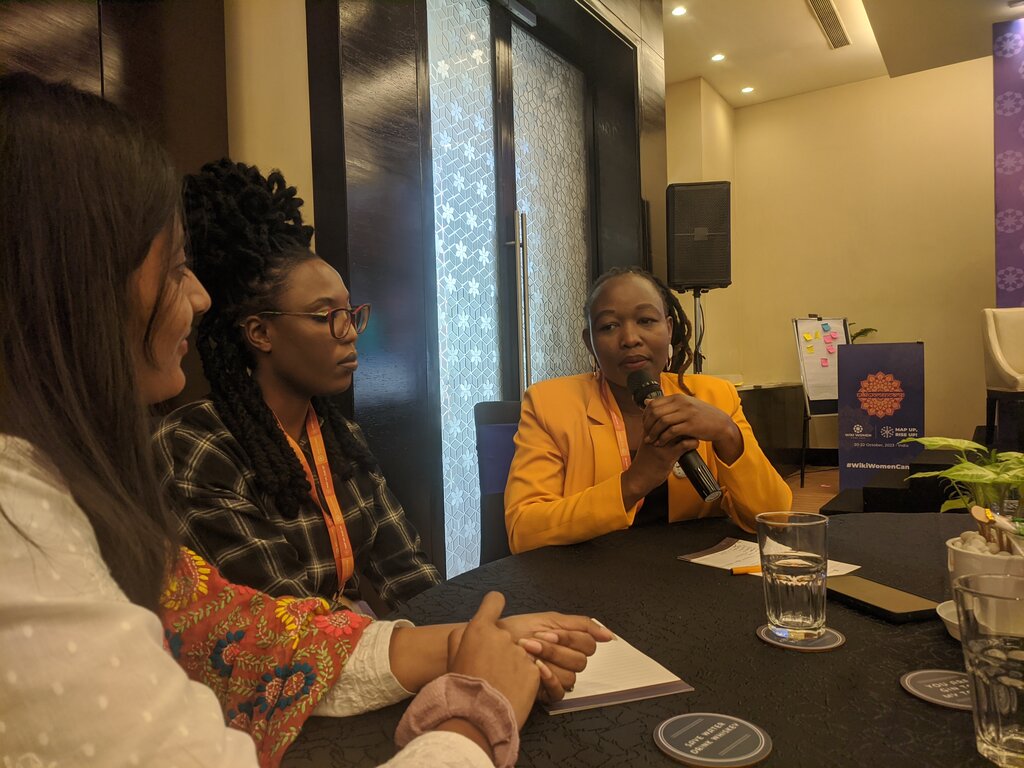
Hearing a different perspective challenges us to think more critically about our own beliefs. It forces us to find better evidence and strengthen our reasoning. Sometimes, we might even realize our own view is incomplete. This process isn't about giving up your convictions; it's about making sure they're built on solid ground.
On a larger scale, these conversations are essential. They allow communities to solve complex problems, businesses to innovate, and societies to function. When people with different ideas can talk productively, they can create solutions that no single group could have imagined on its own.
The Ground Rules for Good Dialogue
Constructive conversations rely on a shared commitment to civil discourse. This isn't just about being polite; it's about following a few key principles that make productive dialogue possible.
| Principle | Why It Matters |
|---|---|
| Listen to Understand | Don't just wait for your turn to talk. Truly hear what the other person is saying and why. |
| Assume Good Intent | Believe that the other person is arguing in good faith, not trying to be malicious. This avoids defensiveness. |
| Focus on Ideas, Not People | Criticize the argument, not the person making it. Avoid personal attacks or insults. |
| Acknowledge Common Ground | Find points of agreement, even small ones. This builds a foundation of mutual respect. |
Following these principles creates an environment where people feel safe to share their real thoughts without fear of judgment. This safety is the key ingredient for genuine understanding.
The goal should not be proving that you're right and someone else is wrong... it should be deconstructing oppressive systems, changing the way people think, and bettering yourself and the people that you know through healthy dialogue.
Ultimately, the greatest benefit of these conversations is mutual understanding. When you understand why someone holds a belief, even if you think the belief is wrong, you can see them as a complete person. This reduces hostility and opens the door for future collaboration. It replaces a battlefield with a bridge.