Bridging Art and Engineering
Elements and Principles of Art
The Building Blocks of Art
Every piece of art, from a simple sketch to a complex sculpture, is built from the same fundamental components. These are the elements of art. Think of them as the ingredients in a recipe. By understanding and using them, you can create anything you can imagine.
Line
noun
A mark made on a surface, connecting two points. Lines can be thick or thin, straight or curved, smooth or jagged. They define the edges of shapes and can be used to create a sense of direction or movement.
Lines are everywhere in art. They can outline a figure, create patterns, or guide your eye through a composition. A soft, curving line might suggest calmness, while a sharp, diagonal line can feel energetic and dynamic.
When a line encloses an area, it creates a shape.
Shape
noun
A two-dimensional, flat area enclosed by lines. Shapes can be geometric, like circles and squares, or organic, like the shape of a leaf or a cloud.
When we give a shape three dimensions—height, width, and depth—it becomes a form.
Form
noun
A three-dimensional object that has height, width, and depth. A square becomes a cube, and a circle becomes a sphere. Sculptors work with form directly, while painters create the illusion of form on a flat surface.
Color is often the most expressive element. It's produced when light, striking an object, is reflected back to the eye. Color has three main properties: hue (the name of the color, like red or blue), intensity (brightness), and value (lightness or darkness).
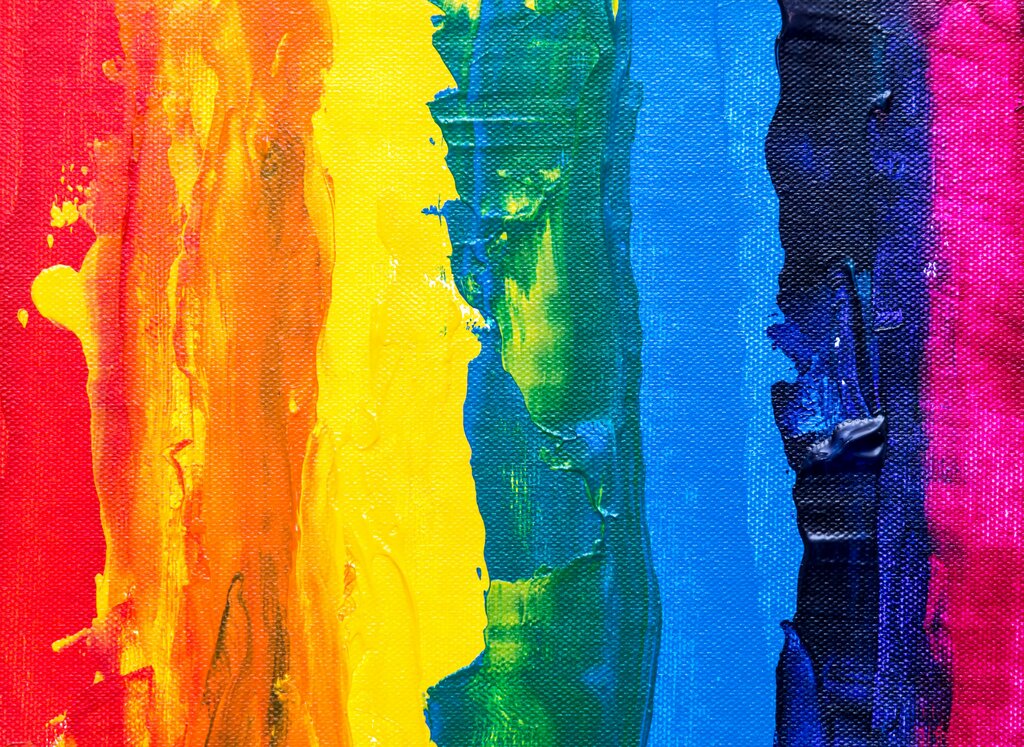
Value is crucial for creating the illusion of form. It's the lightness or darkness of a color, ranging from pure white to solid black. High contrast in value can create drama, while subtle shifts can create a sense of calm.
Value
noun
The lightness or darkness of a tone or color. It helps create depth and dimension in an artwork.
Texture refers to the surface quality of an object. It's how something feels, or how it looks like it would feel. An artist can create actual texture you can touch, like thick paint on a canvas, or implied texture that looks rough or smooth but is actually flat.
The final element is space. This refers to the area around, between, and within objects. Positive space is the area taken up by the subject, while negative space is the empty area around it. Managing both is key to a successful composition.
How the Blocks Work Together
If the elements are the ingredients, the principles of art are the recipe. They are the rules and guidelines artists use to organize the elements and create an effective composition. They help explain how an artwork is structured and why it feels the way it does.
The principles of design suggest how a designer can best arrange the various components of a page layout to connect to the overall design and to one another.
Balance is about visual weight. It's the way the elements are arranged to create a feeling of stability. Symmetrical balance is like a mirror image, where both sides of the artwork are the same. Asymmetrical balance is more complex; the two sides are different but still feel balanced because of the arrangement of shapes, colors, and values.
Contrast is the arrangement of opposite elements to create visual interest. Think of light against dark, rough against smooth, or large against small. High contrast commands attention.
Emphasis is the part of the design that catches the viewer's attention. An artist creates emphasis by making one element different from the others. This could be a bright color in an otherwise muted painting or one large shape surrounded by smaller ones.
Movement is the path the viewer's eye takes through the work of art, often to focal areas. This can be directed along lines, edges, shapes, and colors.
Pattern is simply the repeating of an object or symbol all over the work of art. Rhythm is created when one or more elements of design are used repeatedly to create a feeling of organized movement. Rhythm creates a mood like music or dancing.
Finally, unity is the feeling of harmony between all parts of the work, creating a sense of completeness. When all the elements and principles work together, the artwork feels resolved and whole.
Let's review these core concepts.
Now, test your knowledge of these artistic foundations.
If the elements of art are the ingredients, the principles of art are the ______.
An artist wants to create a feeling of drama and grab the viewer's attention by placing a very bright object against a very dark background. Which principle are they using most effectively?
Mastering these elements and principles is a lifelong process. By understanding this shared visual language, you can better analyze art and create more intentional, compelling work of your own.