Brick Masonry Fundamentals
Introduction to Brick Masonry
A Building Block of History
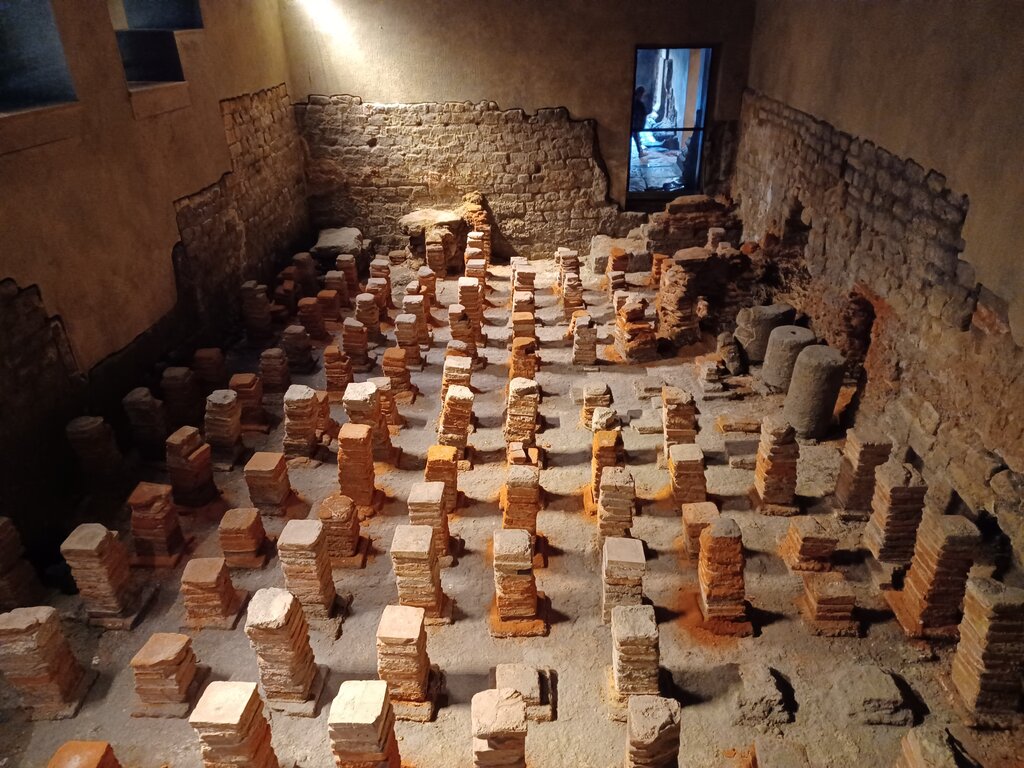
Bricks are one of the oldest known building materials, dating back thousands of years. From the ziggurats of ancient Mesopotamia to the aqueducts of the Roman Empire, fired clay blocks have been used to create durable, lasting structures. The practice of arranging these blocks with mortar is called brick masonry.
Why has it remained so popular? Brick structures are strong, fire-resistant, and can stand for centuries with minimal maintenance. This combination of longevity and simple materials makes brick masonry a fundamental skill in construction.
The Anatomy of a Brick Wall
At its core, brick masonry is surprisingly simple. It consists of just two primary components: the bricks themselves and the mortar that holds them together. Think of it like a language. Bricks are the letters, and mortar is the space and grammar that turns them into words and sentences.
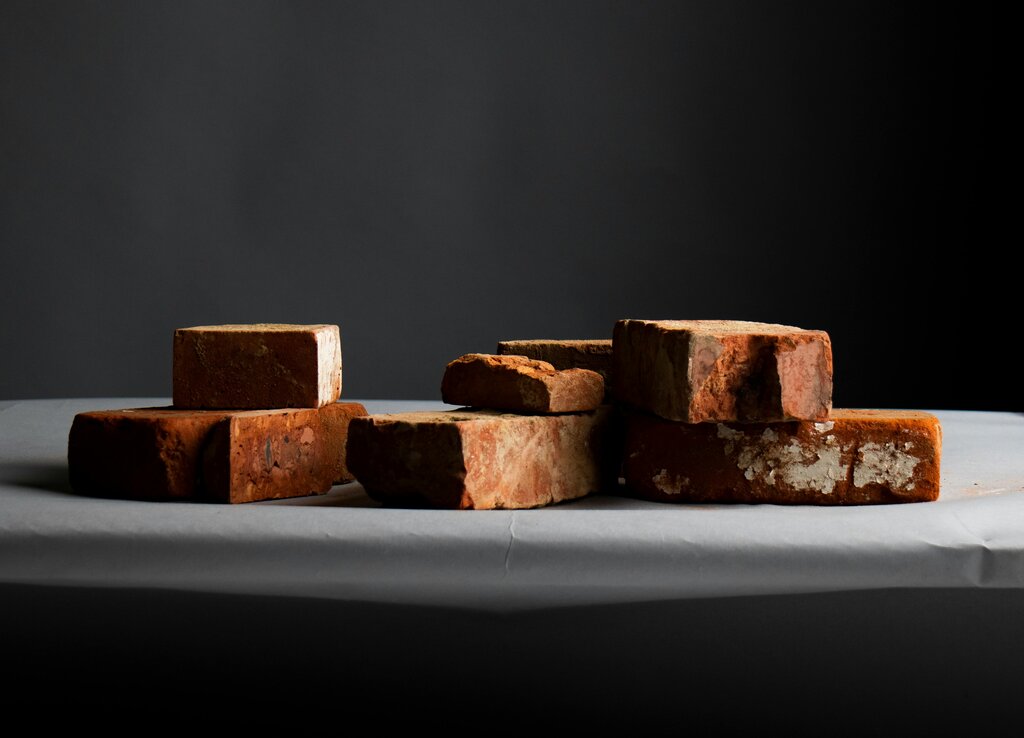
The brick, also known as a masonry unit, is the solid block. Most are made from fired clay, but they can also be made from concrete or other materials.
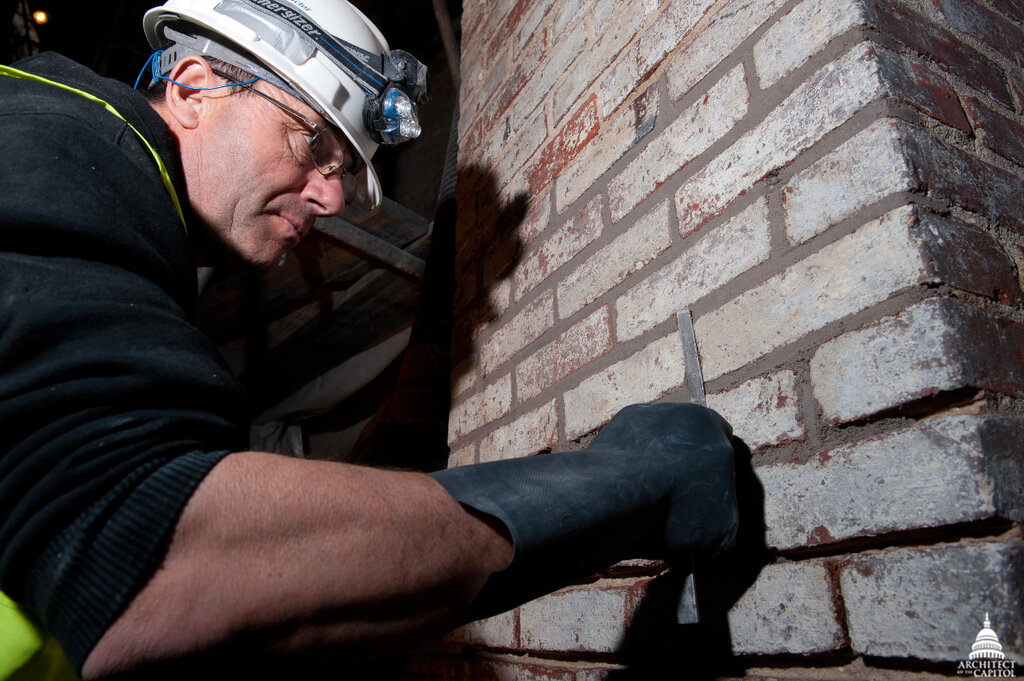
Mortar is the workable paste that binds the bricks. It's typically a mix of cement, sand, and water. When it hardens, or cures, it locks the bricks into a single, solid structure. Mortar also fills the gaps between bricks, sealing the wall against wind and rain and compensating for any small variations in brick size.
Speaking the Language
To understand masonry, you need to know the terminology. Let's cover the essentials.
Course
noun
A continuous horizontal layer of bricks in a wall.
When you look at a brick wall, each row of bricks running from one end to the other is a course. They are the fundamental horizontal lines of the structure.
The way a brick is oriented in a course defines its name and function.
Stretcher
noun
A brick laid with its longest, narrowest side exposed.
This is the most common orientation you'll see. The long face of the brick runs parallel to the face of the wall.
Header
noun
A brick laid flat with its short end exposed.
Headers are oriented perpendicular to the face of the wall. They are often used to bond multiple layers, or wythes, of brick together, adding structural integrity.
The specific pattern in which stretchers and headers are arranged is called the bond or bond pattern. Different bonds offer varying levels of strength and create distinct visual textures.
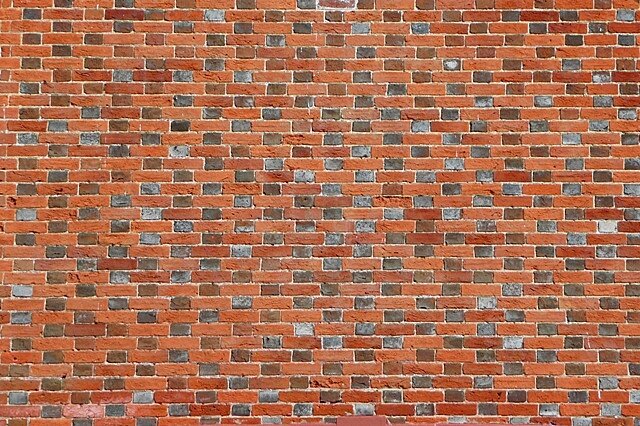
Finally, the mortar between the bricks forms the joints.
Joint
noun
The space between bricks that is filled with mortar.
Horizontal joints are called bed joints because the bricks are "bedded" in the mortar. Vertical joints are called head joints or perpend joints.
Understanding these basic elements is the first step toward mastering the craft of brick masonry. Let's review them before moving on.
Ready to check your knowledge?
What are the two primary components of brick masonry?
In a brick wall, what is a single horizontal row of bricks called?
These components and terms are the foundation of all brickwork. With this knowledge, you're ready to explore how they come together to create patterns and structures.