Breathwork for Behavior Analysts
Introduction to Conscious Breathing
The Forgotten Superpower
Breathing is the first thing we do when we're born and the last thing we do before we die. Between those two moments, we take about half a billion breaths. Most of them happen on autopilot, managed by the oldest parts of our brain without any conscious thought.
Conscious breathing is simply the act of taking back the controls. It means paying deliberate attention to your breath—the rhythm, the depth, the sensation of air entering and leaving your body. Think of it like shifting a car from automatic to manual. You're still driving, but you are now actively involved in the process, able to adjust your speed and power with intention.
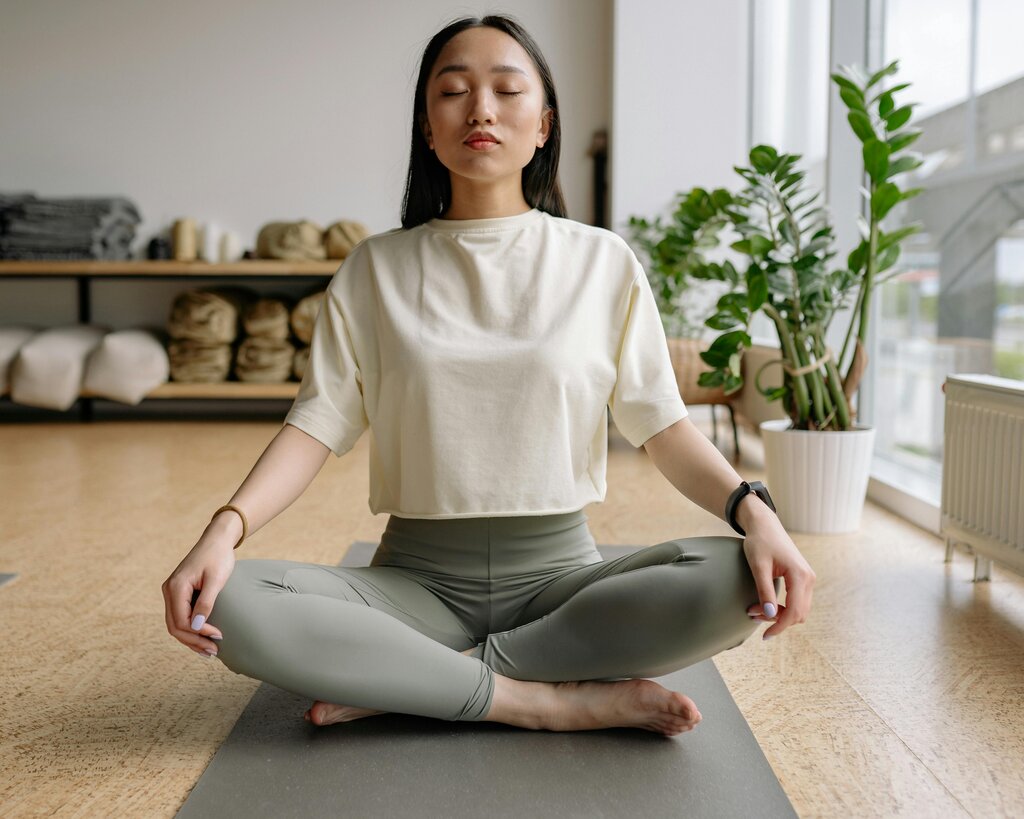
This simple shift is surprisingly powerful. Your breath is one of the few bodily functions that operates both automatically and under your conscious control. This gives it a unique role as a bridge between your conscious mind and your autonomic nervous system, the system that regulates things like your heart rate, digestion, and stress response. By changing how you breathe, you can send direct signals to your body and brain to shift your state.
Breathwork is a broad term that encompasses various breathing techniques designed to enhance oxygenation, regulate the nervous system, and promote overall well-being.
The Benefits of Awareness
When you consciously guide your breath, you can directly influence how you feel, both mentally and physically. A fast, shallow breath is your body’s natural response to stress or danger. It signals the "fight or flight" response. Conversely, a slow, deep, and steady breath signals safety and calm, activating the "rest and digest" part of your nervous system.
The benefits extend beyond immediate relaxation. Regular practice can lead to:
- Mental Clarity: Focusing on the breath quiets mental chatter, making it easier to concentrate and think clearly.
- Emotional Regulation: A few slow breaths can create a pause between a stressful trigger and your reaction, giving you space to respond more thoughtfully.
- Reduced Physical Tension: Deep breathing helps relax tense muscles, from your shoulders and neck down to your diaphragm.
- Improved Self-Awareness: Your breath can be an indicator of your internal state. Noticing that your breathing has become shallow can be the first sign that you're feeling stressed or anxious.
Breathwork pioneer Dan Brulé often says that if you can learn to control your breath, you can learn to control your life. He emphasizes that the quality of our breathing determines the quality of our lives.
Brulé's approach isn't about rigid rules. It's about exploring your own breath and discovering how different patterns affect you. It's a practice of self-discovery and empowerment, using the tool you always have with you.
Your First Steps
Getting started with conscious breathing doesn't require any special equipment or location. You can do it right now, wherever you are. Here’s a simple exercise to develop your breath awareness.
| Step | Action |
|---|---|
| 1. Find a Comfortable Position | Sit upright in a chair with your feet flat on the floor, or lie down on your back. Rest your hands gently on your lap or stomach. |
| 2. Close Your Eyes | If you feel comfortable, gently close your eyes. If not, just lower your gaze. |
| 3. Observe Your Natural Breath | Without changing anything, simply notice your breath. Feel the air moving in through your nose and out through your nose or mouth. |
| 4. Place a Hand on Your Belly | Put one hand on your belly, just below your rib cage. As you inhale, feel your belly expand like a balloon. As you exhale, feel it gently fall. |
| 5. Count Your Breaths | Silently count each exhale. Inhale... exhale (one). Inhale... exhale (two). Continue up to ten, then start over. If your mind wanders, gently guide it back to the count. |
Try this for just one or two minutes. The goal isn't to achieve a perfectly calm mind, but simply to practice bringing your attention back to your breath, over and over again. This is the foundation of building a mindful breathing habit that you can use anytime, anywhere.
What is the core principle of conscious breathing?
Slow, deep breathing sends a signal of safety to the brain, activating the _________ part of your nervous system.