Breastfeeding Essentials
Breastfeeding Benefits
A Perfect Start
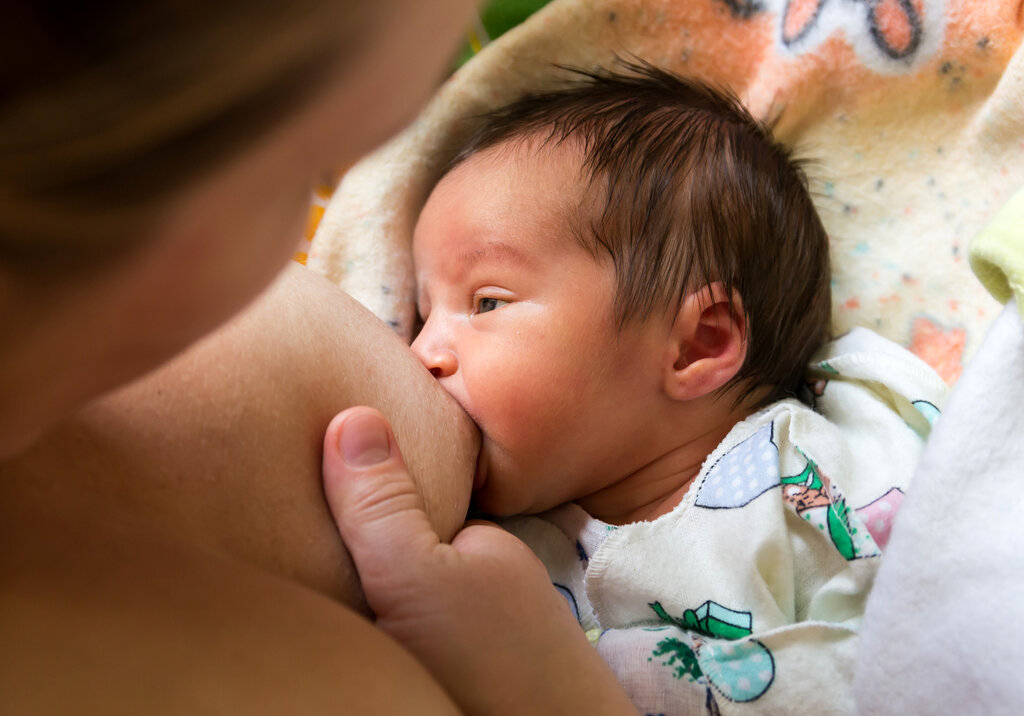
Breast milk is more than just food; it’s a complex, living substance perfectly tailored to a baby's needs. Its composition isn't static. It changes from day to day, and even within a single feeding, to provide the precise nutrients and protection a growing infant requires.
The very first milk a mother produces is called colostrum. It’s thick, yellowish, and often called “liquid gold” for good reason. Produced in small amounts, it’s packed with protein, vitamins, and, most importantly, antibodies.
Colostrum
noun
The first form of milk produced by the mammary glands of mammals immediately following delivery of the newborn.
After a few days, the colostrum transitions to mature milk, which has just the right mix of fat, sugar, water, and protein to help the baby grow physically and mentally.
A Shield for Your Baby
A baby's immune system is still developing, leaving them vulnerable to infections. Breast milk provides a powerful defensive boost. It’s filled with antibodies from the mother that help the infant fight off viruses and bacteria.
Think of it as a daily, personalized vaccine. When a mother is exposed to a germ, her body produces specific antibodies to fight it. These antibodies are then passed to her baby through her milk, offering targeted protection against the illnesses in their shared environment.
This immune-boosting power is why breastfed infants generally have lower risks of ear infections, respiratory illnesses, diarrhea, and sudden infant death syndrome (SIDS).
The benefits extend beyond infancy. Studies show that breastfeeding may reduce a child's risk of developing chronic conditions later in life, such as asthma, allergies, obesity, and type 2 diabetes.
Benefits for Mom
The act of breastfeeding triggers the release of hormones that benefit the mother's health, starting right after birth. Oxytocin, often called the “love hormone,” helps the uterus contract back to its pre-pregnancy size and reduces postpartum bleeding.
Breastfeeding can also be a unique and powerful way to bond with a newborn. The skin-to-skin contact and focused time together strengthen the emotional connection between mother and child.
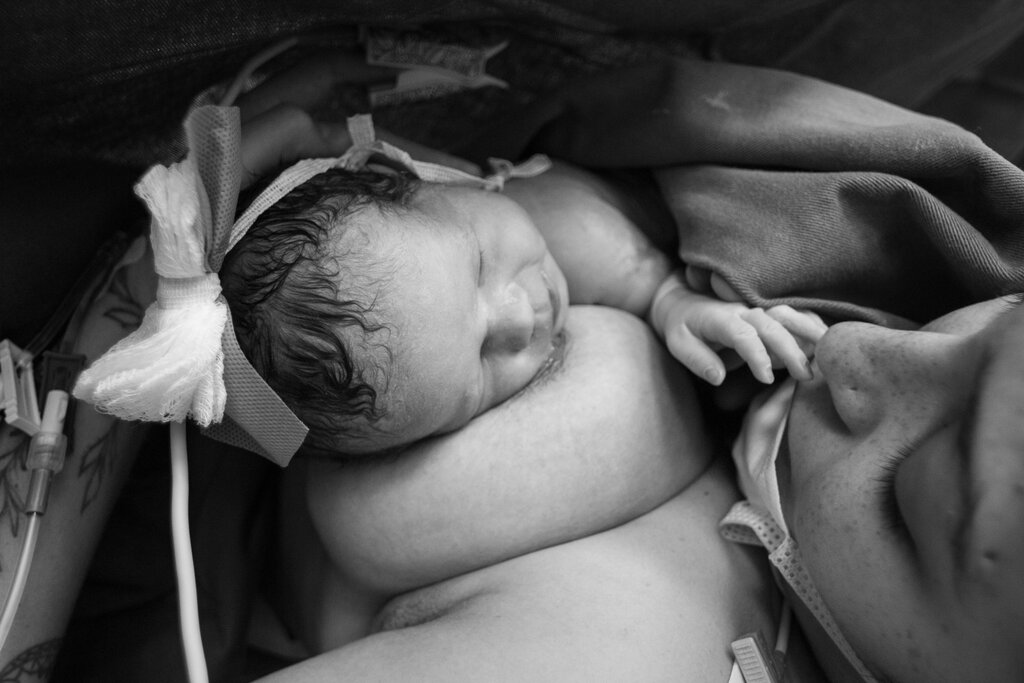
The long-term health advantages are significant. Breastfeeding lowers a mother's risk of developing breast and ovarian cancer, type 2 diabetes, and high blood pressure.
A Wider Impact
The benefits of breastfeeding reach beyond the individual mother and child. From an economic standpoint, it saves families money. The cost of infant formula, bottles, and feeding supplies can add up quickly.
Breastfeeding is ideal nutrition and sufficient to support optimal growth and development for about the first 4-6 months after birth.
Breastfeeding is also environmentally friendly. It produces no waste from packaging or manufacturing and requires no energy for preparation, making it a sustainable choice for infant feeding.
| For the Baby | For the Mother |
|---|---|
| Provides ideal nutrition | Helps uterus return to size |
| Protects against infections | Lowers cancer risk |
| Reduces risk of SIDS | Reduces risk of diabetes |
| Promotes healthy weight | Promotes bonding |
| May reduce allergy/asthma risk | Burns extra calories |
Let's review the key ideas with some flashcards.
Ready to check your understanding?
What is the primary characteristic of colostrum, the first milk produced after birth?
How does breast milk provide "targeted protection" against illnesses in a baby's immediate environment?
Breastfeeding offers a foundation of health that benefits babies, mothers, and the wider community in numerous ways.