Breastfeeding Basics
Introduction to Breastfeeding
How Your Body Makes Milk
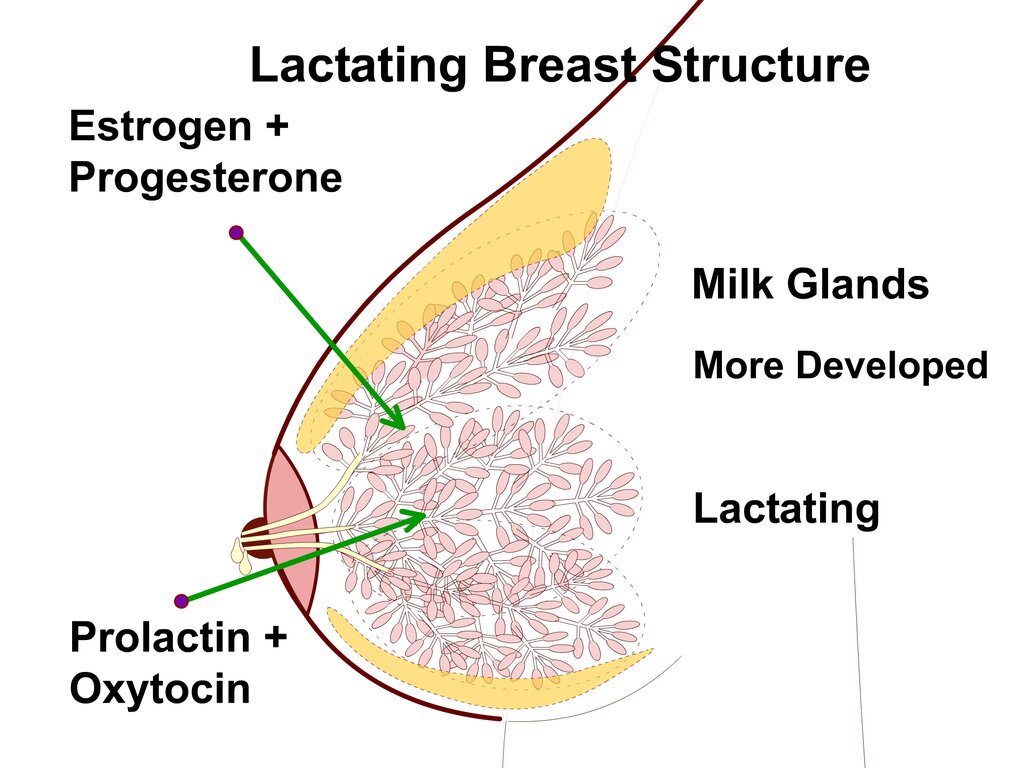
Your body starts preparing for breastfeeding long before your baby arrives. During pregnancy, hormones signal your breasts to develop the glands that will produce milk. After birth, two key hormones take over: prolactin and oxytocin.
Think of prolactin as the production manager. It tells your breasts to make milk. The more your baby nurses, the more prolactin your body releases, which is why frequent feeding is so important for establishing a good supply. Oxytocin is the delivery driver. When your baby latches on, your body releases oxytocin, which causes tiny muscles in your breasts to contract and push the milk out. This process is called the let-down reflex.
The very first milk you produce is called colostrum. It’s thick, yellowish, and packed with antibodies and nutrients. Often called “liquid gold,” it’s the perfect first food to protect your newborn against infections.
This supply-and-demand system is incredibly efficient. Your body learns exactly how much milk your baby needs based on how often and how effectively they feed.
A Perfect Meal for Baby
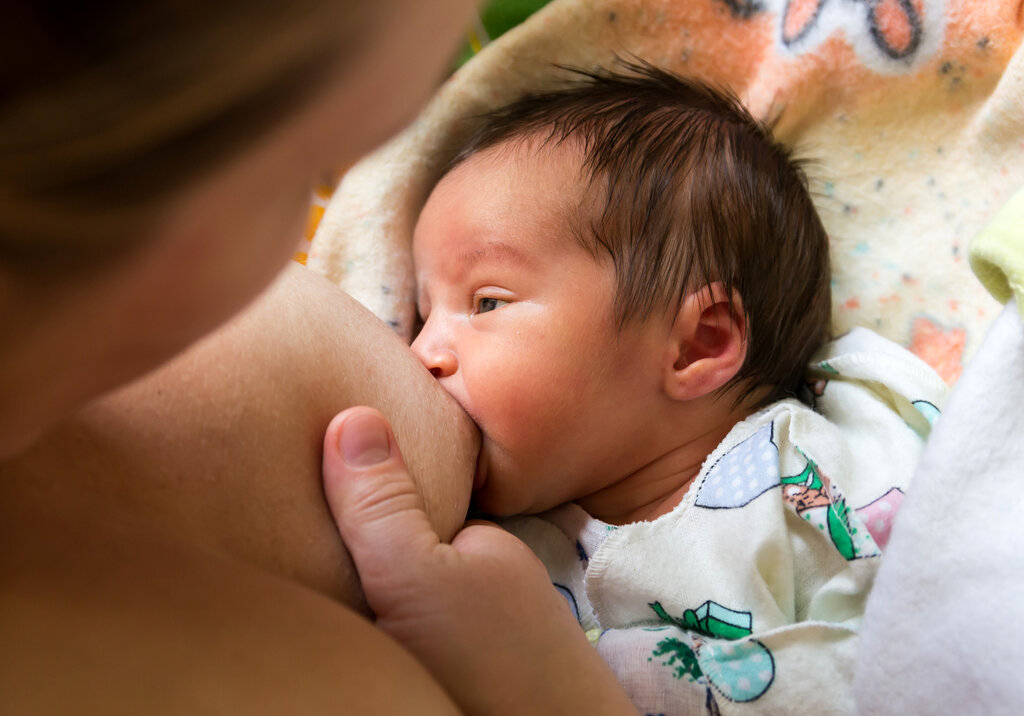
Breast milk is more than just food; it’s a living substance that changes to meet your baby's needs. It's perfectly balanced with the right amounts of fat, sugar, water, and protein for a baby's growth and development.
One of its most amazing features is the immune support it provides. Breast milk is full of antibodies that help protect your baby from illnesses like ear infections, diarrhea, and respiratory infections. It essentially gives your baby a temporary immune system boost while their own is still developing.
The composition of your milk even changes during a single feeding. The first milk, or foremilk, is thinner and quenches the baby's thirst. As the feeding continues, the milk becomes richer in fat. This hindmilk is what helps your baby feel full and gain weight.
Benefits for Mom, Too
The benefits of breastfeeding extend well beyond the baby. For mothers, it can help with postpartum recovery. The hormone oxytocin, which helps release milk, also causes the uterus to contract. This helps it return to its pre-pregnancy size more quickly and can reduce postpartum bleeding.
Breastfeeding also has long-term health advantages. Studies show that women who breastfeed have a lower risk of developing breast cancer, ovarian cancer, type 2 diabetes, and high blood pressure later in life.
Beyond the physical benefits, many mothers find that breastfeeding helps them bond with their new baby. The skin-to-skin contact and quiet moments together can be a calming and powerful experience for both of you.
Breastfeeding offers unique health benefits for both the infant and the mother, creating a foundation for lifelong wellness.
Myths and Facts
There's a lot of information out there about breastfeeding, and not all of it is accurate. Let's clear up a few common myths.
| Myth | Fact |
|---|---|
| You need large breasts to make enough milk. | Breast size is determined by fatty tissue, not milk-making glands. The ability to produce milk is not related to breast size. |
| Breastfeeding is always easy and intuitive. | It's a learned skill for both mother and baby. Many women need support and practice to get the hang of it. |
| You have to eat a perfect diet to breastfeed. | Your body prioritizes making nutritious milk. While a healthy diet is good for you, an occasional treat won't harm your milk. |
| You can't take any medication while breastfeeding. | Many medications are safe to take while breastfeeding, but it's always best to check with your doctor first. |
Understanding the basics can help you feel more confident as you begin. Let's review some of the key ideas.
Now, let's test your knowledge on what you've just learned.
Which hormone is responsible for the 'let-down reflex,' causing the muscles in the breast to contract and push milk out?
The very first milk, known as colostrum, is often called 'liquid gold' primarily because it is:
Understanding how breastfeeding works is the first step in the journey. It's a unique process that benefits both you and your baby in remarkable ways.