Breaking Into Tech Entry-Level Roles
Introduction to Entry-Level Tech Roles
Your Starting Point in Tech
Every expert was once a beginner. In the tech world, that starting point is often an entry-level role. These jobs are the bedrock of the industry, offering a direct path to hands-on experience without needing a decade of prior work. They are your ticket to learning how technology works in the real world, solving real problems for real people.
Think of these positions as the front lines. They're less about writing complex code from scratch and more about being a great problem-solver, a clear communicator, and having a genuine curiosity for how things work. It's where you build the foundational skills that will support your entire career, whether you aim to become a senior engineer, a project manager, or an IT director.
This role serves as a cornerstone in IT departments, offering hands-on experience with hardware, software, networking, and user support.
The Front Line of Support
When someone's computer freezes or they can't log in, who do they call? The first person on the scene is often a Help Desk Technician. This role is all about providing immediate assistance and getting people back on track. It's a blend of customer service and technical know-how.
| Role | Primary Responsibilities | Key Skills |
|---|---|---|
| Help Desk Technician | Answering support calls and emails, logging issues, guiding users through basic fixes like password resets or software installation. | Patience, clear communication, and a friendly attitude. |
| Technical Support Specialist | Handling more complex problems that the help desk escalates. They dive deeper to find the root cause of an issue, often specializing in a specific product or system. | Strong analytical skills, deep product knowledge, and the ability to explain technical details simply. |
Both roles are crucial for keeping a company's technology running smoothly. They are the human face of IT, ensuring that employees and customers feel supported and confident in the tools they use every day.
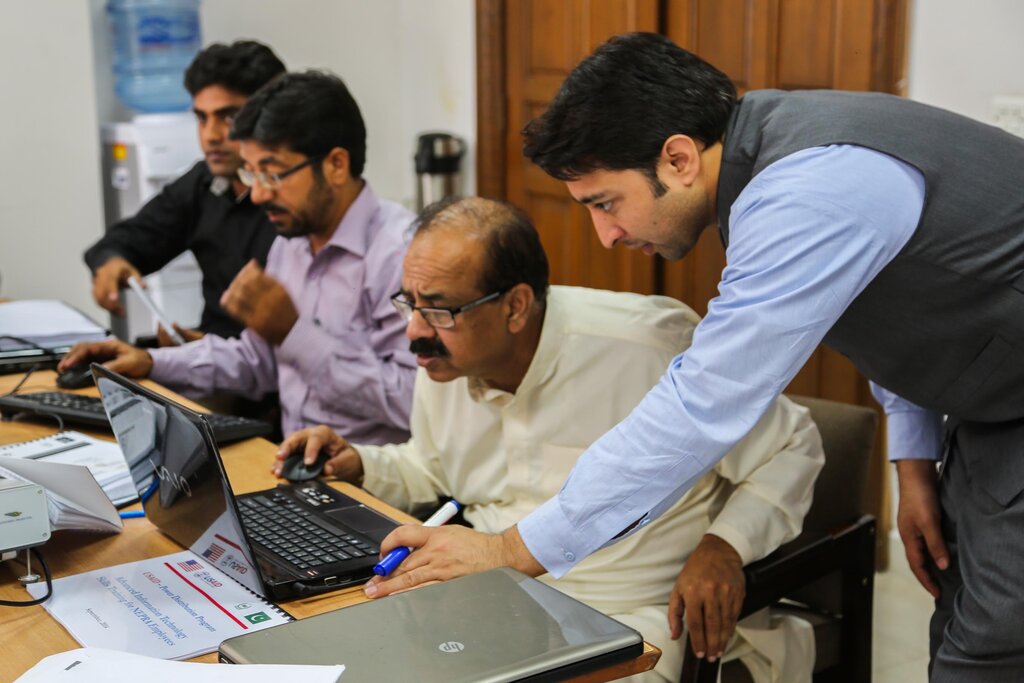
The Quality Guardian
Before a new app, website, or piece of software is released to the public, it needs to be tested thoroughly. That's the job of a Quality Assurance (QA) Tester. They are like detectives, hunting for bugs, glitches, and anything that might give users a bad experience.
The goal of a QA Tester is simple: try to break the software so that developers can fix it before it reaches the customer.
A QA Tester follows test plans, meticulously documenting any unexpected behavior. They might check if all the buttons on a webpage work, ensure that a mobile app doesn't crash on different devices, or verify that data is saved correctly. It's a role that requires a sharp eye for detail and a methodical approach.
Primary Responsibilities:
- Executing test cases to find software defects.
- Reporting bugs to developers with clear, detailed descriptions.
- Verifying that bugs have been fixed.
Required Skills:
- Attention to detail.
- Patience and persistence.
- Clear written communication skills for documenting bugs.

These entry-level roles are more than just jobs; they are apprenticeships for a career in technology. They provide the practical skills and understanding that can't be learned from a textbook. Now, let's check your understanding of these foundational positions.
According to the text, what is the primary function of entry-level tech roles?
An employee's computer freezes and they are unable to log in to a critical application. Who is the most appropriate first point of contact for this issue?
By starting in one of these roles, you gain a vital, ground-level perspective on how technology impacts businesses and users, setting you up for future success.