Breaking Into Microfinance
Introduction to Microfinance
What is Microfinance?
Microfinance provides small-scale financial services to people who can't access traditional banks. This includes small loans, savings accounts, and insurance for low-income individuals, families, and small business owners.
Microfinance
noun
The provision of financial services to low-income individuals or groups who traditionally lack access to banking and related services.
The main goal is financial inclusion. It's about giving everyone a chance to manage their money, start a business, or handle an emergency without falling into a debt trap with predatory lenders. It’s not charity; it’s a sustainable way to help people build their own financial stability.
A Quick History
The idea of small-scale lending isn't new. Informal community savings clubs and rotating credit associations have existed for centuries. However, modern microfinance gained global attention in the 1970s.
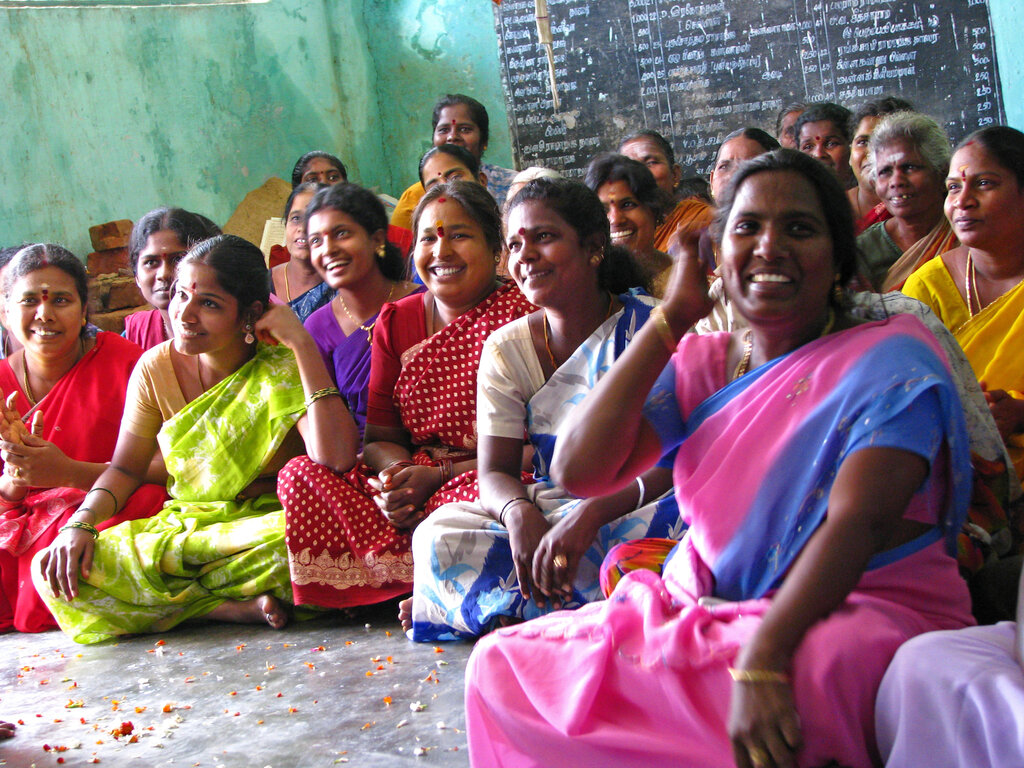
A key figure was Muhammad Yunus, an economics professor in Bangladesh. He saw that traditional banks weren't serving the poor, so he started a research project that led to the creation of Grameen Bank in 1983. This institution pioneered the concept of giving small loans, or "microloans," to groups of women without requiring collateral. The success of this model inspired the creation of thousands of Microfinance Institutions (MFIs) worldwide.
More Than Just Loans
While microloans are the most well-known product, MFIs offer a range of services designed to meet the specific needs of their clients. This suite of tools helps people save for the future, protect against risks, and manage their daily finances more effectively.
| Service | Purpose |
|---|---|
| Microloans | Small loans to start or expand a business, often without collateral. |
| Microsavings | Secure savings accounts for very small, regular deposits. |
| Microinsurance | Low-cost insurance to protect against risks like illness, crop failure, or death. |
| Remittances | Services to safely and affordably send or receive money from family members. |
These services provide a crucial safety net. A savings account can help a family prepare for a child's education, and a simple insurance policy can prevent a medical emergency from becoming a financial catastrophe.
The Bigger Picture
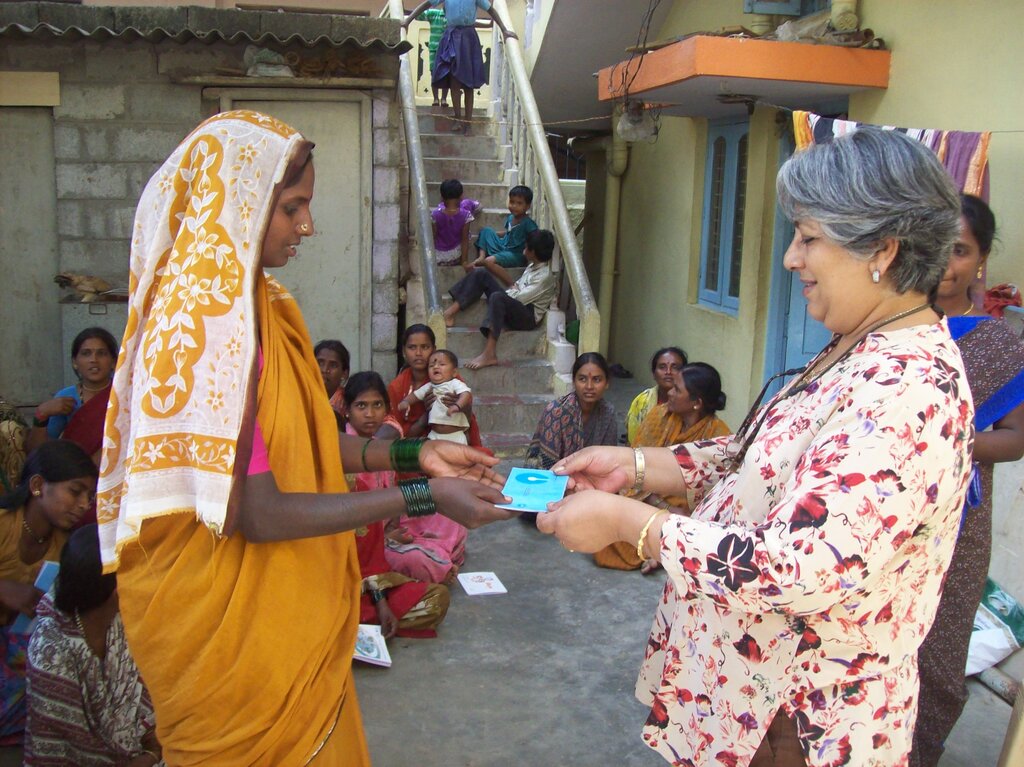
The impact of microfinance goes beyond individual bank accounts. When people have access to financial tools, they can invest in their businesses, improve their homes, and afford better nutrition and education for their children. This creates a ripple effect, stimulating local economies and fostering community development.
Empowerment is a key outcome, especially for women, who make up a large percentage of microfinance clients. Financial independence can give women a greater voice in their households and communities, leading to broader social change. By providing the tools for self-sufficiency, microfinance helps break cycles of poverty from the ground up.
Access to financial services allows people to move from daily survival to planning for the future.
Now, let's review the key concepts we've covered.
Ready to test your knowledge?
What is the primary goal of microfinance?
Who is a key figure associated with the modern microfinance movement and the founding of Grameen Bank?
By providing foundational financial tools, microfinance offers a pathway to greater economic stability and opportunity for millions around the world.