Breaking Bad Habits
Understanding Habits
What is a Habit?
Habits are the small decisions you make and actions you perform every day. They're the automated behaviors that run in the background while your conscious mind focuses on other things. Think about your morning. Do you consciously decide to brush your teeth, or does it just happen? What about checking your phone or making coffee? These are habits.
Habits are the behaviors that we do regularly, daily, maybe weekly, without fail.
These actions feel automatic because your brain has learned to perform them without active thought. This is a survival mechanism. Our brains are constantly looking for ways to save effort. When an action is repeated in a stable context, the brain creates a mental shortcut for it. This frees up mental energy for new challenges and complex problems.
The Habit Loop
So how does the brain build these shortcuts? It follows a simple three-step neurological pattern that scientists call the habit loop. Understanding this loop is the key to understanding how habits work.
Let's break down each part:
- Cue: This is the trigger. It’s a bit of information that predicts a reward. It could be a time of day, a location, an emotional state, or the presence of certain people. Your phone buzzing is a cue. The smell of popcorn at a movie theater is a cue.
- Routine: This is the habit itself—the action you take. It can be physical (grabbing a cookie), cognitive (worrying about a deadline), or emotional (feeling a wave of anxiety). After your phone buzzes (the cue), you pick it up and check notifications (the routine).
- Reward: This is the prize. The reward satisfies the craving that the cue created. It could be the pleasure of eating something sweet, the distraction from scrolling social media, or a feeling of relief. The reward tells your brain, "Hey, this sequence of actions is useful. Let's remember it for next time."
Over time, this loop becomes more and more automatic. The cue and reward become neurologically intertwined until a powerful sense of anticipation and craving emerges.
How Habits Shape Your Life
Because habits operate on autopilot, we often don't recognize the enormous influence they have. Your daily habits are the building blocks of your life. What you repeatedly do determines the person you become, the things you achieve, and the health you enjoy.
Good habits can create a positive upward spiral. Exercising regularly (a habit) improves your health and energy levels, which can boost your productivity at work and your mood at home. On the flip side, detrimental habits can create a downward spiral. Mindlessly snacking on junk food (a habit) can lead to weight gain and low energy, affecting your confidence and overall well-being.
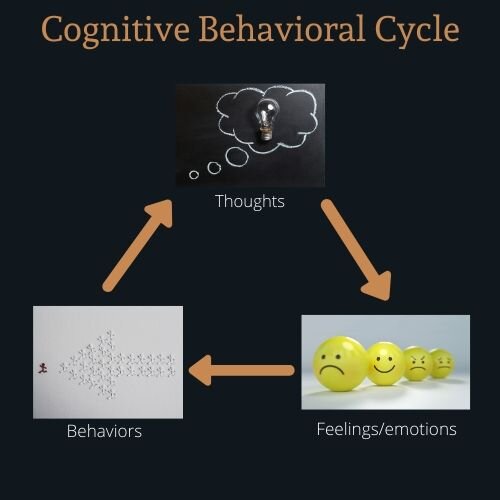
The key insight is that small, seemingly insignificant habits compound over time. A single workout won't transform your body, but a habit of exercising three times a week will. Reading one page won't make you a genius, but a habit of reading every night will make you more knowledgeable. The impact of our habits isn't always obvious in the moment, but their long-term effect is profound.
Ready to check your understanding of how habits work?
What is the primary reason the brain automates behaviors into habits?
The correct sequence of the three-step neurological pattern known as the habit loop is:
Understanding this foundation is the first step. By recognizing the loops that drive your behavior, you can begin to see how and why you do what you do.