Brazilian Portuguese for Beginners
Pronunciation and Alphabet
The Alphabet and Its Sounds
The Brazilian Portuguese alphabet is almost identical to the English one, which gives you a great head start. It uses the same 26 letters. The main difference isn't the letters themselves, but how they sound.
The first step in learning Brazilian Portuguese is getting familiar with its pronunciation.
Let's look at the letters and their Portuguese names. Knowing the names helps when you need to spell something out.
| Letter | Name in Portuguese |
|---|---|
| A | á |
| B | bê |
| C | cê |
| D | dê |
| E | é |
| F | éfe |
| G | gê |
| H | agá |
| I | i |
| J | jota |
| K | cá |
| L | éle |
| M | éme |
| N | éne |
| O | ó |
| P | pê |
| Q | quê |
| R | érre |
| S | ésse |
| T | tê |
| U | u |
| V | vê |
| W | dábliu |
| X | xis |
| Y | ípsilon |
| Z | zê |
The letters K, W, and Y were officially added to the alphabet in 2009. You'll mostly see them in names (Wagner, Yasmin) and words borrowed from other languages (like marketing).
Unique Portuguese Sounds
While most letters sound familiar, a few have special pronunciations that are key to sounding authentic. Let's focus on the most important ones: nasal vowels and the letter 'ç'.
Nasal Vowels
This is the most characteristic sound of Brazilian Portuguese. A nasal vowel is produced when air flows through both your mouth and your nose. Think of it as a vowel with a slight hum. The tilde symbol (~) over a vowel, like in 'ã' or 'õ', always signals a nasal sound. A vowel followed by 'm' or 'n' often becomes nasal, too.
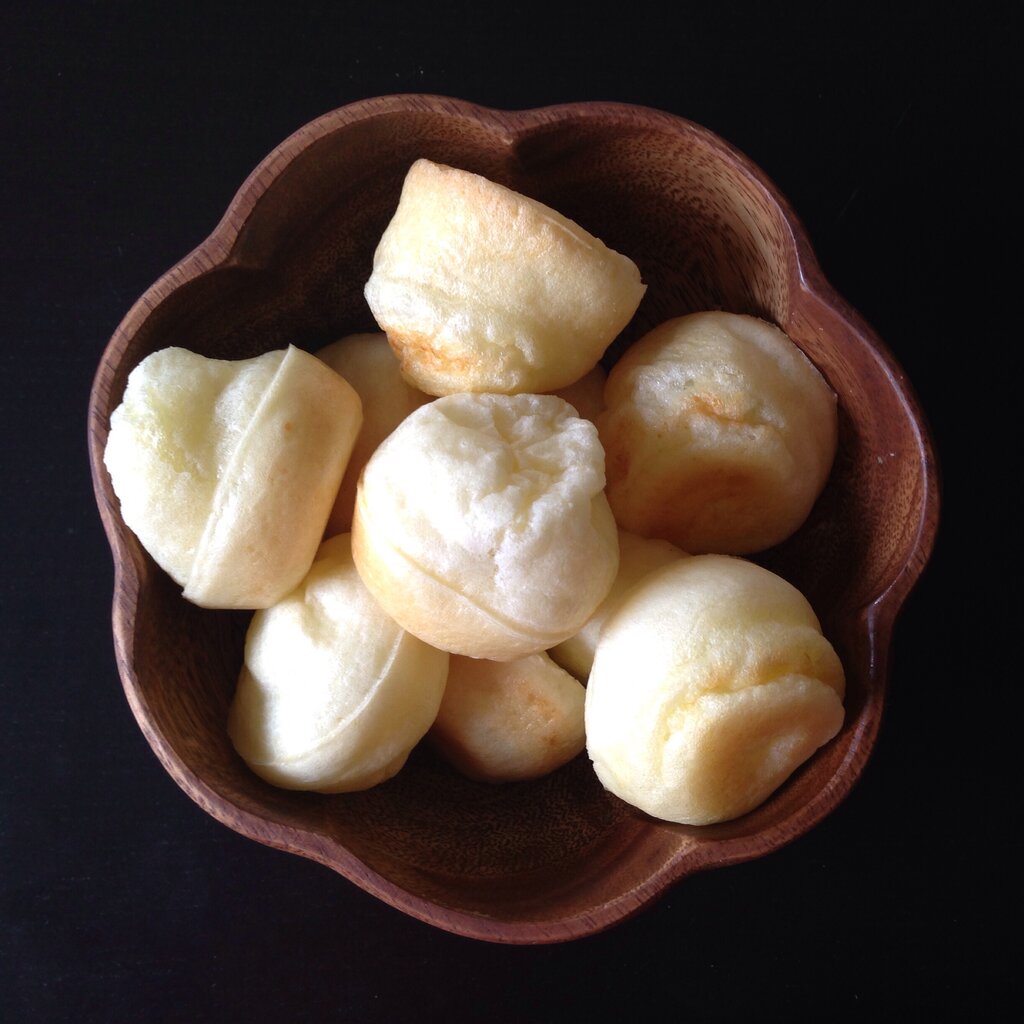
bread
The 'ão' sound is very common. It's found in words like não (no), mão (hand), and coração (heart).
The Letter Ç (Cedilla)
This letter, called a cedilha in Portuguese, is a 'c' with a little tail. It's simple to pronounce: it always makes a soft 's' sound, like in the English word 'snake'. You'll only ever find 'ç' before the vowels a, o, or u. You'll never see it at the beginning of a word.
sugar
Another common example is almoço (lunch).
Consistent Patterns
One of the best things about Portuguese pronunciation is its consistency. Once you learn the rules for each letter and combination, you can pronounce most words you see. Unlike English, there are very few exceptions.
Here are a few more reliable patterns to know:
- CH sounds like 'sh' in 'shoe'. Example: chave (key).
- NH sounds like 'ny' in 'canyon'. Example: dinheiro (money).
- LH sounds like 'lli' in 'million'. Example: mulher (woman).
- S between two vowels sounds like a 'z'. Example: casa (house).
- R at the start of a word is pronounced like an 'h' in English. Example: Rio.
Learning these phonetic patterns is the foundation for reading and speaking. As you practice, your ears will get used to the rhythm and sounds of the language, which will also improve your listening skills.
Ready to test your knowledge? Let's see what you've learned about the sounds of Brazilian Portuguese.
How many letters are in the official Brazilian Portuguese alphabet?
Which of these words contains a nasal vowel sound indicated by a tilde (~)?