Brazilian Jiu-Jitsu Fundamentals
Introduction to BJJ
The Gentle Art
Brazilian Jiu-Jitsu, or BJJ, is a martial art that focuses on ground fighting. Unlike arts that emphasize striking, BJJ is all about grappling. The goal is to control an opponent on the ground and use joint locks or chokeholds to make them submit, or "tap out."
It’s often called “the gentle art” because it allows a smaller, weaker person to defend against a larger, stronger attacker. This isn't achieved through brute force, but through cleverness and the application of physics. It's about using your opponent's weight and momentum against them.
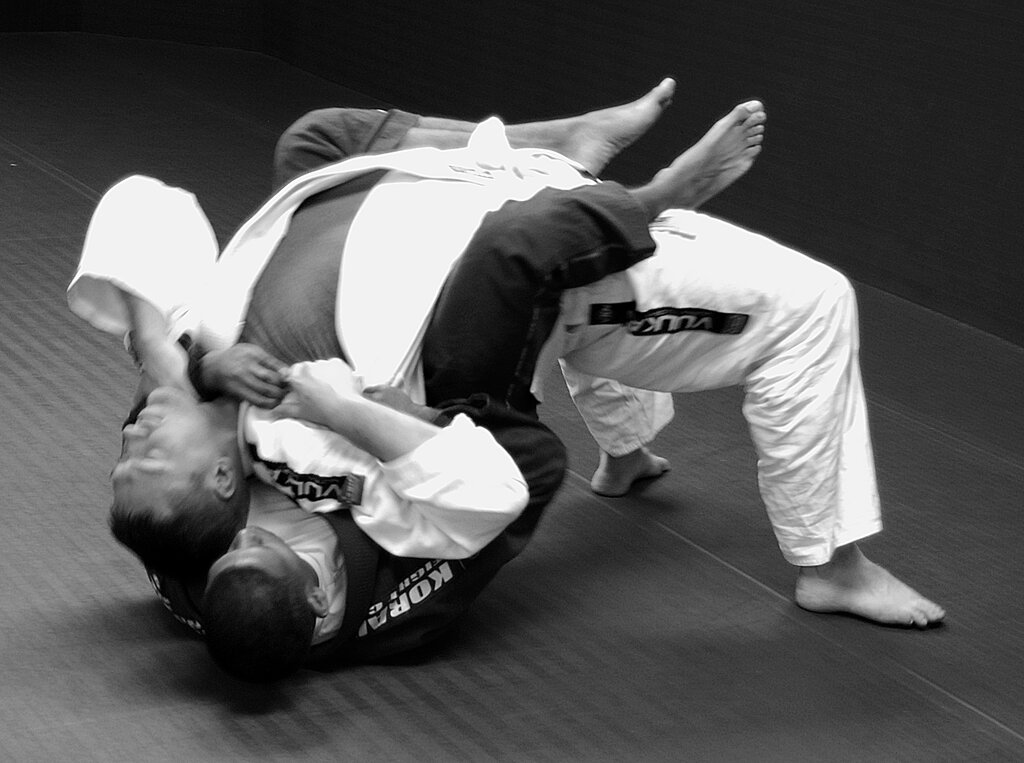
The art is a problem-solving system where the body is the tool. Every position presents a unique puzzle, and the solution always lies in technique, not power. This focus on intellect over raw strength is what makes BJJ so accessible and effective.
From Japan to Brazil
BJJ’s story begins in the early 20th century. A Japanese judo master named Mitsuyo Maeda traveled to Brazil and taught his art to the sons of a politician named Gastão Gracie. While all the Gracie brothers learned, it was the youngest and frailest, Hélio Gracie, who would truly transform the art.
Too small to perform many of the traditional judo moves effectively, Hélio began modifying the techniques. He refined them to rely almost entirely on leverage, timing, and natural body movements. He created a system that didn't depend on athletic ability, allowing him to defeat much larger opponents. This adapted style became Gracie Jiu-Jitsu, the foundation of modern BJJ.
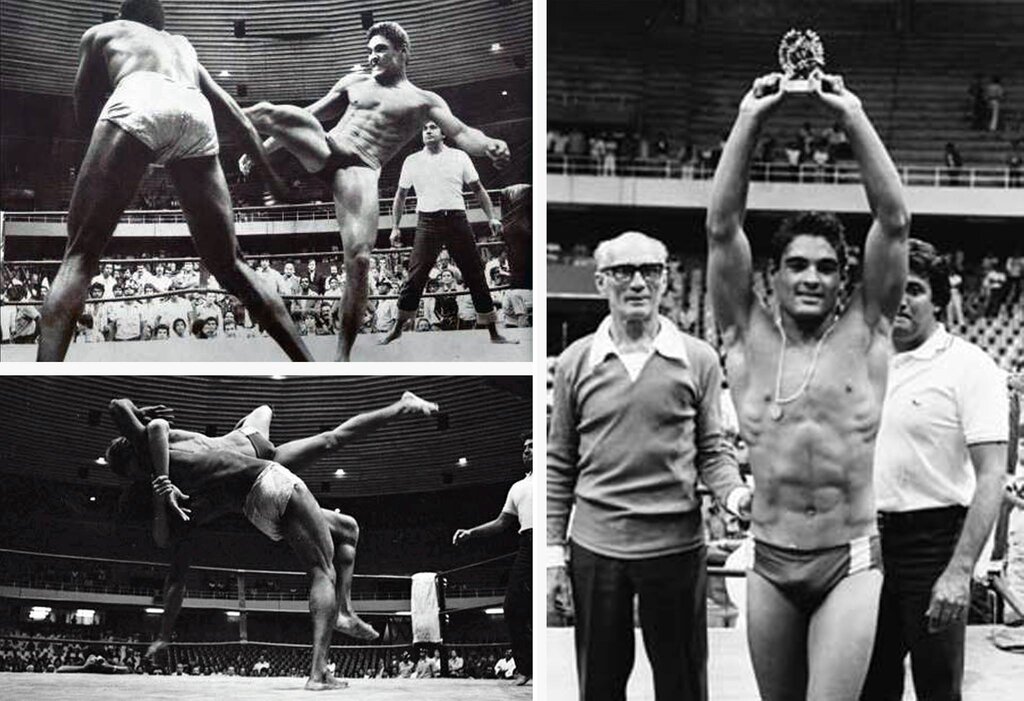
The Gracie family was so confident in their system that they issued the
The core philosophy was born from necessity: survival against a bigger threat.
The family's goal was to prove that their style of jiu-jitsu was the most effective martial art for realistic self-defense.
Leverage Over Strength
Imagine trying to lift a massive boulder with your bare hands. It's impossible. But with a long lever and a fulcrum, you can move it easily. That's the central principle of BJJ.
Instead of meeting force with force, a BJJ practitioner uses their body as a system of levers and wedges to control an opponent’s limbs and body weight. It's about creating angles and using proper body mechanics to amplify your own strength and neutralize your opponent’s.
One of the core principles of Brazilian Jiu-Jitsu (BJJ) is the concept of leverage over strength.
This principle is what makes BJJ a true equalizer. Size and strength become less important when you understand how to manipulate joints and apply pressure to strategic points. It becomes a game of physical chess, where strategy and technique triumph over raw power.
Ground Fighting and Submissions
Most real-world fights, whether in sport or self-defense, end up on the ground. BJJ operates on the assumption that this is where the fight will go, and it provides a complete system for dominating in that environment.
Practitioners learn to control an opponent from various ground positions. Once control is established, the goal is to apply a submission hold. These are techniques that hyper-extend a joint (like an armbar) or restrict blood flow to the brain (like a choke), forcing the opponent to give up.
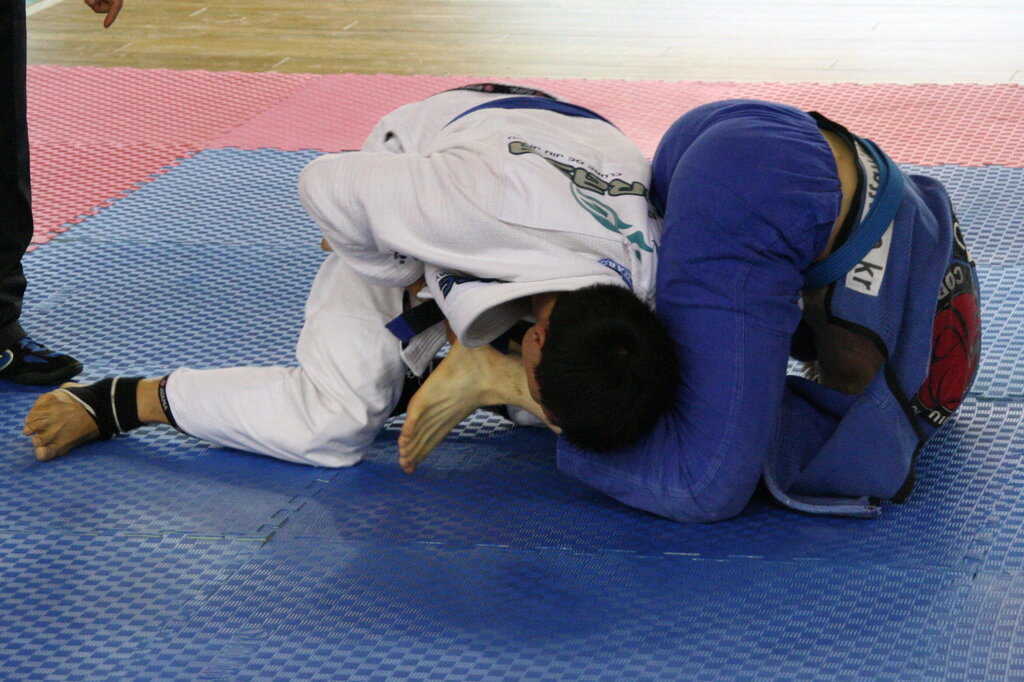
The idea isn't to injure the opponent, but to achieve a position of such complete control that they have no choice but to surrender. This emphasis on control and submission, rather than striking, is what defines BJJ as a grappling art.
What is the primary focus of Brazilian Jiu-Jitsu?
BJJ is often called "the gentle art" because its effectiveness relies on technique and leverage rather than brute force.
By understanding these core concepts—the history of adaptation, the power of leverage, and the focus on ground control—you have the foundation for exploring this fascinating martial art.