Brass Utensil Manufacturing and Industry Management
Introduction to Brass
The Golden Alloy
Brass is a metal you've likely seen many times, from musical instruments to shiny bathroom fixtures. But it's not a pure element like gold or iron. Instead, brass is an alloy, which means it's a metal made by combining two or more metallic elements.
Alloy
noun
A metal made by combining two or more metallic elements, especially to give greater strength or resistance to corrosion.
The main ingredients of brass are copper and zinc. By changing the ratio of copper to zinc, metallurgists can create different types of brass with slightly different properties. Generally, it contains about 67% copper and 33% zinc, but this can vary. This ability to tweak the recipe is what makes brass so versatile.
Why Brass?
Brass has several key properties that make it useful for many applications, especially for making utensils and other household items.
First, it's highly malleable. This means it can be hammered, pressed, or rolled into thin sheets or intricate shapes without breaking. This quality is essential for crafting everything from a simple bowl to the complex tubing of a French horn.
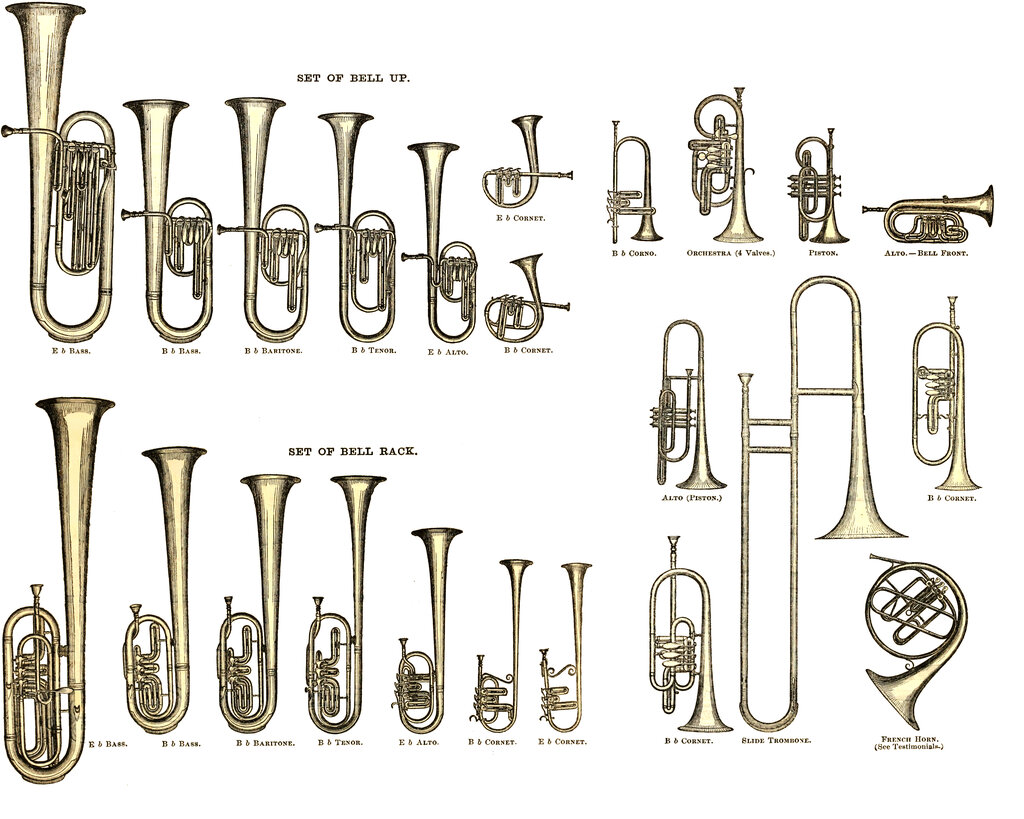
Brass is also known for its durability and corrosion resistance. Unlike iron, it doesn't rust. This is why it has long been a favorite material for plumbing fixtures, pipes, and shell casings for ammunition, all of which need to withstand moisture and wear over time.
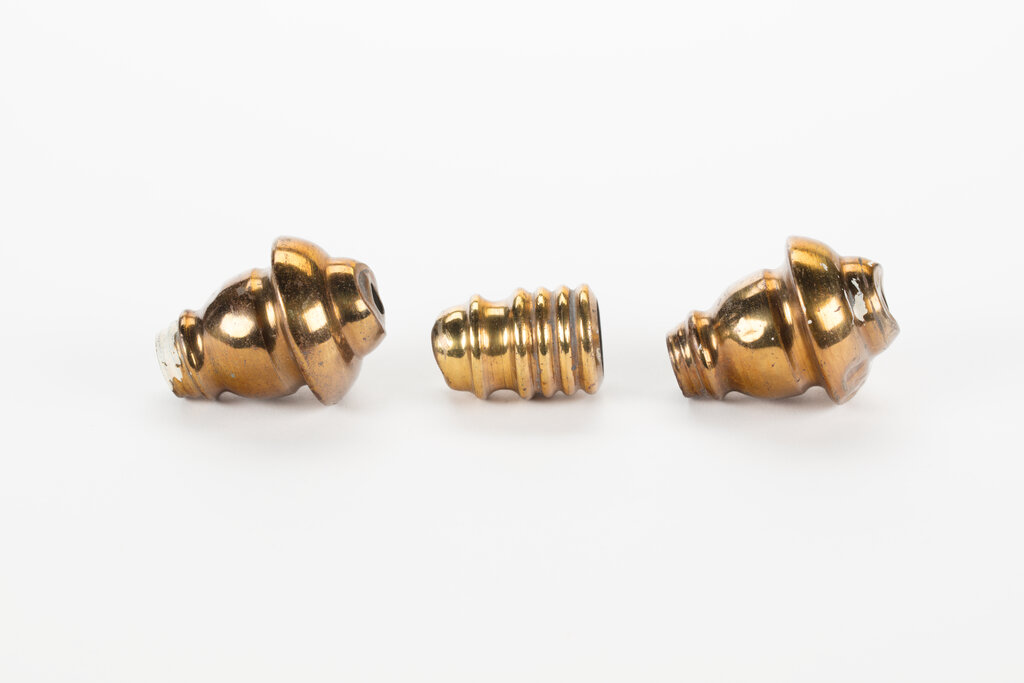
Finally, brass has a bright, gold-like appearance that makes it aesthetically pleasing. This has made it a popular choice for decorative items, from drawer knobs and light fixtures to elegant serving spoons and goblets. Its warm color adds a classic touch to many designs.
From Ancient Times to Today
Humans have been using copper alloys for thousands of years. While bronze (an alloy of copper and tin) defines an entire age of human history, brass also has a long and storied past. The Romans used it for coins, armor, and vessels.
For centuries, brass was a go-to material for everyday utensils. Before the widespread availability of stainless steel and plastics, kitchens were often filled with brass pots, pans, ladles, and plates. It was prized because it was strong, easy to clean, and less reactive with food than other metals available at the time.
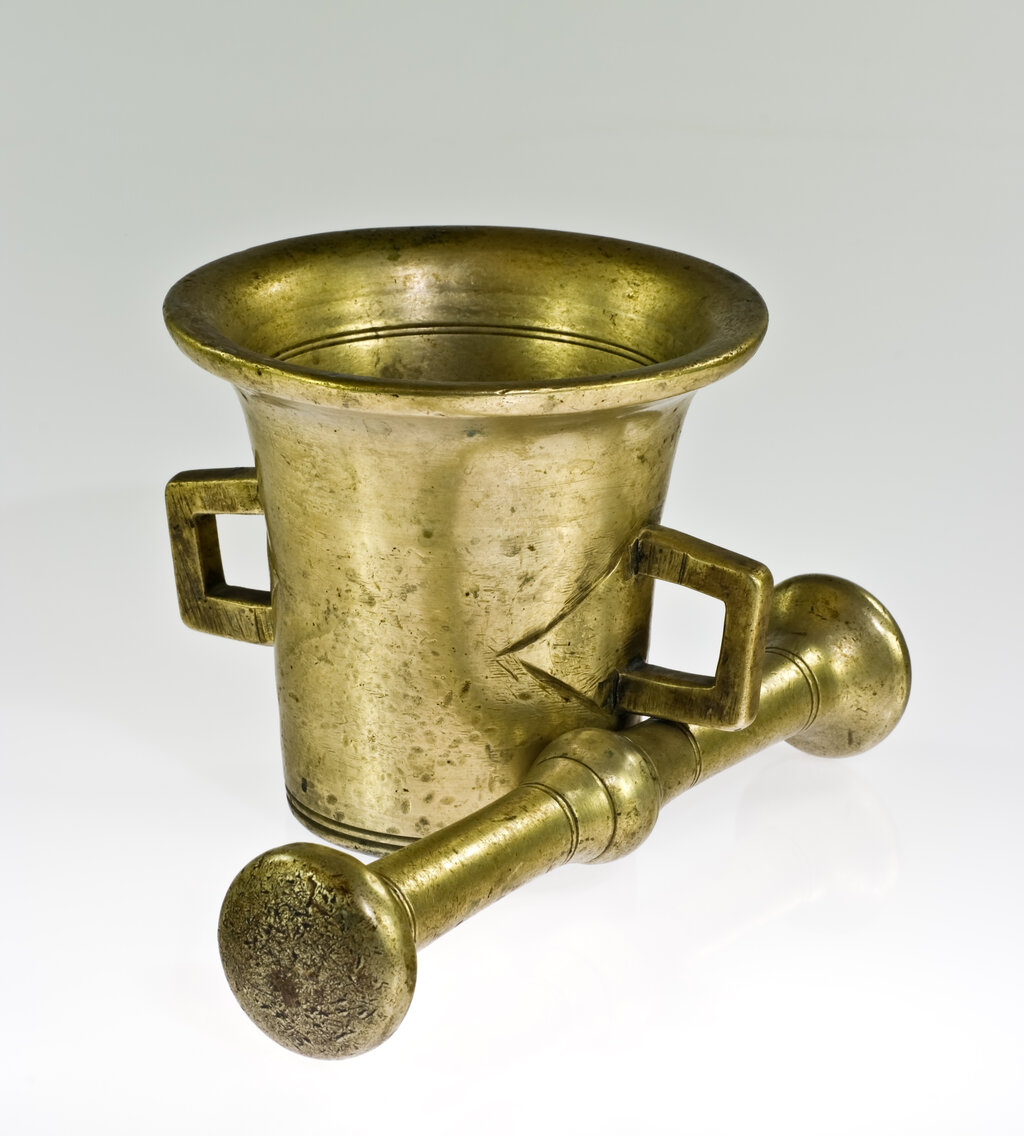
Even today, brass continues to hold its place. While stainless steel dominates the modern kitchen, you can still find high-end brass cookware and serving utensils valued for their beauty and excellent heat conductivity. Brass is also commonly used in traditional Indian cookware, such as the urli (a wide, shallow cooking pot), where it's appreciated for both its functional and cultural significance.
Brass utensils are not just relics of the past; they are still used in specialty cookware and for cultural traditions around the world.
Now that you know what brass is and why it's been so important for making utensils and other objects, let's test your knowledge.
What are the two primary metallic elements that make up brass?
Which property of brass allows it to be hammered into intricate shapes like the tubing of a French horn?
Understanding the fundamental properties of brass helps explain why it has been a valuable material throughout human history and remains relevant today.