Brand Collaborations for Cartoon Characters
Understanding Brand Collaborations
Brands and Creators Team Up
When a brand and a creator work together, it's called a brand collaboration. In animation, this could mean your original character appearing in a brand's advertisement, or a company sponsoring your animated series. It's a partnership where both sides have something to gain.
For brands, collaborating with an animator or a character is a way to connect with an audience in a fresh, creative way. A beloved character can make a brand feel more human and approachable. It can also help them reach new customers who are fans of your work.
For creators, these partnerships provide funding and exposure. A brand deal can finance your next project and introduce your characters to a massive audience you couldn't reach on your own. It's a powerful way to grow your personal brand and build a sustainable career.
Creators bring authenticity, relatability and niche expertise — the ingredients brands need to build real connections in a crowded digital marketplace.
Types of Partnerships
Brand collaborations aren't one-size-fits-all. They come in several common forms, each with different goals and levels of involvement. Understanding these types will help you figure out what kind of partnership makes sense for your characters.
Sponsorship
noun
A brand pays to be associated with your content. Their name or logo might appear at the beginning of your animation, or they might get a shout-out.
Sponsorship is often the simplest form of collaboration. Think of a popular animated YouTube series that starts with, "This episode is brought to you by..." The brand provides financial support, and in return, they get visibility with your audience. The creative control mostly stays with you, as the brand's involvement is usually limited to the endorsement itself.
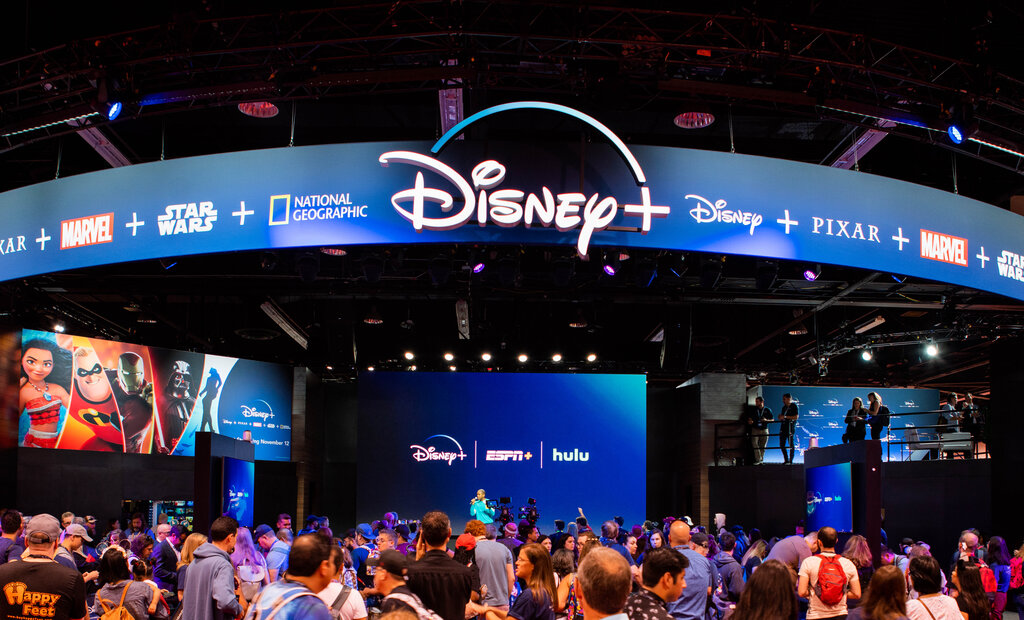
Another common type is co-branding. This is a deeper partnership where a brand and a creator team up to make something new together. For example, your animated character could be featured on a special edition cereal box, or you might create a short animation specifically for the brand's social media channels. It's a joint effort where both names are front and center.
Then there's licensing. This is when you give a brand permission to use your character on their products for a fee or a percentage of sales, called a royalty. This is huge in animation. If you've ever seen a cartoon character on a t-shirt, backpack, or toy, that's a licensing agreement in action. You retain ownership of your character, but you're allowing others to use their likeness on approved merchandise.
| Collaboration Type | Primary Goal for Creator | Primary Goal for Brand | Example |
|---|---|---|---|
| Sponsorship | Funding for content | Brand awareness | A tech company sponsors an animated short film. |
| Co-Branding | Increased exposure | Unique marketing campaign | A character is featured on a limited-edition soda can. |
| Licensing | Revenue from royalties | Product sales | A toy company creates action figures of a cartoon cast. |
Each of these models offers a different way to work with brands. Knowing the basics is the first step toward finding the right partner and pitching your ideas effectively.
What is a primary benefit for an animation creator when they partner with a brand?
An animator allows a toy company to create and sell action figures of their popular character in exchange for a fee plus a percentage of the sales. What is this type of collaboration called?