Brand Building from Scratch
Understanding Branding
What is a Brand?
A brand is much more than a logo or a catchy name. It's the gut feeling a person has about a business, product, or service. It’s what they think of, and how they feel, when they hear your name. This feeling is shaped by every single interaction someone has with you, from your advertising and customer service to the quality of your products.
Brand
noun
The overall perception, reputation, and identity of a company or product in the mind of the consumer.
Essentially, your brand is your reputation. It’s the promise you make to your customers and the sum of all their experiences with your company. A strong brand tells people who you are, what you stand for, and why you matter.
Products are made in the factory, but brands are created in the mind.
Brand vs. Product
It's easy to confuse a brand with a product, but they are fundamentally different. A product is an item or service that a company sells. It's tangible and has specific features and functions designed to meet a customer's need.
A brand, on the other hand, is the idea and emotion that surrounds that product. It’s the story, the personality, and the values that people associate with it. You can buy a product, but you connect with a brand.
| Feature | Product | Brand |
|---|---|---|
| What it is | Something you sell | The idea people buy into |
| Tangibility | Tangible or a defined service | Intangible; an emotion or perception |
| Function | Fulfills a specific need | Creates a relationship and trust |
| Lifespan | Can become obsolete | Can endure and evolve over time |
Think about coffee. The product is the roasted beans or the brewed liquid. The brand is Starbucks, with its promise of a consistent experience, a “third place” between home and work, and a sense of community. You go to any coffee shop for the product, but you go to Starbucks for the brand.
The Power of Branding
Effective branding is crucial for business success. In a crowded marketplace, it’s what sets you apart from the competition. When two products are similar in quality and price, customers will almost always choose the brand they know and trust.
Good branding builds loyalty. It creates an emotional connection that turns one-time buyers into lifelong customers. This trust, known as brand equity, is one of a company's most valuable assets. It allows businesses to command higher prices, attract top talent, and weather economic downturns more easily.
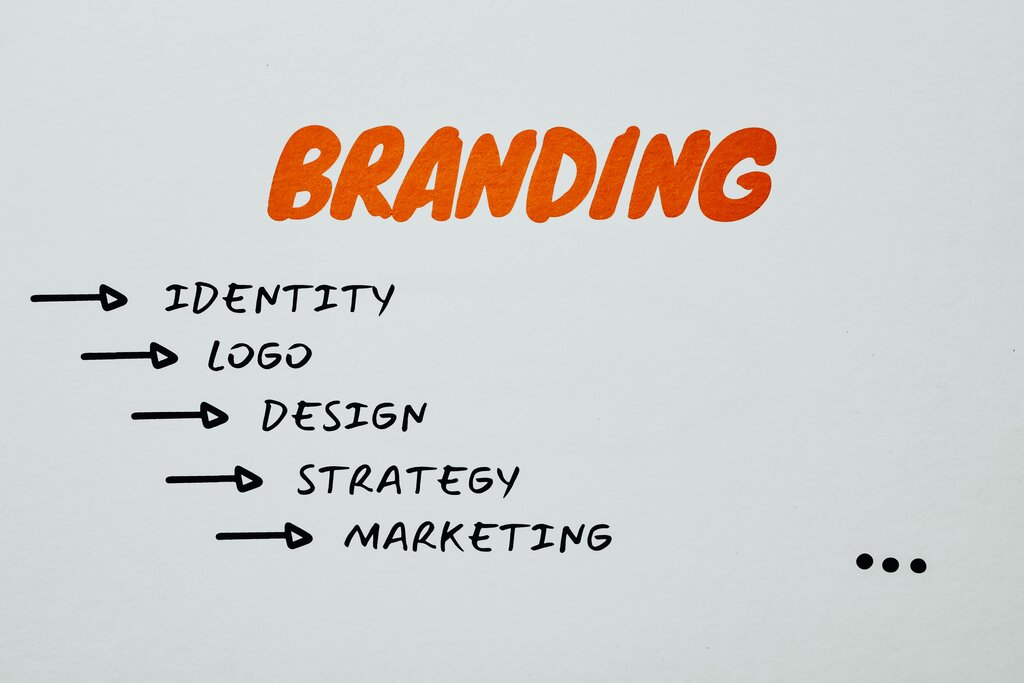
Branding also simplifies choices. We are bombarded with options every day. A familiar brand acts as a mental shortcut, helping us make decisions faster and with more confidence. We choose certain brands of cars, clothes, or electronics because we trust their promise of quality, reliability, or style.
Branding is fundamentally about molding perceptions and impacting choices.
A Brief History
Branding isn't a new concept. Its origins trace back to ancient times when artisans would mark their goods with a symbol to signify ownership and quality. The word "brand" comes from an Old Norse word, brandr, meaning "to burn," referring to the practice of branding livestock to identify them.
During the Industrial Revolution in the 19th century, mass production led to a flood of new, standardized goods. Companies needed a way to distinguish their products from competitors. They began using names, packaging, and advertising to create unique identities. Brands like Coca-Cola and Campbell's Soup emerged during this era, building reputations that have lasted for over a century.
Today, branding has evolved far beyond marks and logos. In the digital age, a brand is an ongoing conversation with customers across websites, social media, and countless other platforms. It's more dynamic and interactive than ever before, focused on building authentic relationships and community.
Which of the following best captures the core essence of a brand?
A product is a tangible item or service, whereas a brand is the ____ that surrounds it.