Brand Building Essentials
Understanding Branding
More Than a Logo
Many people think a brand is just a company's logo, its name, or the colors it uses. While those things are part of it, they're not the whole story. A brand is much deeper. It's the overall feeling and perception people have about a company or its products.
Think of it as a company's reputation. It’s what people say about you when you're not in the room. A strong brand is built from every single interaction a customer has with a business, from the ads they see to the customer service they receive.
Essentially, your brand is a promise you make to your customers. It tells them what they can expect from your products and services, and it differentiates your offering from your competitors. It's not what you say it is, but what they say it is.
The Anatomy of a Brand
A brand's identity is made up of several key components that work together to create a cohesive image. It's the collection of all elements that a company creates to portray the right image to its consumer.
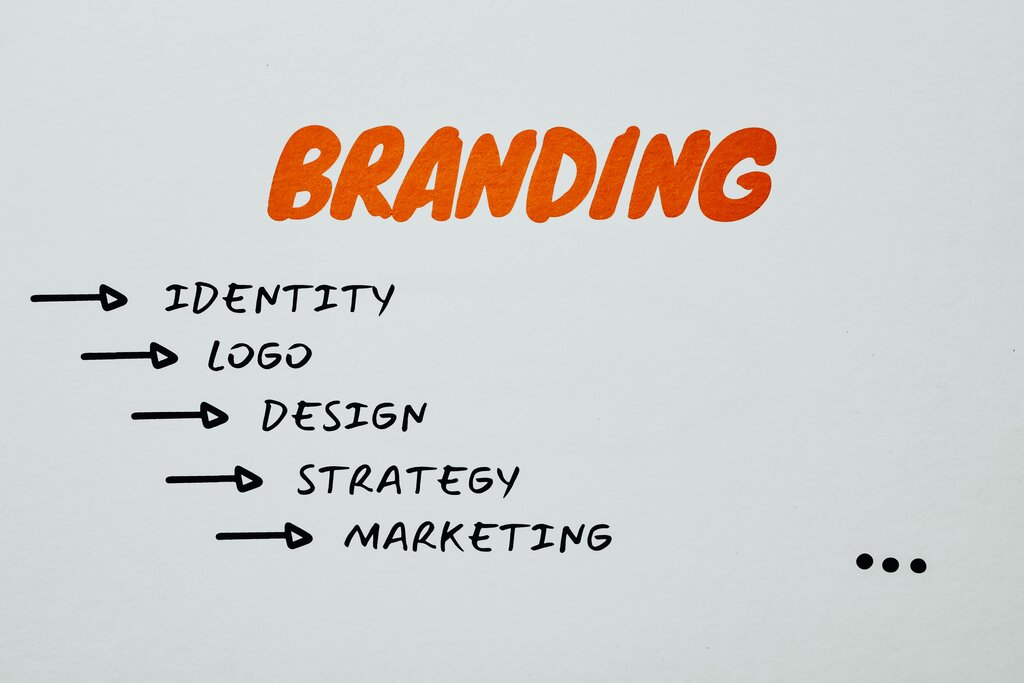
Some of the core components include:
-
Mission and Values: This is the 'why' behind the company. What does it stand for? What are its guiding principles? A brand with a clear purpose, like Patagonia's commitment to environmentalism, connects with customers on a deeper level.
-
Brand Voice: If your brand were a person, how would it talk? Would it be formal and professional, or casual and witty? This personality comes through in website copy, social media posts, and all other communications.
-
Visual Identity: This is the most recognizable part of branding. It includes the logo, color palette, typography, and imagery. These visual cues make a brand instantly identifiable. Think of the iconic Coca-Cola red or the simple Apple logo.
-
Positioning: This is where the brand sits in the market relative to its competitors. Is it the luxury option, the budget-friendly choice, or the most innovative? This helps target the right audience.
Branding's Impact
So, why is all this effort so important? Effective branding has a massive impact on both the business and its customers.
For businesses, a strong brand can lead to increased recognition in a crowded marketplace. When customers can easily identify your product, they are more likely to choose it. This builds trust over time. A consistent and professional brand signals that the business is stable and reliable, which can be a key factor in a customer's purchasing decision.
Ultimately, this fosters customer loyalty. People don't just buy products; they buy into brands they feel a connection with. This emotional bond turns one-time buyers into lifelong fans who advocate for the brand.
For consumers, branding simplifies choices. In a world with endless options, we often rely on brands as a mental shortcut. We trust that a product from a certain brand will have a certain level of quality or provide a specific experience.
Branding also allows people to express themselves. The car you drive, the clothes you wear, and the phone you use are all signals about your identity and values. By choosing certain brands, consumers align themselves with the image and community that brand has cultivated.
Which statement best defines what a brand is?
If a company describes itself as 'the most innovative and high-tech solution for professionals,' it is defining its brand ______.
Branding is a fundamental concept that shapes how we perceive and interact with the businesses around us. It's the art of building a distinct identity that resonates with people.