Brand Audience Mastery
Understanding Your Target Audience
First, Know Your Audience
Before you can build a thriving community, you need to know who you're building it for. Trying to create a community without understanding your audience is like throwing a party for strangers. You wouldn't know what music to play, what food to serve, or what they'd enjoy talking about. It would feel generic and uninviting.
A deep understanding of your audience is the foundation of every decision you'll make. It ensures your content, your tone, and your entire community strategy resonates with the right people, making them feel seen, understood, and eager to participate.
The foundation of any effective outreach strategy is a deep understanding of your target audience.
This isn't about making assumptions. It's about gathering real information to see your audience as they truly are, not just as you imagine them to be.
Gathering the Clues
To get a full picture of your audience, you need to look at three types of data: demographic, psychographic, and behavioral. Each one gives you a different piece of the puzzle.
| Data Type | What It Tells You | How to Collect It |
|---|---|---|
| Demographic | Who they are (age, location, gender, income) | Website analytics, social media insights, surveys |
| Psychographic | Why they do things (values, interests, lifestyle) | Customer interviews, social listening, online forums |
| Behavioral | What they do (purchase history, feature usage) | Product analytics, website heatmaps, sales data |
Demographic data provides the basic facts. It's the most straightforward information to collect and gives you a high-level view of your audience segments.
Psychographic data dives deeper into their personalities and values. It helps you understand their motivations and what they care about beyond your product. This is where you uncover the shared interests that can bond a community together.
Behavioral data is about action. It shows you how people interact with your brand, what they buy, which articles they read, and what features they use most. This tells you what's currently working and where their needs are.
Relying on just one type of data gives you an incomplete sketch. The magic happens when you combine all three to see a rich, multi-dimensional portrait of your audience.
Creating Audience Personas
Once you've collected your data, it's time to make it human. An audience persona is a fictional character you create to represent a key segment of your audience. It transforms raw data and statistics into a relatable person with a name, a face, and a story.
Creating personas helps your team develop empathy and keeps the user at the center of your strategy. Instead of saying, "Let's make content for 25-35 year old urban females," you can say, "What would Creative Chloe find most helpful?"
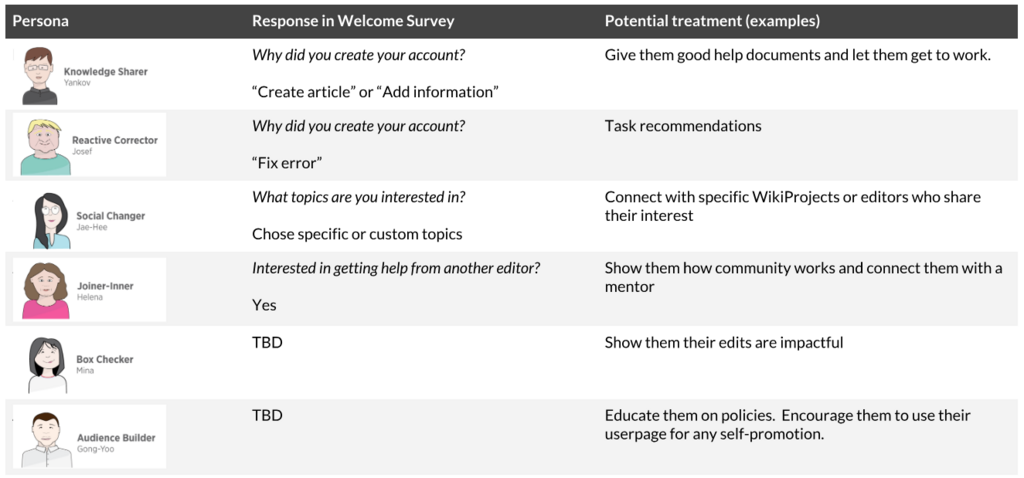
To build a persona, you synthesize the demographic, psychographic, and behavioral data you've gathered. Look for patterns and group similar users together. A good persona should include:
- A name and stock photo
- Key demographic information
- Their goals and motivations
- Their challenges and pain points (especially those your brand can solve)
- A brief bio or quote to bring them to life
Applying Audience Insights
Creating personas isn't just an academic exercise. It's a practical tool that directly shapes your community-building strategy. With a clear persona like Creative Chloe in mind, you can start asking targeted questions:
- Content: What kind of articles, tutorials, or discussions would Chloe find valuable? (e.g., interviews with established designers, reviews of new software).
- Tone of Voice: How should we communicate to sound authentic and relatable to her? (e.g., supportive, inspiring, and professional, but not corporate).
- Platform: Where does Chloe already spend her time online? (e.g., Behance, Instagram, specific design-focused Slack groups).
- Community Activities: What kind of events would she participate in? (e.g., virtual portfolio reviews, Q&A sessions with experts).
Your audience personas become a filter for your ideas. Before launching a new initiative, ask yourself: 'Would this truly serve our personas' needs and goals?'
This focused approach ensures you're not just creating noise. You're building a space and providing resources that are genuinely useful and appealing to the people you want to attract. This is the first and most critical step in turning a passive audience into an active, engaged community.