Branches of Engineering
Introduction to Engineering Disciplines
The Major Branches of Engineering
Engineering is a vast field dedicated to solving practical problems. While there are dozens of specializations, most trace their roots back to five core disciplines. Each branch uses principles of science and math to tackle different kinds of challenges, from building cities to creating microscopic electronics. Let's explore these foundational areas.
Engineering is fundamentally the systematic application of scientific and mathematical principles to design, build, and maintain structures, machines, systems, and processes that solve practical problems and improve human life.
Mechanical Engineering
Mechanical engineering is all about things that move. It's one of the oldest and broadest engineering disciplines, focusing on the principles of motion, energy, and force. Mechanical engineers design, analyze, and manufacture everything from tiny components inside a watch to massive power plant turbines.
The field blossomed during the Industrial Revolution with the invention of the steam engine and the rise of factories. Today, its core principles include mechanics, thermodynamics (the study of heat and energy), and materials science. This knowledge is crucial for creating machines and devices that are efficient, durable, and safe.
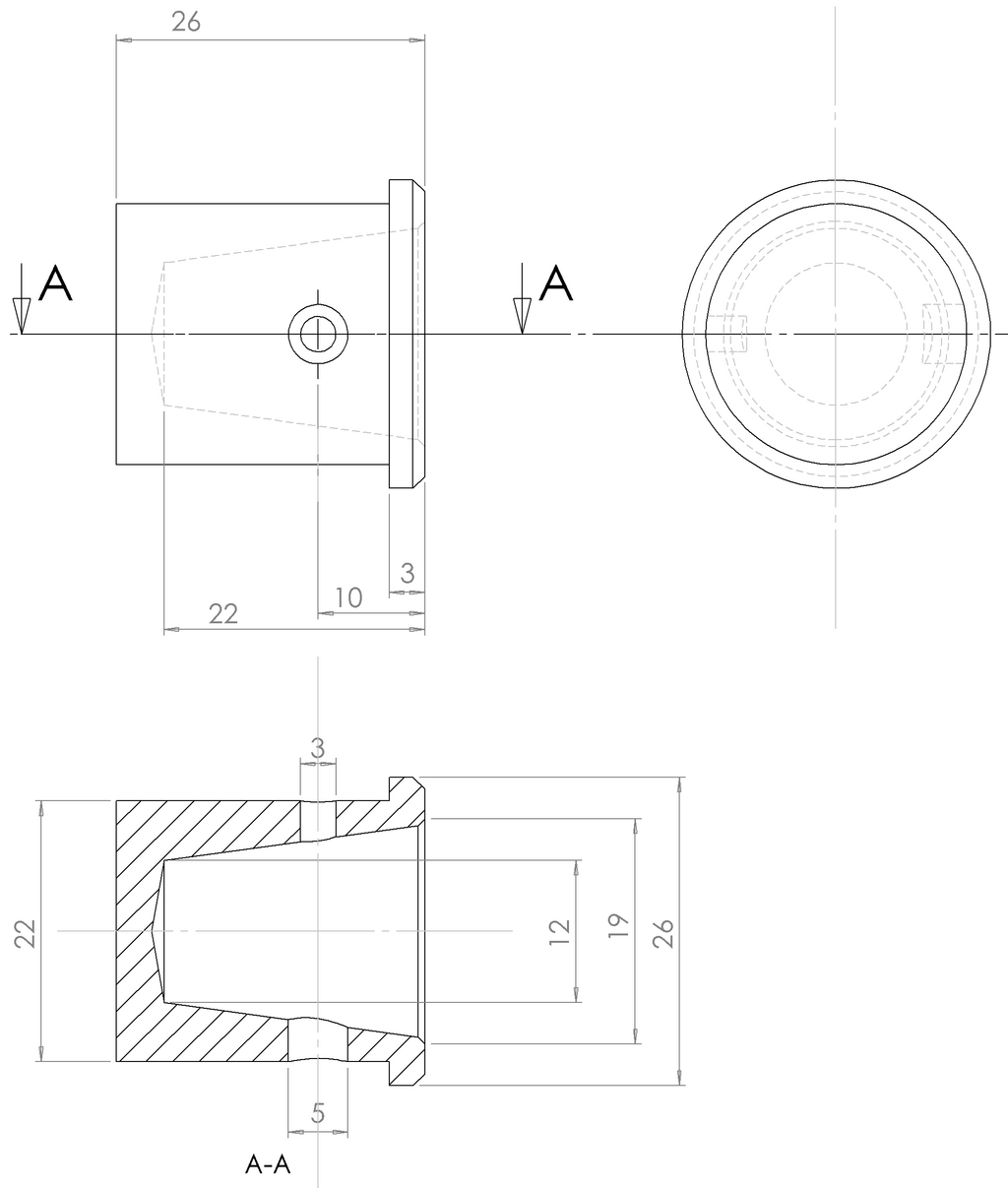
You can find the work of mechanical engineers everywhere. They design cars, aircraft, engines, robotics, and manufacturing equipment. They also develop the heating and cooling systems in our homes and offices. Key industries include automotive, aerospace, energy, and manufacturing.
Civil Engineering
If mechanical engineering moves the world, civil engineering builds it. This discipline deals with the design, construction, and maintenance of the physical and naturally built environment. Think of it as the engineering of public works and infrastructure.
Its history is as old as civilization itself, starting with the construction of ancient pyramids, roads, and aqueducts. Modern civil engineering covers a wide range of specialties, including structural engineering (buildings and bridges), transportation engineering (roads and airports), and environmental engineering (water and waste systems).
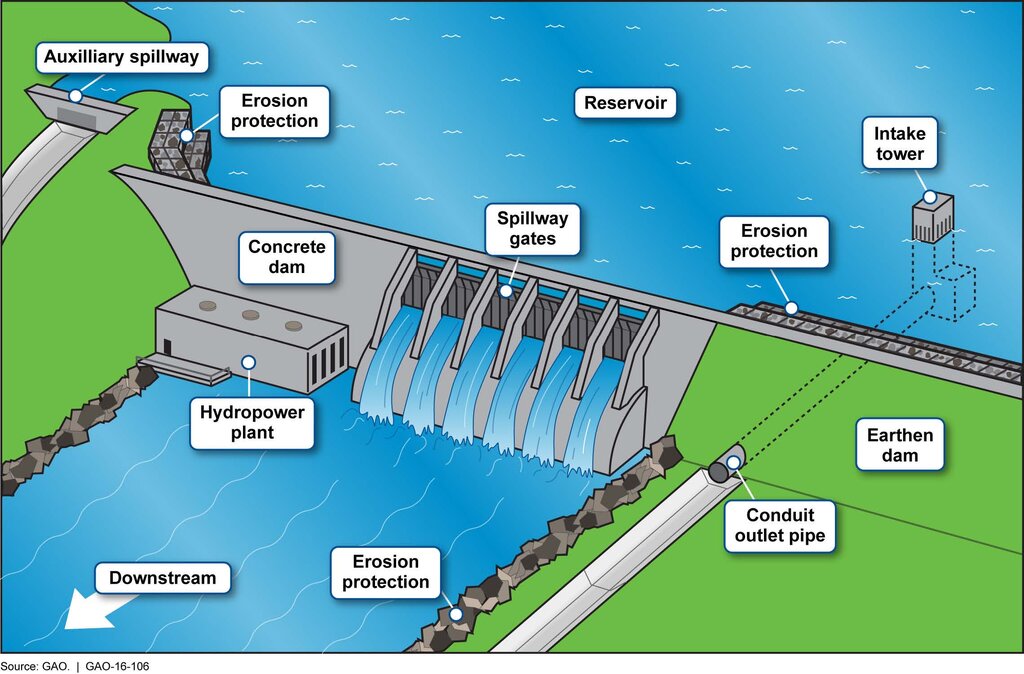
Civil engineers are responsible for the essential infrastructure we rely on daily: roads, bridges, dams, airports, and water supply networks. They work in both the public sector, for government agencies, and the private sector, for construction and consulting firms. Their work ensures that our communities are safe, sustainable, and well-connected.
Electrical & Chemical Engineering
Two other major fields, electrical and chemical engineering, focus on manipulating matter and energy at smaller scales.
Electrical engineering deals with electricity, electronics, and electromagnetism. It emerged in the late 19th century with the commercialization of the telegraph, telephone, and electric power. Electrical engineers work on a huge range of applications, from the massive power grids that light up our cities to the microchips inside our phones.
Subfields of electrical engineering include power generation, electronics, control systems, and telecommunications.
Chemical engineering applies principles of chemistry, physics, and biology to transform raw materials into more useful products. This field grew out of the need to scale up chemical production for industries in the late 1800s.
Chemical engineers design and operate large-scale processes for manufacturing everything from fuel and plastics to pharmaceuticals and food. They are essential to industries like energy, materials science, biotechnology, and environmental protection. For example, a chemical engineer might develop a more efficient way to refine oil, create a new type of biodegradable plastic, or design a process to purify drinking water.
Computer Engineering
The newest of the core disciplines, computer engineering, is a hybrid field that blends electrical engineering with computer science. It focuses on the design and development of computer hardware and software.
Born from the digital revolution of the mid-20th century, this field is responsible for the invention of the microprocessor and the personal computer. Computer engineers work on the entire computing stack, from designing individual circuits and microprocessors to creating firmware, operating systems, and software applications.
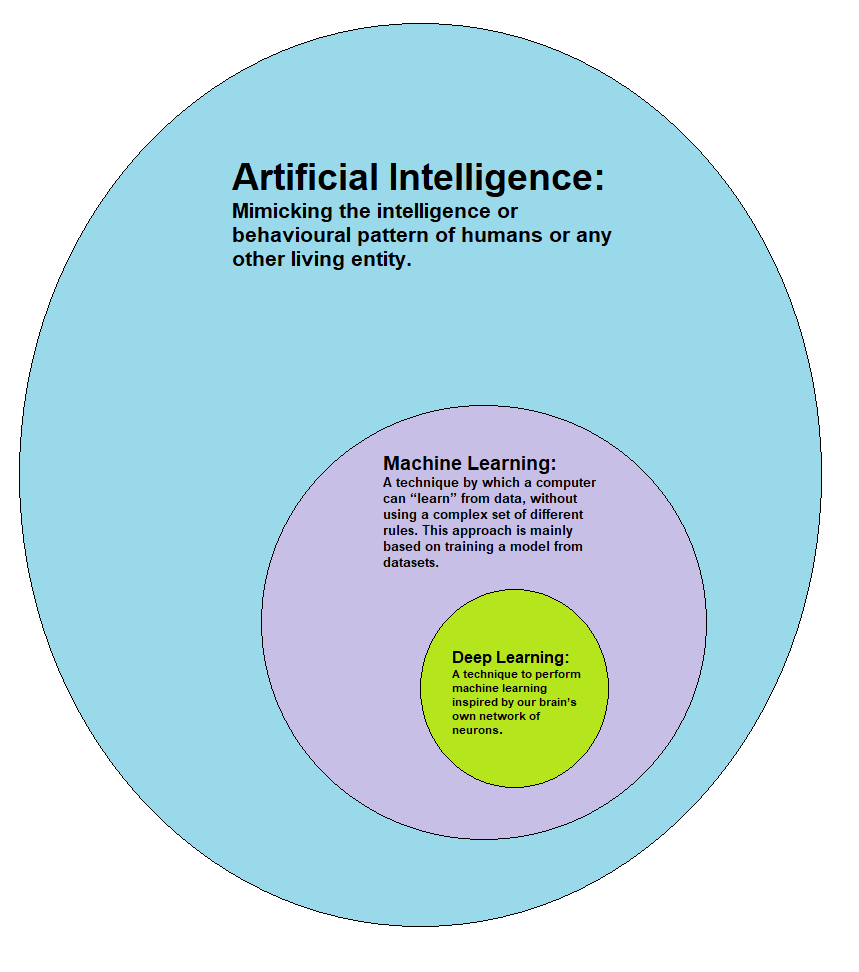
Their work is fundamental to nearly every modern industry, including telecommunications, consumer electronics, and information technology. They design the hardware in your smartphone, the networks that connect the internet, and the embedded systems that run everything from cars to medical devices. They create the bridge between the physical world of electronics and the virtual world of software.
Ready to test your knowledge? Let's see what you've learned about these core fields.
Which engineering discipline is primarily concerned with the principles of motion, energy, and force to design and analyze machines like engines and turbines?
A project to design a new city-wide water supply network and a series of bridges would fall under the primary responsibility of a civil engineer.
Each of these five disciplines forms a pillar of the modern world, working together to create the technology and infrastructure we use every day.