Brain Stimulation Techniques Explained
Introduction to Brain Stimulation
What Is Brain Stimulation?
Brain stimulation is a way to directly influence the activity of neurons in the brain. Think of it like a set of precise controls for tuning brain circuits. The main purpose is twofold: to treat medical conditions and to better understand how the brain works. For treatment, it can help regulate brain activity that has become dysfunctional, offering relief for conditions like Parkinson's disease, depression, and chronic pain. For research, it allows scientists to temporarily activate or quiet specific brain regions to see how that affects thoughts, feelings, or actions.
At its core, brain stimulation is about modulating—or adjusting—the electrical conversations between brain cells.
How Neurons Get the Message
Your brain is a network of billions of neurons that communicate using tiny electrical signals. Each neuron has a baseline level of electrical charge. When it receives enough input from other neurons, its charge builds up until it crosses a certain threshold. At that point, it fires an electrical pulse called an action potential. This signal travels down the neuron to communicate with its neighbors, passing the message along.
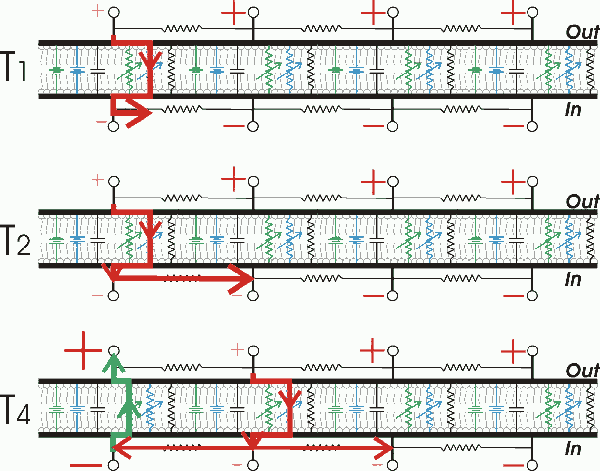
Brain stimulation works by introducing an external energy source—either an electrical current or a magnetic field—into this environment. This external energy changes the electrical charge of nearby neurons, making them either more likely or less likely to fire an action potential. By making neurons more likely to fire, we 'excite' them. By making them less likely to fire, we 'inhibit' them. This ability to dial neuronal activity up or down is the fundamental mechanism behind all brain stimulation techniques.
Modulation
noun
The process of altering or adjusting a property or activity. In neuroscience, it refers to changing the firing rate of neurons.
Two Main Approaches
While there are many specific techniques, they mostly fall into two broad categories based on the type of energy used.
- Electrical Stimulation
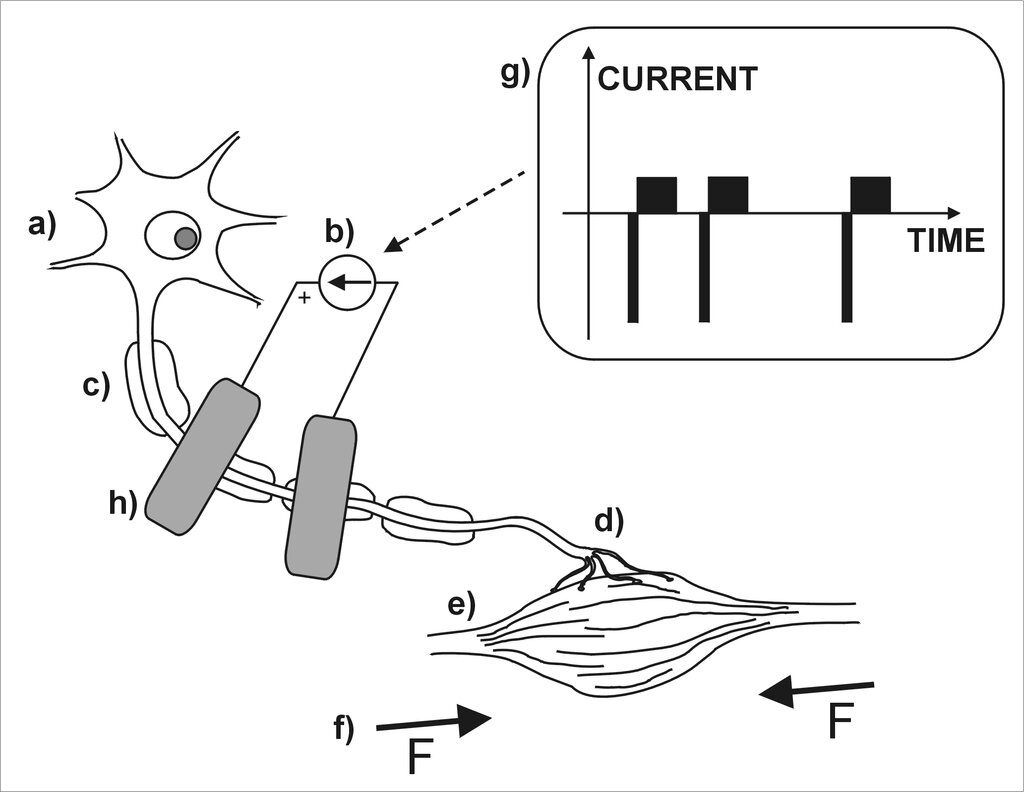
This method uses electrodes to deliver small, controlled electrical currents. The electrodes can be placed on the scalp for a non-invasive approach or surgically implanted in the brain for more direct and targeted stimulation. The current flows through the brain tissue, altering the electrical environment around neurons and influencing their likelihood of firing. This is the most direct way to interact with the brain's electrical signaling.
- Magnetic Stimulation
This approach is non-invasive and uses powerful, rapidly changing magnetic fields. A coil is placed near the head, and as the magnetic field it generates pulses, it induces a small electrical current in the brain tissue below it. This is based on the principle of electromagnetic induction. The induced current then modulates neuronal activity just like a directly applied current would. The key difference is that nothing physically enters the brain; the energy is delivered wirelessly through the skull.
What are the two primary purposes of brain stimulation as described in the text?
Brain stimulation works by introducing an external energy source that alters a neuron's electrical charge, making it more or less likely to fire a(n) ______.