Brain Health and Peak Performance
Adaptive Plasticity Mechanisms
Fine-Tuning the Brain's Wiring
Your brain is constantly remodelling itself. This isn't a vague metaphor; it's a physical process of building and dismantling connections between neurons. This principle, often summarised as "use it or lose it," is the essence of neuroplasticity. The connections you use frequently become stronger and faster. The ones you neglect are cleared away to make the system more efficient.
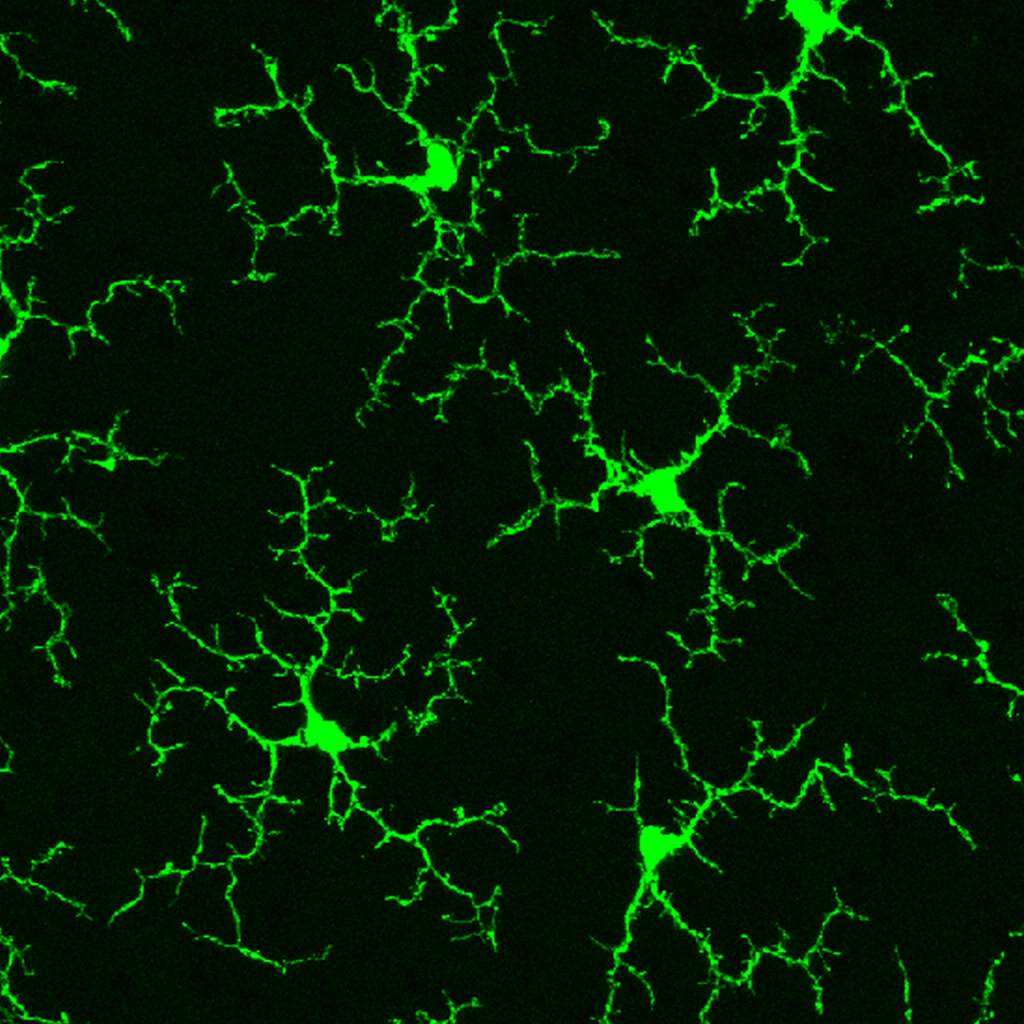
This clean-up process is called synaptic pruning, and it's managed by specialised immune cells in your brain called . Think of them as the brain's diligent gardeners. They patrol the neural environment, seeking out synapses that are weak or inactive. When they find one, they engulf and break it down through a process called phagocytosis. This isn't a sign of damage. It's a vital maintenance routine that eliminates noise and allows important signals to come through more clearly, sharpening your cognitive abilities.
So, if disuse leads to pruning, what does 'use' do? This is where activity-dependent plasticity comes in. The idea was famously captured by neuropsychologist Donald Hebb in 1949.
Neurons that fire together, wire together.
This simple phrase describes the core of Hebbian theory. When one neuron repeatedly helps to fire another, the connection, or synapse, between them gets stronger. Each time you practice a skill, recall a memory, or even think a thought, you are activating a specific network of neurons. With enough repetition, these pathways become more robust and efficient. The communication across these synapses becomes faster and requires less energy, turning conscious effort into automatic habit.
Building Stronger Connections
You can actively encourage your brain to build and strengthen connections. One of the most powerful ways is through environmental enrichment. Exposing your brain to new and complex experiences—like learning a musical instrument, travelling to an unfamiliar city, or even just taking a different route to work—stimulates your neurons. This stimulation encourages them to grow new branches, called dendrites, allowing them to form more connections with other neurons. A richer, more interconnected neural network is a more resilient and powerful one.
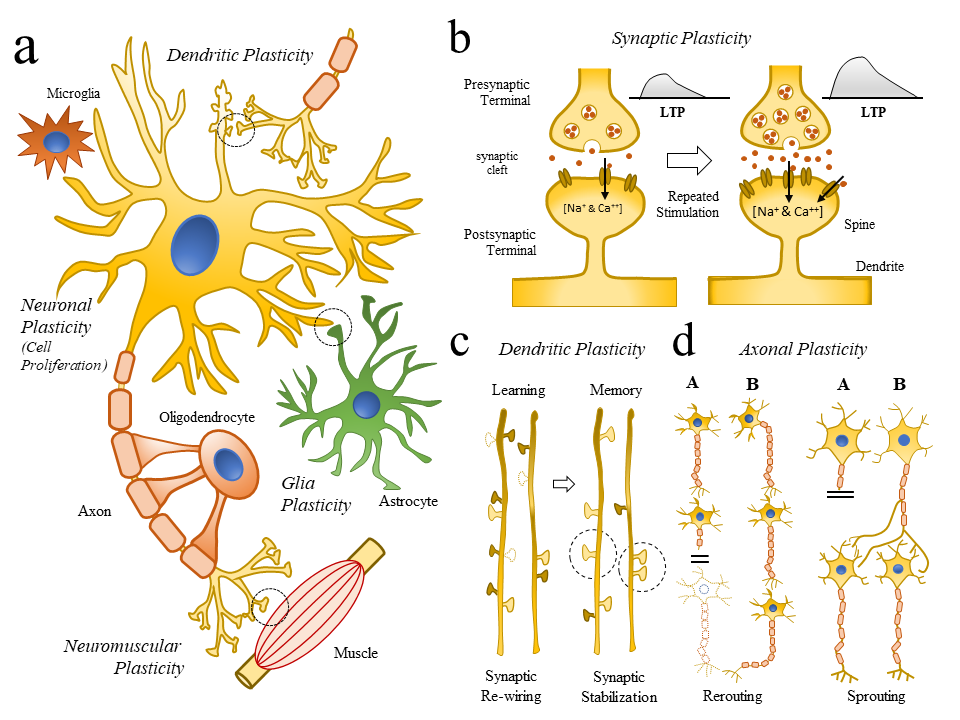
This growth isn't just a byproduct of activity; it's fuelled by specific molecules. One of the most important is (Brain-Derived Neurotrophic Factor). Often called 'Miracle-Gro' for the brain, BDNF is a protein that supports the survival of existing neurons and encourages the growth and differentiation of new neurons and synapses. It plays a critical role in synaptogenesis, the formation of new synapses. Activities like physical exercise, deep sleep, and focused learning have all been shown to increase levels of BDNF, directly promoting the brain's capacity for change.
The entire process of circuit refinement is also guided by chemicals called neuromodulators. Unlike neurotransmitters that carry fast, specific messages between two neurons, neuromodulators act more broadly, like a volume dial for entire brain regions. Chemicals like and serotonin can make it more or less likely that synapses will strengthen or weaken in response to activity. For example, dopamine, associated with reward and motivation, can enhance the strengthening of synapses when you successfully complete a task, reinforcing the neural circuits for that behaviour. This is why focused, rewarding practice is so effective for learning; it aligns your brain's chemical state with the physical changes needed for skill acquisition.
The brain follows a "use it or lose it" principle – unused neural pathways weaken through synaptic pruning, while frequently activated pathways strengthen and expand.
Understanding these mechanisms allows you to move from being a passive passenger to an active driver of your brain's development. By choosing challenging activities, seeking novelty, and focusing your attention, you are directly instructing your brain which connections to keep and which to let go.