Brain Basics Linguistic Centers
Brain Anatomy
The Brain's Three Main Parts
The human brain is an incredibly complex organ, but we can begin to understand it by breaking it down into its three main components. Think of it like a company with three major departments, each with its own core responsibilities: the cerebrum, the cerebellum, and the brainstem.
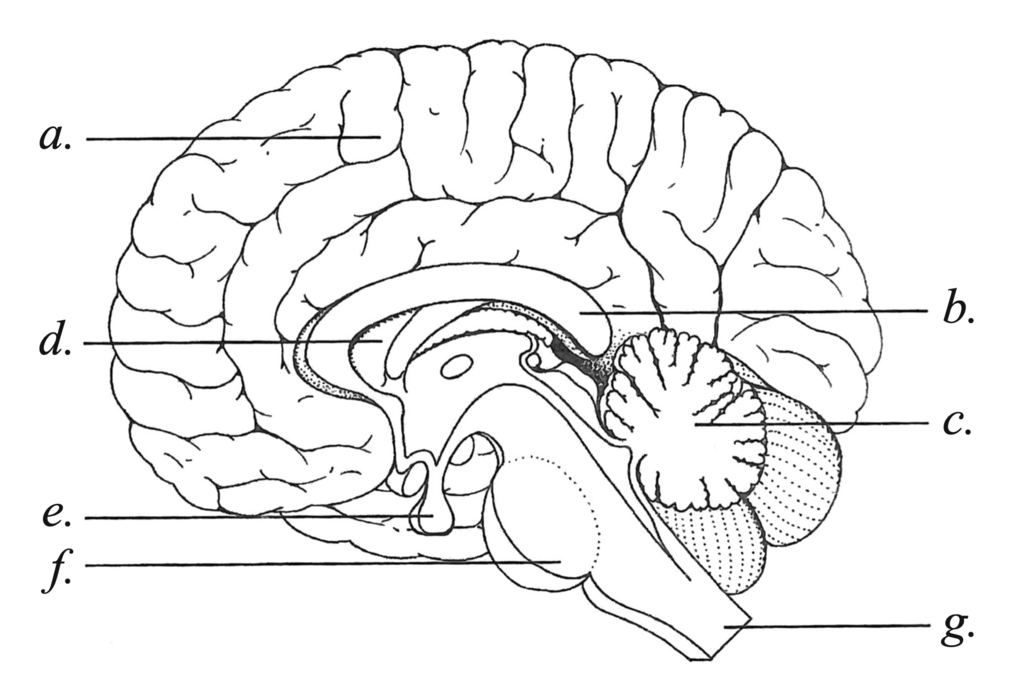
These three structures work together seamlessly, but each plays a distinct and vital role in making you who you are.
The Cerebrum: The Main Event
The cerebrum is the largest part of your brain. It’s what you typically picture when you think of a brain—the wrinkled, dome-shaped structure that fills most of the skull. It's the center for all your higher-level thinking, like reasoning, memory, and voluntary actions.
The cerebrum is divided into two halves, the right and left hemispheres, which are connected by a thick bundle of nerves called the corpus callosum. This connection allows the two sides to communicate. The wrinkled outer layer is called the cerebral cortex, and its folds and grooves increase the surface area, packing in more processing power.
This cortex is further divided into four main lobes, each with a general set of functions:
| Lobe | General Function |
|---|---|
| Frontal | Thinking, planning, problem-solving, and personality. |
| Parietal | Processing sensory information like touch, temperature, and pain. |
| Temporal | Handling memory, hearing, and understanding language. |
| Occipital | Responsible for vision. |
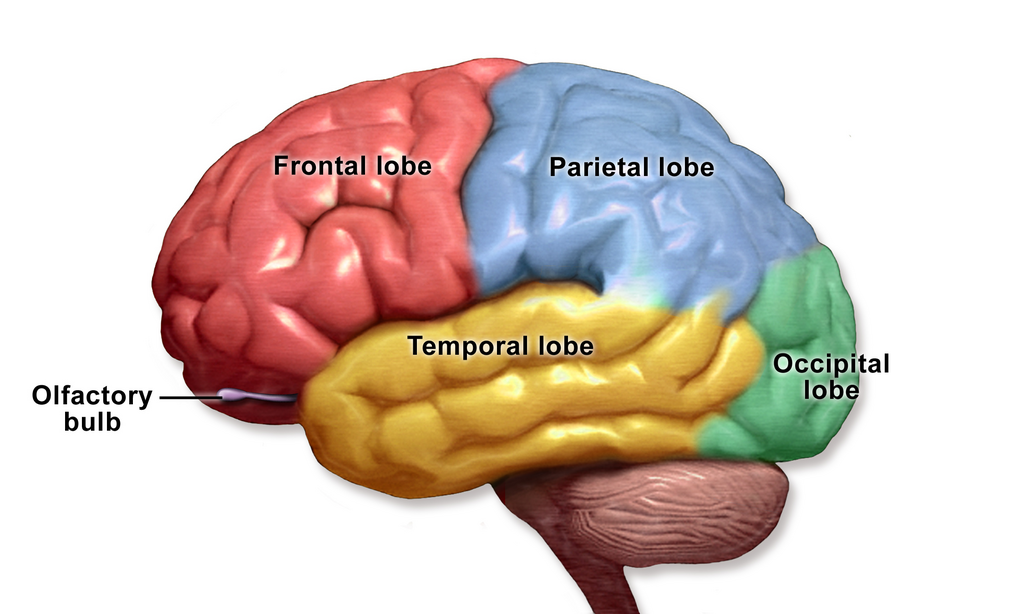
The cerebrum is the brain's command center, responsible for conscious thought, sensation, and movement.
The Cerebellum: The Coordinator
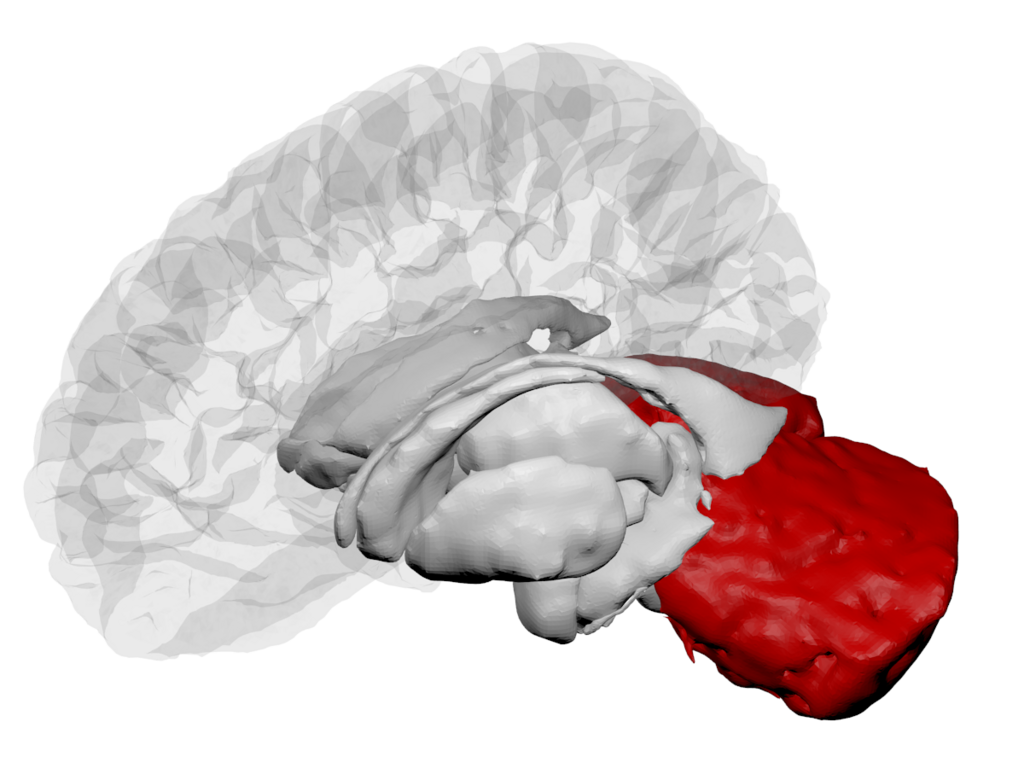
Tucked underneath the cerebrum at the back of the head is the cerebellum. Its name means “little brain,” and it's much smaller than the cerebrum, but it’s crucial for movement.
The cerebellum doesn’t initiate movement, but it coordinates it. Think of it as the brain's quality control specialist for motion. When you walk, catch a ball, or play an instrument, your cerebellum is ensuring your movements are smooth, balanced, and precise. It helps with posture, balance, coordination, and even learning motor skills. When you practice a new physical skill until it becomes second nature, you have your cerebellum to thank.
The Brainstem: The Unsung Hero
The brainstem is the structure that connects the cerebrum and cerebellum to the spinal cord. It might be the most ancient part of our brain, but it’s also one of the most vital. The brainstem manages all the automatic functions that keep you alive, the things you never have to think about.
This includes regulating your heartbeat, breathing, sleeping, and digestion. It acts as a relay station, passing messages between the brain and the rest of the body. The brainstem itself has three parts: the midbrain, the pons, and the medulla oblongata, each handling specific unconscious tasks.
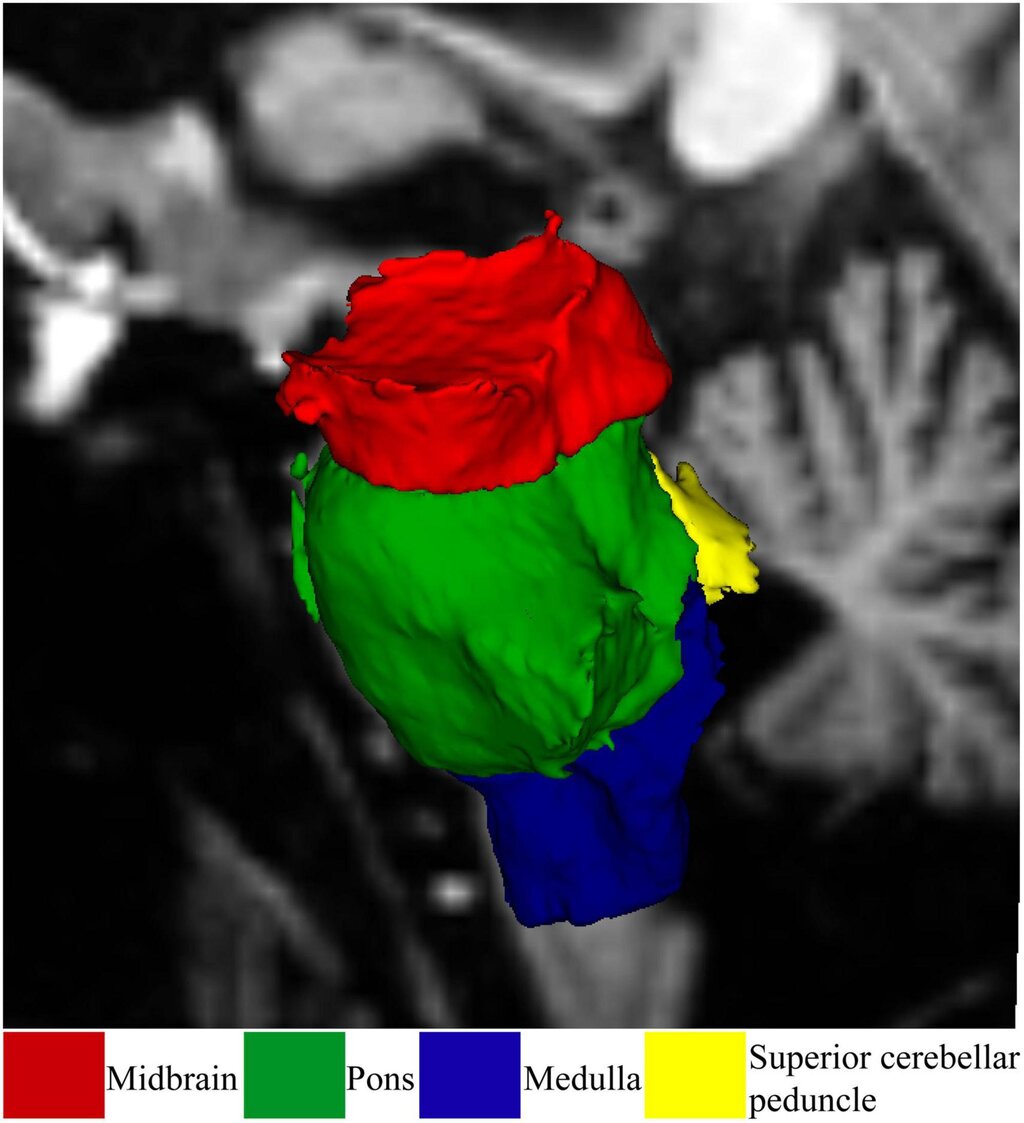
The brain consists of the cerebrum, responsible for higher cognitive functions; the cerebellum, involved in coordination and balance; and the brainstem, which regulates basic life functions such as breathing and heart rate.
Now that you have an overview of the brain's main structures, let's test your knowledge.
Which part of the brain is primarily responsible for higher-level functions like reasoning, memory, and voluntary actions?
A person practicing a complex new dance move until it becomes smooth and automatic is primarily training their __________.