Brain-Based Learning Strategies
Introduction to Brain-Based Learning
Learning With the Brain in Mind
Brain-based learning isn't a new trend or a complicated method. It’s a straightforward idea: if we want to teach effectively, we should pay attention to how the brain actually learns. By understanding the basic mechanics of our own minds, we can create learning experiences that are more engaging, meaningful, and lasting.
Instead of just guessing what works, this approach uses findings from neuroscience to guide teaching. It focuses on creating conditions that are optimal for the brain to absorb information, make connections, and develop new skills. It’s about working with our biology, not against it.
Your Ever-Changing Brain
The most fundamental principle of brain-based learning is neuroplasticity. This is the brain’s incredible ability to reorganize itself by forming new neural connections throughout life. Think of it like creating a path in a forest. The first time you walk it, you have to push through branches and weeds. But the more you use that path, the clearer and more defined it becomes. Learning works the same way.
Every time you learn something new—whether it's a historical fact, a math formula, or how to ride a bike—you are physically changing your brain. Neurons, or brain cells, communicate with each other across tiny gaps called synapses. When you practice a new skill, these connections get stronger and faster. This means that learning isn't just a temporary state; it's a process of physically rewiring your mind. This is why practice and repetition are so important.
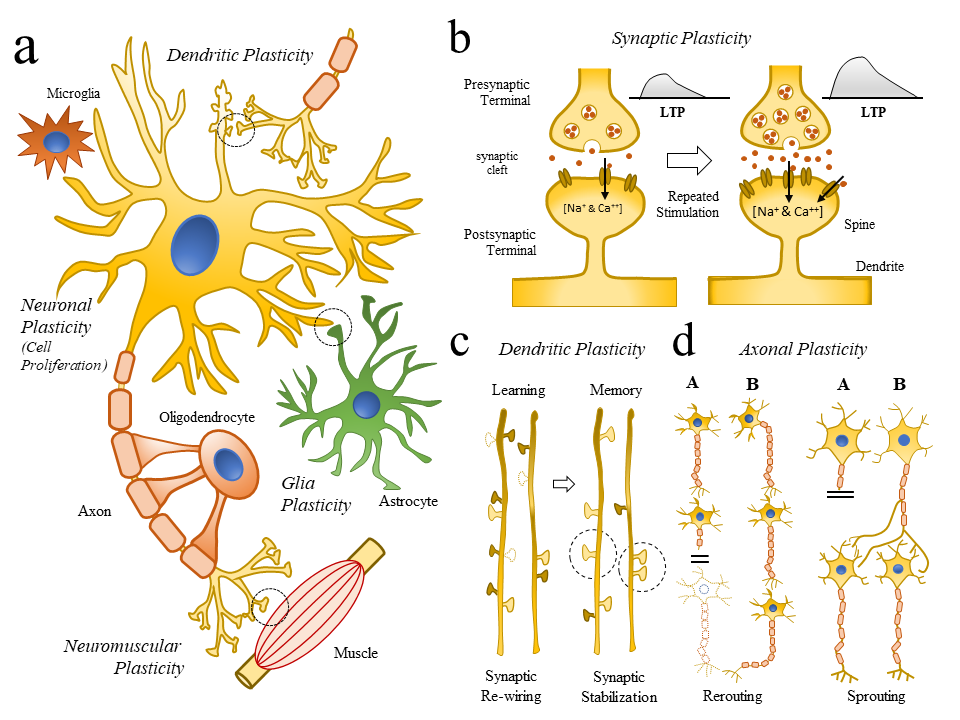
The implication for learning is profound. It means that everyone has the capacity to learn and grow, no matter their age. Intelligence isn't fixed. Your brain is built to adapt and change based on your experiences.
Feelings and Facts
Emotions are not separate from thinking; they are deeply intertwined. The brain’s emotional center, the amygdala, acts as a gatekeeper for information. When a learner feels stressed, anxious, or threatened, the amygdala can trigger a "fight or flight" response, effectively shutting down access to higher-order thinking and memory formation. It's hard to learn calculus when your brain thinks you’re running from a lion.
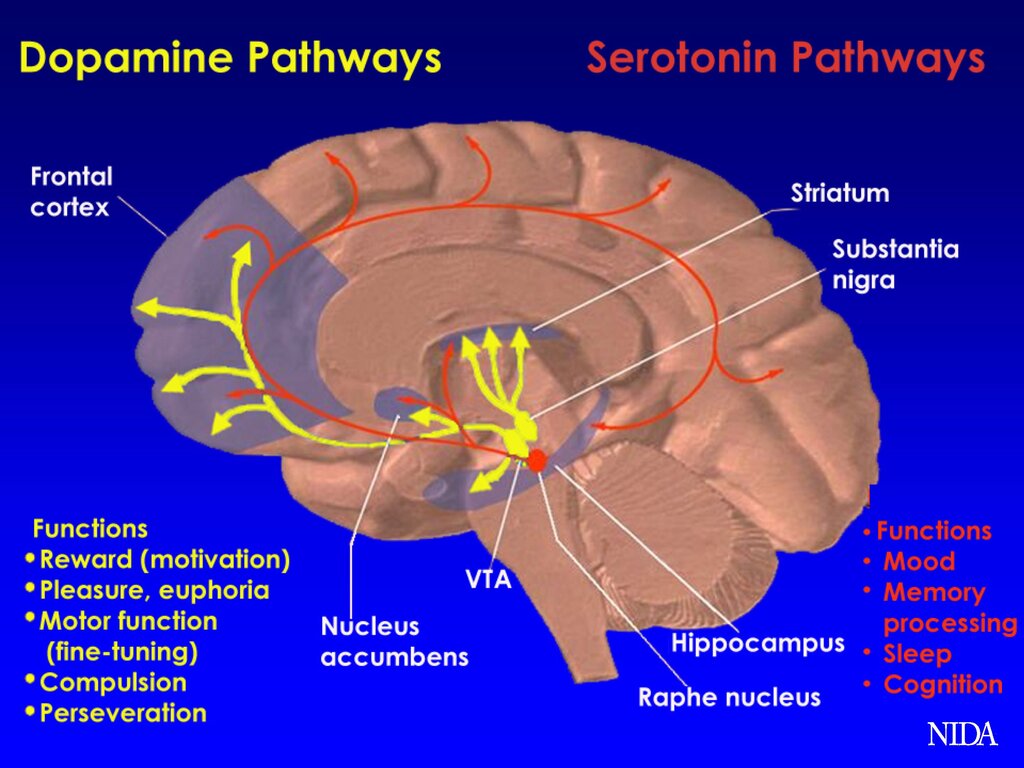
On the other hand, positive emotions like curiosity, excitement, and a sense of safety do the opposite. They open up the brain for learning. When we feel engaged and interested, our brains release neurotransmitters like dopamine, which helps cement new memories. A positive emotional state signals to the brain that the information being presented is important and worth remembering.
A learner's emotional state directly impacts their ability to process and retain information. A safe and engaging environment is a prerequisite for effective learning.
Learning Through the Senses
The brain doesn't take in information through a single channel. It is a multisensory organ that processes data from sight, sound, touch, taste, and smell simultaneously. The more senses that are engaged during a learning experience, the more pathways are created in the brain to that information. More pathways mean stronger memories and easier recall later on.
Imagine learning about rainforests. You could simply read a chapter in a textbook. Or, you could watch a video with the sights and sounds of the jungle, touch different types of leaves and soil, and listen to a story about an explorer's journey. The second experience engages multiple senses and creates a much richer, more memorable mental model of the rainforest. This is why hands-on activities, discussions, and visual aids are not just fun add-ons; they are powerful tools for building robust understanding.
Embracing multisensory learning – engaging sight, sound, touch, and movement – can greatly benefit struggling English language learners by activating different parts of the brain, enhancing both comprehension and retention.
By understanding these core principles—that the brain is constantly changing, that emotions are central to learning, and that engaging multiple senses creates stronger memories—we can begin to approach education in a more effective, brain-friendly way.