Brain Anatomy and Function
Brain Overview
The Brain's Three Main Parts
Think of the brain as a bustling headquarters with three main departments. Each department has a unique role, but they all work together to keep the entire operation running smoothly. These three core sections are the cerebrum, the cerebellum, and the brainstem.
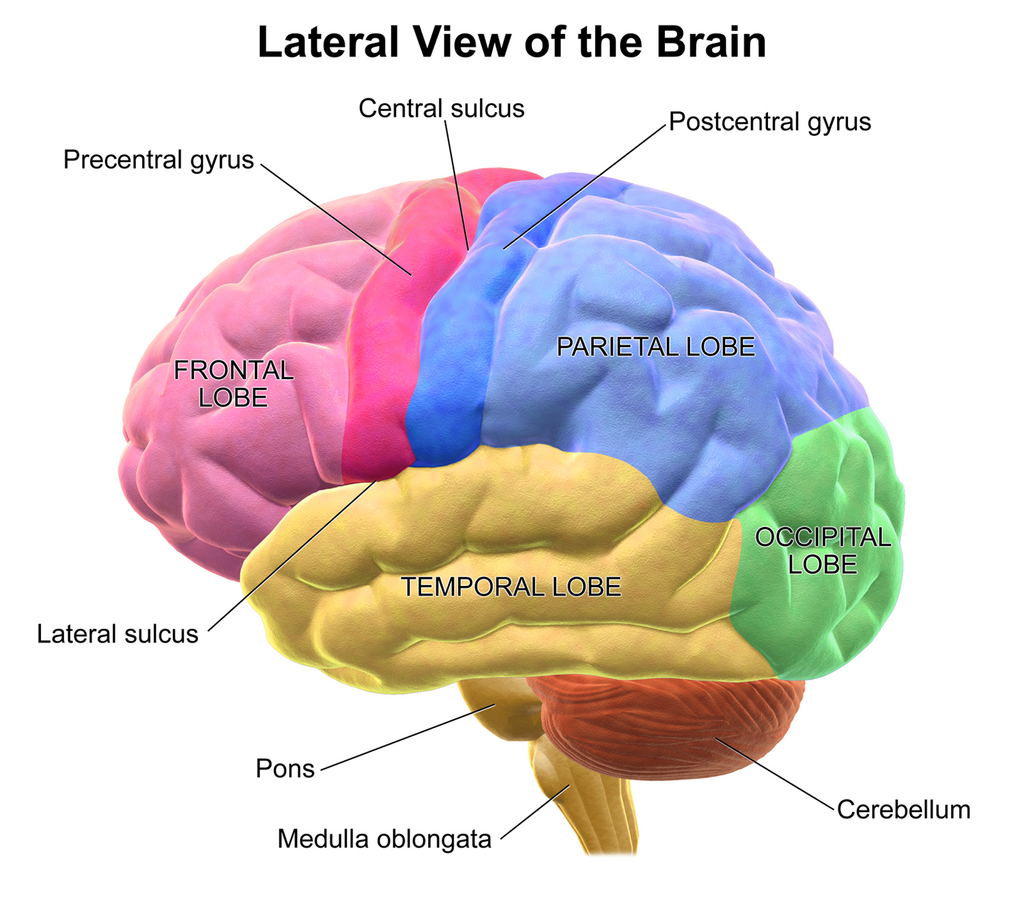
Each part handles distinct responsibilities, from your conscious thoughts and memories to the automatic functions you never think about, like breathing.
The Cerebrum: Thinking Central
The cerebrum is the largest and most prominent part of the brain. It's the wrinkly, folded outer layer that most people picture when they think of a brain. This is where higher-level thinking happens: reasoning, language, memory, and voluntary actions all originate here.
The cerebrum is split down the middle into two halves, called the left and right hemispheres. They communicate with each other through a thick bundle of nerves called the corpus callosum. While they work together, each hemisphere tends to specialize in different tasks. For example, for many people, the left hemisphere is more involved with language, while the right is more involved with spatial awareness.
Each hemisphere is further divided into four sections, or lobes, which act like specialized teams within the department.
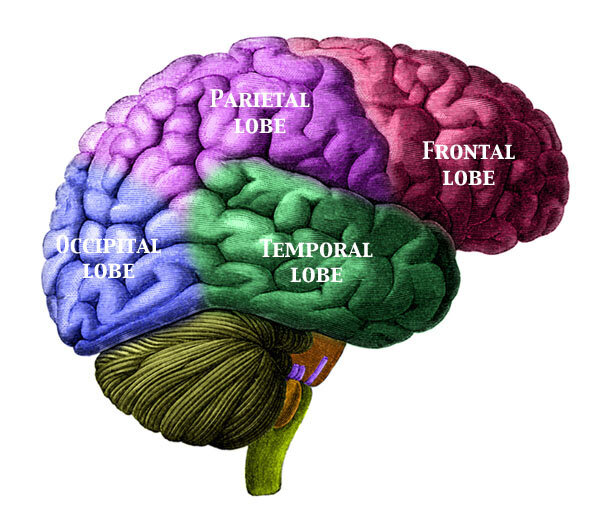
Here's a quick rundown of the lobes:
- Frontal Lobe: Located at the front of your head, this is your brain's command center. It manages planning, problem-solving, and personality.
- Parietal Lobe: Situated behind the frontal lobe, it processes sensory information like touch, temperature, and pain.
- Temporal Lobe: Found on the sides of your head, near your ears. This lobe is key for hearing, memory, and understanding language.
- Occipital Lobe: At the very back of the brain, this is the visual processing center. Everything you see is interpreted here.
The Cerebellum and Brainstem
Tucked underneath the back of the cerebrum is the cerebellum. Though much smaller than the cerebrum, it's incredibly important. Think of it as the brain's movement coordinator. The cerebellum controls balance, posture, and coordination, ensuring your movements are smooth and precise. When you ride a bike or type on a keyboard without looking, you have your cerebellum to thank.
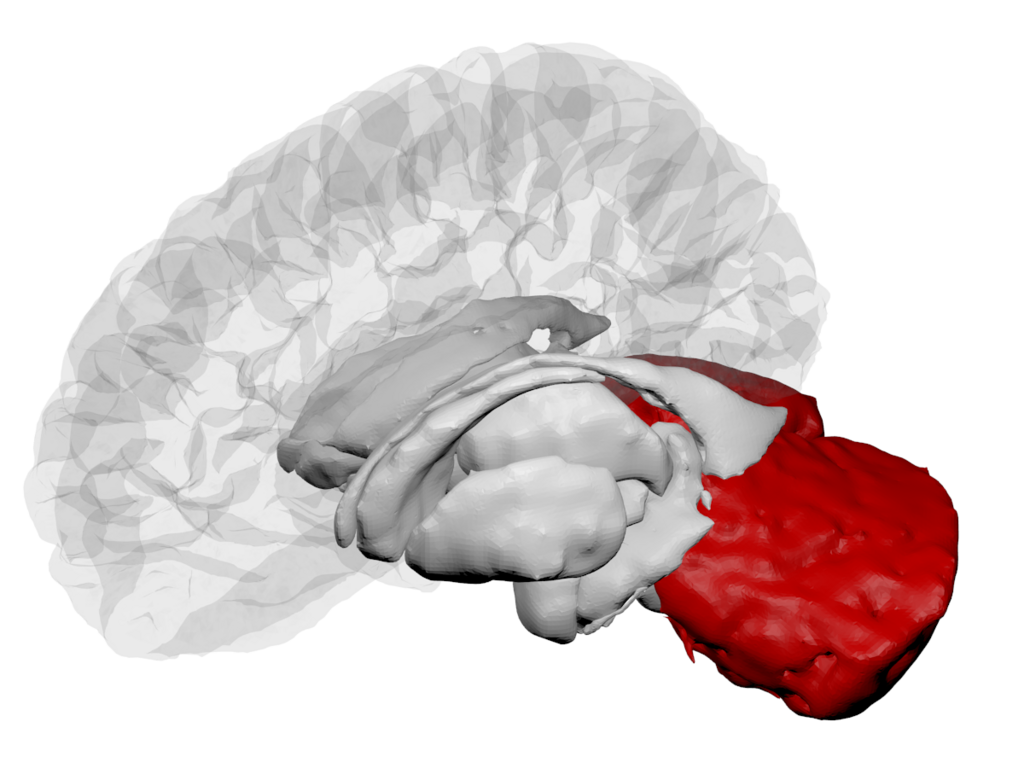
Finally, the brainstem connects the rest of the brain to the spinal cord. It's the most ancient and fundamental part of the brain, handling the essential, automatic functions that keep you alive. This includes regulating your heartbeat, breathing, and blood pressure. The brainstem works silently in the background, managing the vital systems that you don't have to think about.