BPC-157 Peptide Explained
Introduction to Peptides
The Building Blocks of Life
At the most basic level, your body is made of proteins. They build your muscles, power chemical reactions, and carry signals throughout your systems. But what are proteins made of? The answer is amino acids.
Think of the 20 common amino acids as letters of an alphabet. By themselves, they don't do much. But when you link them together, they start to form words. These words are called peptides.
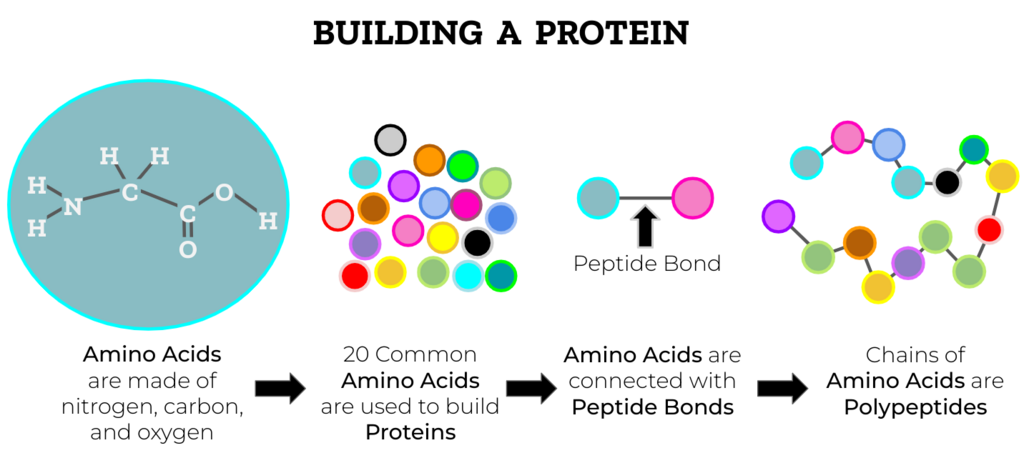
A peptide is simply a short chain of amino acids connected by special links called peptide bonds. These bonds form when the carboxyl group of one amino acid reacts with the amino group of another, releasing a molecule of water in the process.
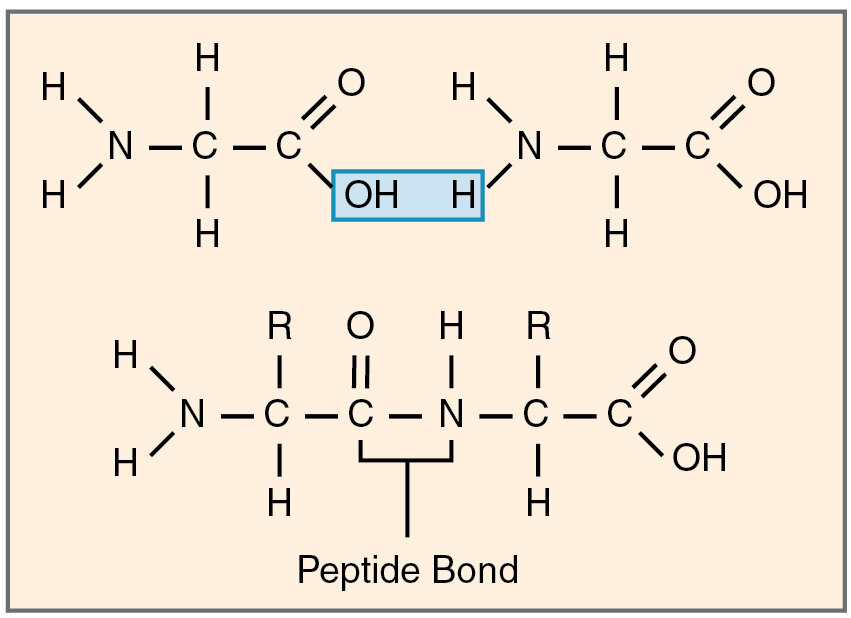
When just two amino acids are joined, it's called a dipeptide. Three form a tripeptide. Chains with up to about 50 amino acids are generally called polypeptides. Anything larger is typically considered a protein. The line isn't perfectly sharp, but the key idea is that peptides are smaller and simpler than proteins.
Amino acids are the letters, peptides are the words, and proteins are the full sentences that write the story of your body.
What Do Peptides Do?
Because of their smaller size, peptides can be more easily absorbed and utilized by the body than larger proteins. They act as precise signaling molecules, carrying messages between cells and triggering specific biological actions. Their functions are incredibly diverse.
Peptides play crucial roles in various biological processes, acting as signaling molecules, hormones, and structural components.
Many of your body's most important messengers are peptides. For example:
- Hormones: Insulin, which regulates your blood sugar, is a peptide hormone. So is oxytocin, sometimes called the "love hormone" for its role in social bonding.
- Neurotransmitters: Endorphins, your body's natural painkillers, are peptides that act on the nervous system.
- Growth Factors: These peptides signal cells to grow, divide, and differentiate. They are essential for healing and maintaining tissues.
- Antimicrobials: Your immune system produces antimicrobial peptides that can destroy bacteria, viruses, and fungi.
Types of Peptides
Peptides can be classified based on their origin and structure.
Natural Peptides: These are produced by living organisms. They can be isolated from animal, plant, or microbial sources. For example, collagen peptides, used in many supplements, are derived from animal connective tissue.
Synthetic Peptides: These are created in a laboratory. Scientists can design and build peptides with specific sequences of amino acids to achieve a desired biological effect. This allows for the creation of peptides that are more stable, potent, or targeted than their natural counterparts.
Now, let's test your understanding of these fundamental concepts.
What are the fundamental building blocks of proteins?
A peptide bond forms when the carboxyl group of one amino acid reacts with the amino group of another, releasing a molecule of water in the process.
Understanding what peptides are and how they work is the first step in exploring their powerful roles in health and medicine.