Bovine Biology and Management
Bovine Ruminant Physiology
The Rumen's Microbial Engine
The bovine digestive system is less a stomach and more a sophisticated, living fermentation vat. At its heart is a dense, diverse ecosystem of microbes—bacteria, protozoa, and fungi—working in symbiosis with the host. These microorganisms are the true powerhouses of digestion, possessing the enzymatic machinery to break down fibrous plant materials like cellulose and hemicellulose, which are indigestible for mammals.
This microbial community is highly specialized. Different species thrive on different substrates. For instance, attach directly to plant fibers, secreting enzymes that snip long cellulose chains into smaller, fermentable sugars. Amylolytic bacteria, on the other hand, specialize in digesting starches. This division of labor ensures that nearly every component of the cow's forage-based diet is efficiently processed.
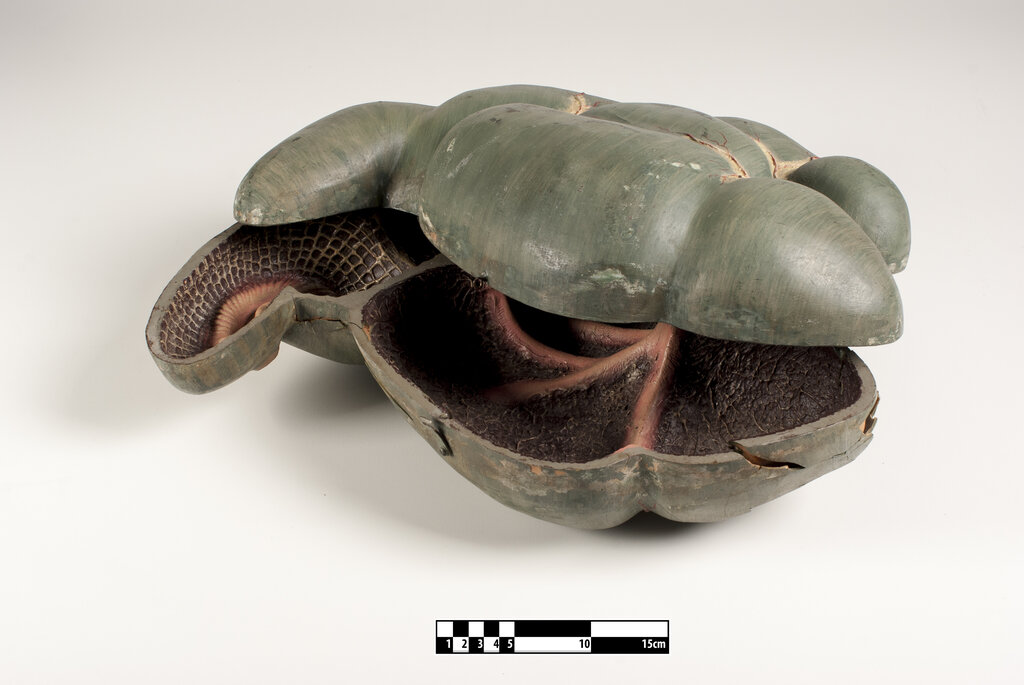
Protozoa play a different role, primarily preying on bacteria to control their population and engulfing starch granules to prevent overly rapid fermentation. Fungi, with their root-like rhizoids, physically penetrate tough plant matter, breaking it apart and creating more surface area for bacteria to colonize. Together, this microbial consortium transforms low-quality forage into high-value nutrients.
Energy from Fermentation
The end goal of all this microbial activity is the production of Volatile Fatty Acids (VFAs). As the microbes ferment sugars, they release VFAs as waste products. For the cow, however, these aren't waste at all—they are its primary source of energy, supplying up to 70% of its total energy requirements.
The main VFAs are acetate, propionate, and butyrate. Each serves a distinct metabolic purpose once absorbed through the rumen wall into the bloodstream.
Acetate is the most abundant VFA and is primarily used for fat synthesis, making it a key component of milk fat. Butyrate is largely converted to a ketone body by the rumen wall and used as an energy source for the gut lining itself. is unique because it is the main precursor for glucose synthesis in the liver, a vital process since very little glucose is absorbed directly from the diet.
Balancing the System
The intense fermentation process constantly produces acids, which would quickly drop the rumen's pH to dangerously low levels if left unchecked. To counteract this, cattle have a masterful physiological adaptation: the rumination cycle, or "chewing the cud."
This cycle involves four steps: regurgitating partially digested feed (the cud), re-chewing it (remastication), mixing it with more saliva (resalivation), and re-swallowing it (redeglutition). The key step is resalivation. Bovine saliva is not just for lubrication; it is rich in buffers like bicarbonate and phosphate. A mature cow can produce over 150 liters of saliva per day, which is essential for neutralizing the VFAs and maintaining a stable rumen pH between 6.0 and 7.0.
Saliva lubricates the food, which makes it easier to swallow and helps neutralise acids formed in the rumen by microbial activity.
This pH stability is critical. If the pH drops too low (a condition called acidosis), the fiber-digesting bacteria die off, halting VFA production and potentially harming the animal. The physical act of chewing cud, therefore, is directly linked to the biochemical health of the rumen.
What is the primary energy source for a cow, derived from microbial fermentation in the rumen?
Which specific Volatile Fatty Acid is the main precursor for glucose synthesis in a cow's liver?
Understanding these interconnected processes—from microbial action to VFA synthesis and pH regulation—is key to managing the health and productivity of cattle. The rumen isn't just one part of a digestive tract; it's a dynamic ecosystem that fuels the entire animal.