Bourbon Whiskey Uncorked
Origins of Bourbon
Whiskey on the Frontier
In the late 1700s, waves of settlers pushed west over the Appalachian Mountains into the fertile lands of what is now Kentucky. Many were Scots-Irish, bringing with them a deep-rooted tradition of distilling. They found the region perfect for growing corn, a crop that thrived in the local soil and climate.
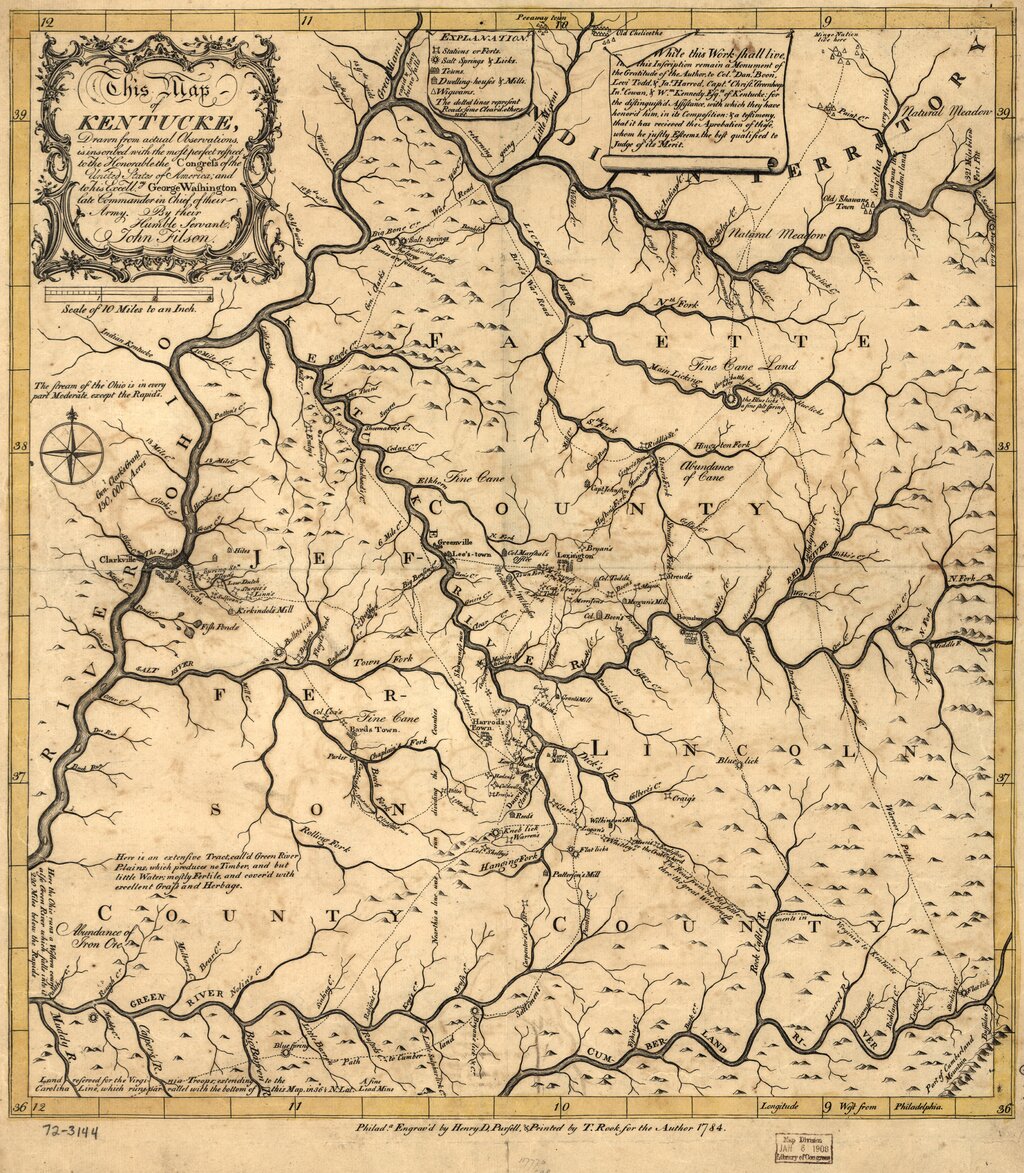
But farmers faced a practical problem: getting their corn to eastern markets was nearly impossible. The grain was bulky, heavy, and would often spoil during the long, difficult journey. The solution was simple and ingenious. They distilled it.
By turning corn into whiskey, farmers converted their perishable, cumbersome crop into a stable, valuable product that was far easier to transport. A pack horse could carry the equivalent of 24 bushels of grain when it was in liquid form. Whiskey became not just a drink, but a currency—a medium of exchange on the American frontier.
Early Kentucky whiskey was made primarily from corn, giving it a sweeter taste than the rye whiskies popular in the East.
A Name with Royal Roots
As the region developed, it was divided into new counties. In 1785, a large area of Virginia was named Bourbon County. The name wasn't a reference to the drink, but a gesture of thanks to France's House of Bourbon for their crucial aid during the American Revolutionary War.
Whiskey produced in this area was shipped down the Ohio and Mississippi Rivers to New Orleans. Barrels were stamped with "Bourbon County" to indicate their origin. Over time, the whiskey from this region gained a reputation for quality, and people began asking for it by name: "that old Bourbon County whiskey." Eventually, the name was shortened to simply "bourbon."
Pioneers of the Pot Still
Pinpointing the exact "inventor" of bourbon is impossible, as it evolved through the work of many distillers. However, a few key figures stand out.
Elijah Craig, a Baptist preacher and distiller, is often mythically credited with creating bourbon. The legend says he was the first to age his whiskey in charred oak barrels, discovering that the process mellowed the spirit and gave it a distinctive reddish color and notes of vanilla and caramel. While there's little historical proof for this specific claim, Craig was undoubtedly a significant early distiller in Kentucky, helping to establish the industry.
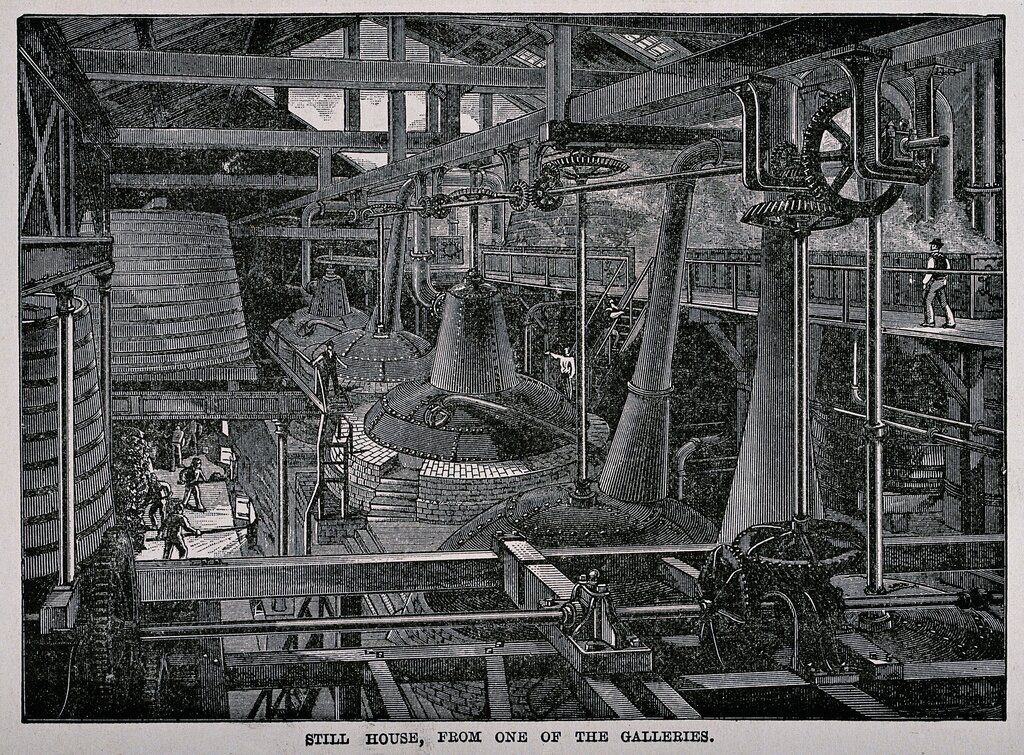
A distiller with a more verifiable claim to the bourbon name is Jacob Spears. Shipping records show that Spears was one of the first to label his product "Bourbon whiskey." He, like Craig and many others, used a corn-heavy mash in a pot still, a simple distillation apparatus that was common at the time. This method produced a raw, unaged spirit known as "white dog."
It was the combination of this corn-based spirit with the practice of aging in charred oak barrels—whoever started it—that created the unique American whiskey we now know as bourbon.