Boundary Value Analysis Explained
Introduction to Software Testing
What is Software Testing?
Software testing is the process of evaluating a software application to find any bugs or errors. The main goal is to make sure the software is reliable, works as expected, and meets the needs of its users. Think of it like a chef taste-testing a dish before it goes out to the customer. They're not just checking if it's edible; they're ensuring every ingredient works together to create the perfect flavor.
The core purpose of software testing is to identify defects and ensure that the software meets the specified requirements.
Testing isn't just about finding what's broken. It's also about building confidence. When a piece of software passes its tests, the development team can be more certain that it's ready for people to use. This process helps prevent problems, saves money in the long run, and protects a company's reputation.
Testing's Role in Development
Testing isn't a single step you complete at the very end of building a product. Instead, it's woven throughout the entire software development lifecycle (SDLC). By testing early and often, teams can catch issues when they are smaller and easier to fix.
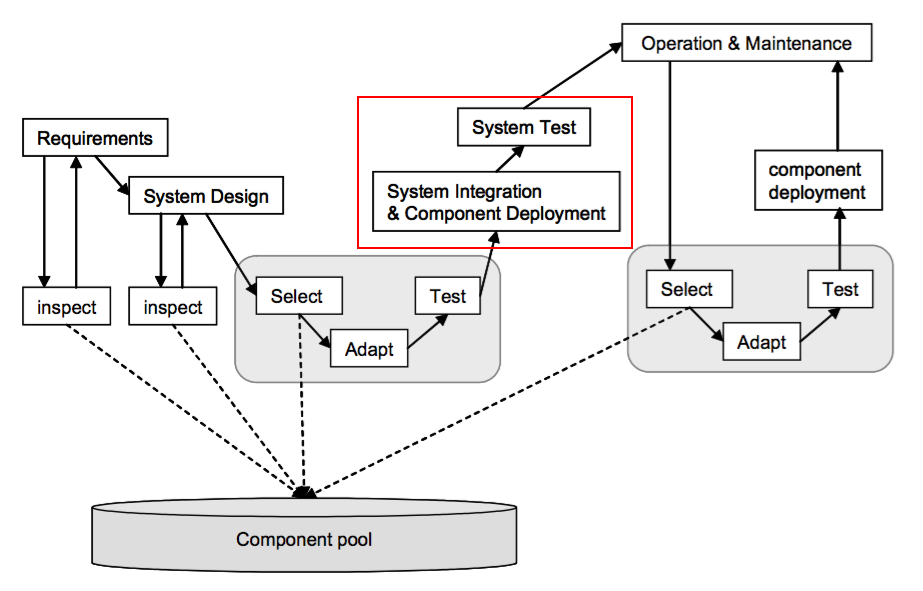
Different types of tests are performed at different stages. This layered approach ensures that every part of the software, from the tiniest component to the complete system, is checked thoroughly. Catching a bug early in the design phase is far cheaper and faster than fixing it after the product has been released to thousands of users.
Levels of Testing
Software testing is typically broken down into four main levels. Think of them as a series of checks that go from very specific to very broad.
Unit Testing
noun
Testing the smallest, most isolated pieces of code, like individual functions or methods. The goal is to verify that each 'unit' works correctly on its own.
Integration Testing: After the individual units are tested, integration testing checks how they work together. This is where you find out if different parts of your code can communicate properly. For example, does the user login module correctly pass information to the user profile module?
System Testing: Once all the components are integrated, the entire system is tested as a whole. This level of testing evaluates the complete, fully integrated software product. It checks if the system meets all the specified requirements from start to finish.
Acceptance Testing: This is the final level, where the software is tested for acceptability. The goal is to determine if the system is ready for release. Often, this involves the end-users or clients testing the software to see if it meets their business needs and expectations.
Testing Methodologies
Beyond the different levels, there are different strategies or methodologies for how to approach testing. The main three are black-box, white-box, and gray-box testing.
These methodologies describe how much the tester knows about the internal workings of the software they are testing.
Black-Box Testing
noun
A testing method where the tester has no knowledge of the internal code or structure. They focus only on the inputs and outputs, treating the software like a 'black box'.
White-Box Testing: This is the opposite of black-box testing. The tester has full access to the source code and understands its internal logic. This allows them to test specific paths through the code and ensure every line is working as intended. This is often done by the developers themselves.
Gray-Box Testing: As the name suggests, this is a hybrid approach. The tester has partial knowledge of the system's internal workings. They might know about the database structure or certain algorithms, which allows them to design more targeted tests without needing to know every single line of code.
| Methodology | Knowledge of Internals | Focus | Who Typically Performs It |
|---|---|---|---|
| Black-Box | None | User functionality, inputs/outputs | QA Testers, End Users |
| White-Box | Complete | Code structure, internal paths | Developers |
| Gray-Box | Partial | Specific system components, data flows | QA Testers, Developers |
Understanding these fundamental concepts is the first step toward building high-quality, reliable software. Each level and methodology plays a vital role in the journey from an idea to a finished product.
Ready to check your understanding?
What is the primary goal of software testing?
A tester is given a version of an application to test. They have access to some internal design documents and the database schema, but not the complete source code. Which testing methodology are they using?