Boundaries for Strong Willed Five Year Olds
Behavioral Function Analysis
The Why Behind the What
When a five-year-old throws a toy truck across the room, it’s rarely just about the truck. That act of destruction is communication. Instead of asking "Why are you being so bad?" a more useful question is "What is this behavior trying to achieve?" All behavior serves a purpose, and for young children, it typically falls into one of four categories.
Every action is a message, often a desperate one, about an unmet need or an overwhelming feeling.
These are the four primary functions of behavior:
- Escape/Avoidance: The child wants to get out of doing something. Throwing a book is a very effective way to avoid reading time.
- Attention: The child wants a reaction from you, positive or negative. Smashing a block tower ensures all eyes are on them.
- Tangible Gain: The child wants a specific item or activity. If a sibling has a toy they want, knocking over their things can be a way to get it.
- Sensory Needs: The behavior itself feels good to the child's body. The crash of a toy, the feeling of throwing something hard, or the deep pressure from stomping can be physically regulating for a child whose nervous system is overwhelmed.
Fight or Flight
Aggressive outbursts often boil down to a
primitive fight-or-flight response. When a five-year-old feels overwhelmed, their still-developing brain struggles to manage big emotions. The part of the brain responsible for impulse control, known as , hasn't fully matured. It's like having a car with a powerful engine but brakes that are still being installed.
Temper tantrums are often your children’s only way to communicate their overwhelming emotions to you, since they frequently lack the necessary verbal skills to express their strong feelings.
When you see destruction, try to classify the underlying driver:
- Flight: Is the child trying to escape a demand? This is avoidance. The behavior says, "I can't or won't do that."
- Fight: Is the child trying to gain control, attention, or an object? This is a power play. The behavior says, "Look at me!" or "Give me that!"
The ABCs of an Outburst
To identify the function of a behavior, you need to become a detective. The most effective tool for this is the ABC model. It helps you find patterns by tracking what happens before, during, and after an incident.
Antecedent
noun
The trigger. The event, action, or circumstance that occurred immediately before the behavior.
The model is simple:
- A - Antecedent: What was happening right before the destruction?
- B - Behavior: What exactly did the child do?
- C - Consequence: What happened immediately afterward?
Let's see it in action. Imagine a child throws their toy car against the wall.
| Antecedent | Behavior | Consequence |
|---|---|---|
| I asked him to put his cars away to get ready for dinner. | He yelled "No!" and threw his favorite car, denting the wall. | I rushed over, picked him up, and said, "We don't throw things!" He missed the first five minutes of dinner. |
Looking at this ABC chart, what do you think the function was? The was a demand. The behavior stopped that demand. The consequence was immediate, one-on-one attention from a parent. This behavior likely served an escape function, with a secondary benefit of attention.
Sensory Need or Defiance?
Sometimes destruction isn't about escaping a task or getting attention. It's about feeding the senses. A child who is sensory-seeking might crash, throw, or break things because the physical feedback is calming or organizing for their nervous system. It's a need, not a
negotiation. So how can you tell the difference between intentional defiance and a sensory need?
Look for these clues:
- Emotional Tone: Does the child seem angry and directed, or do they appear almost zoned out or even gleeful during the act? Anger often points to defiance, while a more neutral or positive expression can suggest a sensory motivation.
- The Target: Is the destruction aimed at a specific person or object of frustration (e.g., throwing the puzzle pieces after failing to complete it)? Or is it more about the act itself (e.g., knocking over any available object)?
- Timing: Does the behavior only happen when a demand is made? That’s likely defiance. If it happens at random times, even during play, it might be sensory-driven.
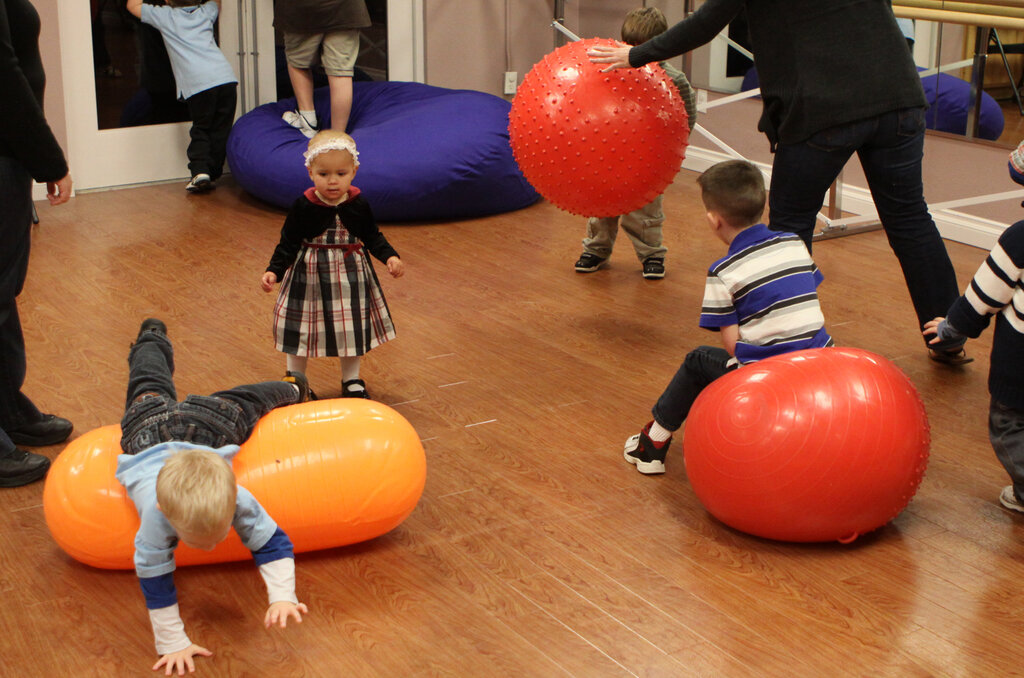
Recognizing the function is key. A defiant child needs clear boundaries and consequences. A sensory-seeking child needs a safe outlet for their physical needs, like a crash pad or designated throwing toys. Punishing a sensory-driven behavior is like punishing someone for sneezing; it's an involuntary response that needs an appropriate outlet, not a penalty.
Ready to test your knowledge? Let's see if you can identify the function behind the behavior.
According to the text, which of the following is NOT one of the four primary functions of behavior?
A child is asked to put on their shoes. They begin to whine and knock over a lamp. The parent, flustered, says, "Fine, I'll do it!" and puts the child's shoes on for them. What was the primary function of the child's behavior?
By learning to analyze the function of behavior, you can respond more effectively and compassionately, addressing the root cause instead of just reacting to the symptom.