Botticelli's Primavera Visual Storytelling
Introduction to Renaissance Art
A World Reborn
The Renaissance wasn't just a period in history; it was a powerful shift in thinking. The very word means "rebirth" in French, and that’s exactly what happened in Europe, especially in Italy, from the 14th to the 16th centuries. After the Middle Ages, there was a renewed fascination with the art, philosophy, and ideals of ancient Greece and Rome.
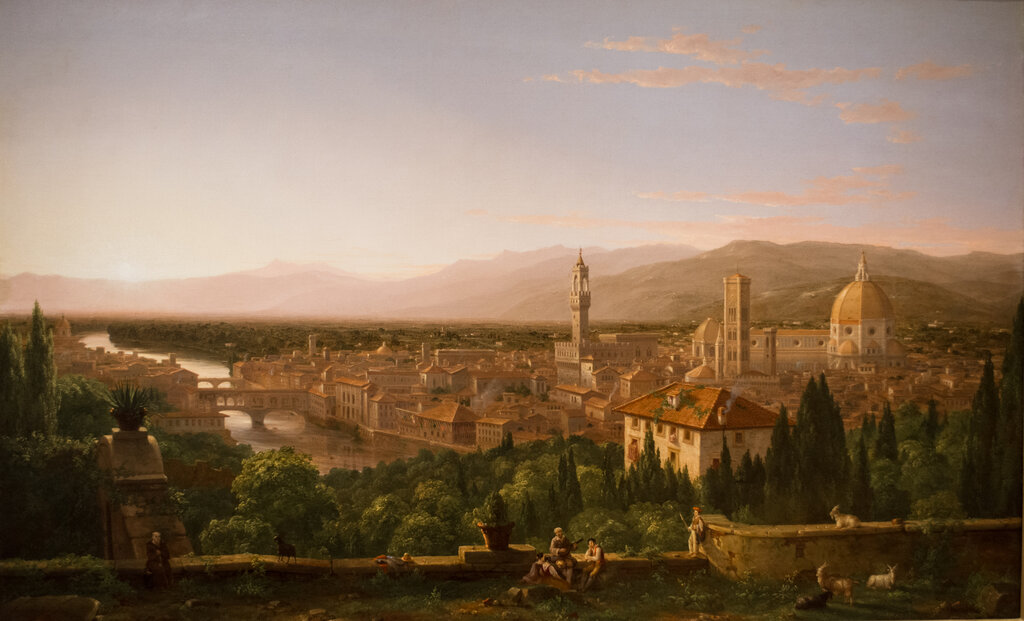
Artists and thinkers looked back to this classical past for inspiration. They wanted to bring back its sense of order, reason, and focus on human experience. This movement began in prosperous city-states like Florence, where wealthy families, such as the Medici, became major patrons of the arts. They funded magnificent paintings, sculptures, and buildings, fueling an explosion of creativity.
Art Becomes Human
So, what makes a Renaissance painting look like a Renaissance painting? A few key ideas changed everything. The biggest was humanism, a philosophy that celebrated human potential and achievement. Instead of focusing solely on the divine and otherworldly, artists began to explore the human experience. Religious figures were still central, but they were depicted in a more relatable, earthly way. They had weight, emotion, and occupied believable spaces.
This led to a new emphasis on realism. Artists studied anatomy to understand how the human body moved. They observed the natural world to paint landscapes that felt real. They also mastered techniques to create a convincing illusion of depth. The most important of these was linear perspective, a mathematical system for arranging objects in space so they appear to recede into the distance.
This rediscovery of classical principles gave artists a new language to work with. They studied ancient sculptures to learn about ideal human proportions and graceful poses, leading to figures that were both lifelike and beautiful.
The Great Masters
The High Renaissance, from about 1490 to 1527, was the peak of this artistic movement. It was dominated by a handful of legendary figures who pushed the boundaries of what was possible.
Leonardo da Vinci was the ultimate "Renaissance man." A painter, scientist, and inventor, his curiosity was boundless. His works, like the Mona Lisa, are famous for their psychological depth and mysterious atmosphere.
Michelangelo was a master of depicting the human form. A sculptor, painter, and architect, he created works of immense power and emotion, from the iconic statue of David to the breathtaking ceiling of the Sistine Chapel.
Raphael was known for his harmony and clarity. His paintings, such as The School of Athens, are celebrated for their balanced compositions and graceful figures, perfectly embodying the Renaissance ideals of order and beauty.
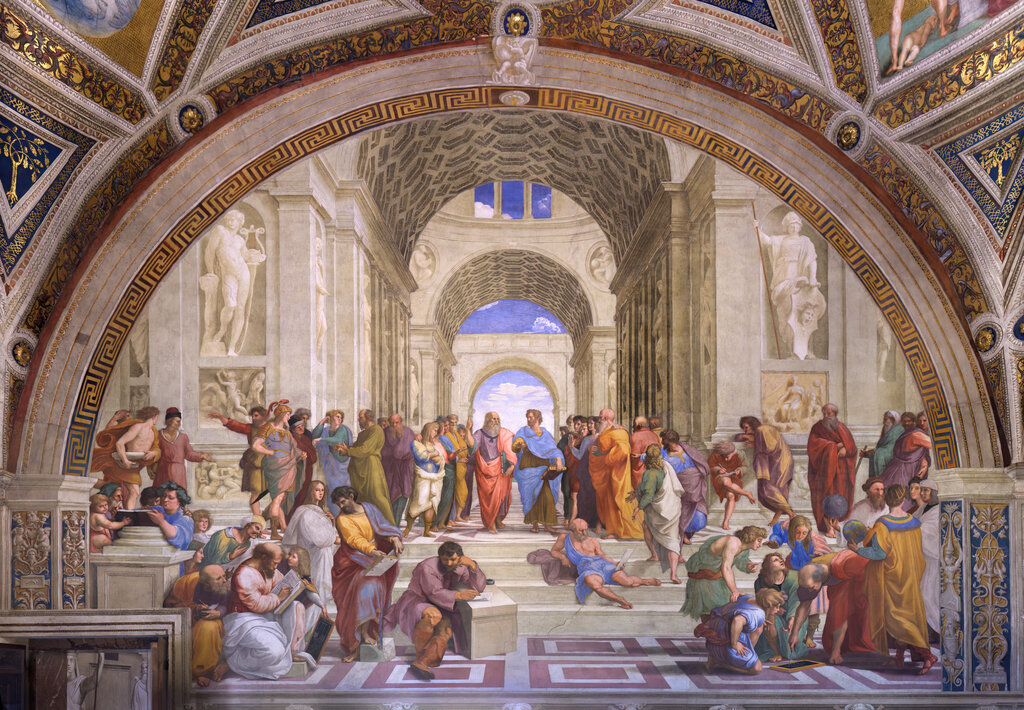
These artists, along with many others, created a legacy that transformed Western art. They established new standards for beauty, realism, and technical skill. It was within this vibrant and innovative world that Sandro Botticelli developed his own unique and unforgettable style.
Ready to check your understanding?
The word "Renaissance" is French for what?
What was the dominant intellectual movement of the Renaissance, which focused on human potential and achievements?
This foundation gives us the context we need to explore the specific world of Sandro Botticelli, an artist who captured the spirit of the Florentine Renaissance in his own distinct way.