Botanical Cousins: The Science and History of Cannabis and Tea
Molecular Synergies
A Shared Chemical Language
Plants don't just produce compounds for basic survival. They also create a vast arsenal of secondary metabolites for defense, attraction, and communication. Cannabis sativa and Camellia sinensis (the tea plant) are masters of this chemical craft. While one is known for cannabinoids and the other for caffeine, their true complexity lies in the sophisticated interplay of hundreds of other molecules.
This interaction is often called the 'entourage effect,' a hypothesis suggesting that the full spectrum of compounds in a plant works in concert, producing effects that are greater than the sum of their isolated parts. It’s the difference between listening to a single instrument and hearing a full orchestra. In both cannabis and tea, this synergy is driven by similar classes of molecules, particularly terpenes and polyphenols.
All plant constituents act in harmony, creating a powerful medicine that is more than the sum of its parts.
This principle suggests that isolating a single 'active' ingredient, like THC or caffeine, may strip away the nuances and balancing effects provided by the plant's other components.
The Terpene Connection
Terpenes are aromatic oils that give plants their distinct scents, from the sharp punch of pine to the sweet perfume of lavender. They are not unique to cannabis or tea; they are abundant throughout the plant kingdom. Interestingly, cannabis and tea share several key terpenes, which contribute not only to their aroma and flavor but also to their overall effects.
| Terpene | Aroma Profile | Found In | Potential Synergistic Role |
|---|---|---|---|
| Myrcene | Musky, earthy, herbal | Cannabis, Tea, Hops, Mango | May enhance cannabinoid permeability across the blood-brain barrier. |
| Limonene | Strong citrus | Cannabis, Tea, Citrus Rinds | Believed to have mood-elevating properties. |
| β-Caryophyllene | Peppery, spicy, woody | Cannabis, Tea, Black Pepper | Uniquely, it can bind to cannabinoid receptors (CB2), potentially modulating inflammation. |
In cannabis, the entourage effect hypothesis posits that terpenes can modulate the psychoactive effects of THC. For instance, myrcene is thought to have a sedating effect that contributes to the relaxing qualities of some cannabis strains. Limonene, with its bright citrus scent, may contribute to a more uplifting experience. Beta-caryophyllene is particularly fascinating because it acts like a cannabinoid itself, binding to the CB2 receptors in the peripheral nervous system, which are involved in regulating inflammation and pain, without causing a psychoactive high.
Polyphenols and Parallel Synergies
Beyond terpenes, both plants produce a rich diversity of polyphenols—a large class of compounds known for their antioxidant properties. In tea, the most famous polyphenols are catechins, particularly epigallocatechin gallate (EGCG). In cannabis, a unique subclass of flavonoids called cannflavins (like Cannflavin A and B) are present.
While structurally different, these compounds play similar synergistic roles in their respective plants.
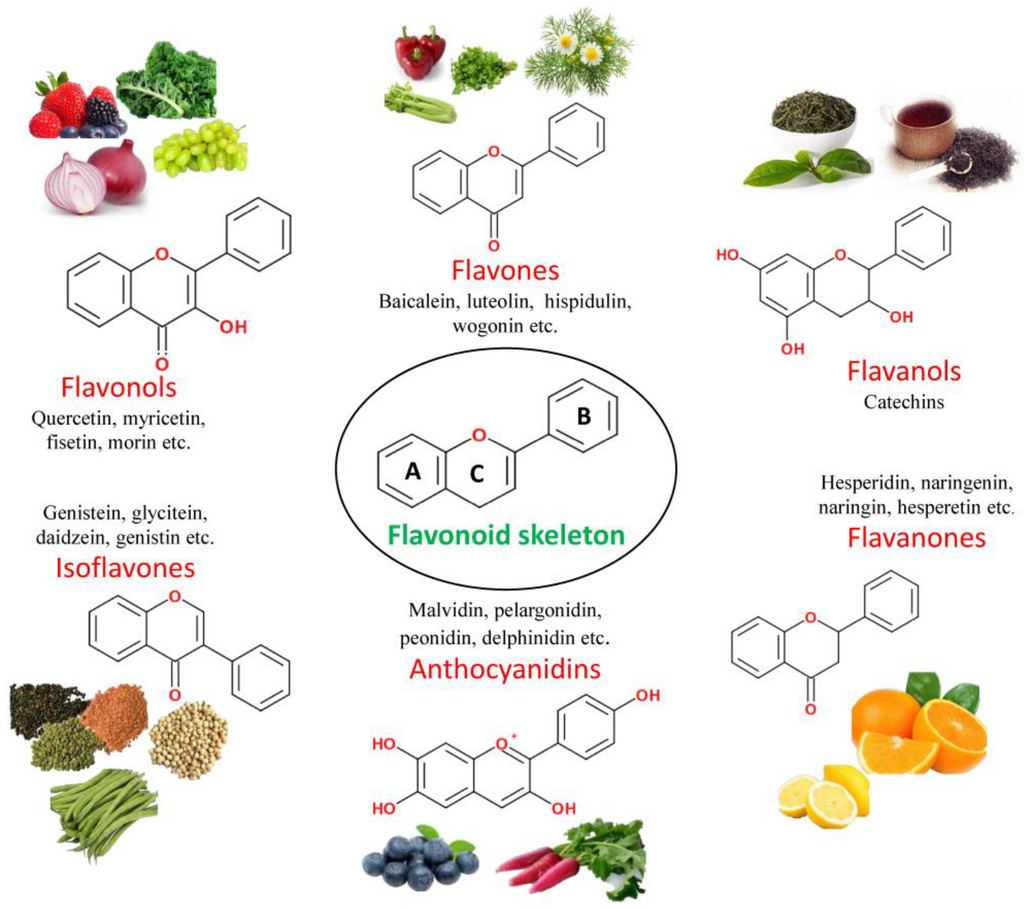
The synergy in tea is a well-studied example. Tea contains both caffeine, a stimulant, and an amino acid called L-theanine. L-theanine promotes relaxation without sedation and is known to smooth out the jittery effects of caffeine, leading to a state of calm alertness. This is a classic example of two compounds working together to create a more balanced effect than either would alone.
Similarly, in cannabis, non-psychoactive cannabinoids like cannabidiol (CBD) are known to modulate the effects of THC. CBD can counteract some of the anxiety or paranoia that high doses of THC can induce. This is analogous to L-theanine's relationship with caffeine. The terpenes and cannflavins further add to this complex interplay, potentially influencing how cannabinoids bind to receptors and are metabolized by the body.
This concept of whole-plant synergy challenges the reductionist approach of single-compound pharmacology. The intricate dance of secondary metabolites in both Camellia sinensis and Cannabis sativa suggests that their true potential is unlocked when these compounds are consumed together, as they have evolved for millennia.
What is the 'entourage effect' hypothesis?
The relationship between L-theanine and caffeine in tea is analogous to the relationship between which two compounds in cannabis?
The study of these molecular interactions opens up a more nuanced understanding of how plants affect us, moving beyond single 'active' ingredients to appreciate the complexity of nature's pharmacy.