Boosting Your VO2 Max
Understanding VO2 Max
What is VO2 Max?
Think of your body as an engine. Like any engine, it needs oxygen to burn fuel and create energy. VO2 max is simply a measure of the maximum amount of oxygen your body can take in and use during intense exercise. It’s the peak performance of your body's engine.
The name itself is a clue. 'V' stands for volume, 'O2' is the chemical symbol for oxygen, and 'max' refers to the maximum rate. So, it’s the maximum volume of oxygen you can consume, measured in milliliters of oxygen used per kilogram of body weight per minute (mL/kg/min).
A higher VO2 max means your body can use more oxygen to generate more ATP—the energy currency of your cells. This allows you to sustain higher-intensity exercise for longer periods.
The Engine Under the Hood
Your VO2 max isn't determined by a single factor. It's the result of a chain of events working together to deliver oxygen from the air you breathe all the way to your hardworking muscles. If any link in this chain is weak, it can limit your overall capacity.
Let’s break down the key physiological components:
-
Cardiac Output: This is the total amount of blood your heart pumps out each minute. It's a product of your heart rate (beats per minute) and your stroke volume (the amount of blood pumped with each beat). A stronger heart has a larger stroke volume, meaning it can push more oxygen-rich blood to the muscles with every contraction.
-
Oxygen Transport: Once the blood leaves the heart, its ability to carry oxygen is crucial. This depends on hemoglobin, a protein in your red blood cells that binds to oxygen in the lungs and transports it throughout the body.
-
Muscle Oxygen Utilization: Finally, when the oxygen-rich blood reaches your muscles, they have to be able to extract that oxygen and use it. This process happens inside the mitochondria, the tiny power plants within your cells. The more mitochondria you have and the more efficient they are, the better your muscles can use the delivered oxygen.
How Is It Measured?
So, how do you find out your personal VO2 max? There are two main approaches: direct laboratory testing and indirect field assessments.
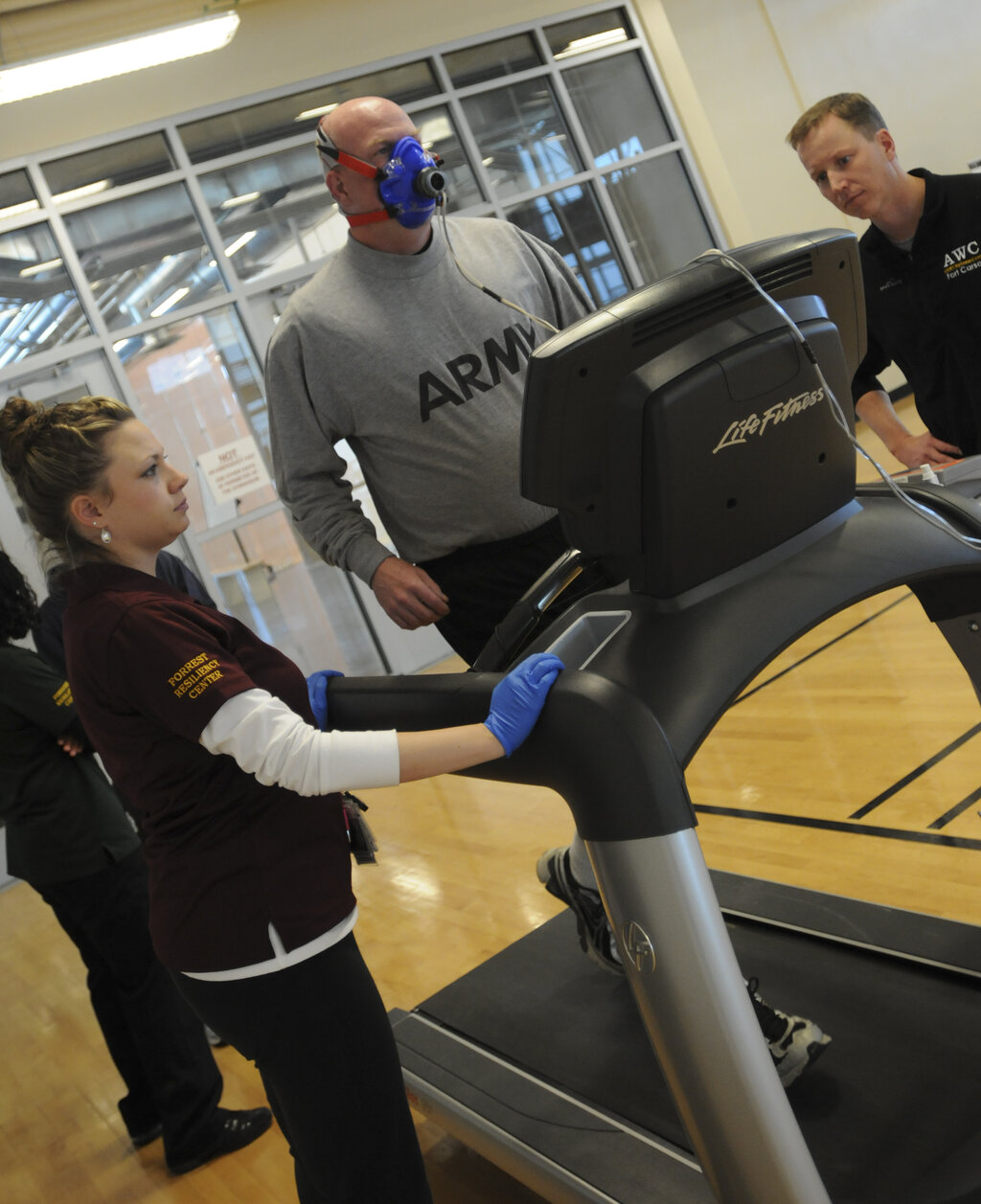
The most accurate method is a direct measurement in a lab. This typically involves running on a treadmill or cycling on a stationary bike while wearing a mask that analyzes your breathing. The intensity of the exercise is gradually increased until you reach your absolute maximum effort. The equipment measures the volume of air you breathe and the concentration of oxygen and carbon dioxide in that air, calculating your oxygen consumption in real-time. The highest value recorded is your VO2 max.
Because lab tests can be expensive and intense, several field tests have been developed to estimate VO2 max. These are less precise but much more accessible. Common examples include:
- The Cooper Test: How far you can run in 12 minutes.
- The Beep Test (Multi-Stage Fitness Test): A series of 20-meter shuttle runs at progressively faster speeds.
- Rockport Walk Test: How long it takes to walk one mile as fast as you can.
These tests use formulas that incorporate your performance (like distance or time), age, and gender to provide a reasonable estimate of your aerobic fitness.
What does VO2 max fundamentally measure?
The total amount of blood your heart pumps per minute is a critical physiological component of VO2 max. What is this factor called?