Boosting Preschooler Speech
Speech and Language Milestones
The Language Explosion
Between the ages of three and five, a child's language skills blossom at an incredible pace. It's a time of rapid growth, where they transform from toddlers with simple phrases into little conversationalists. To understand this journey, it helps to split language into two key areas: receptive language (what they understand) and expressive language (what they can say).
What They Understand
Receptive language is all about how a child processes and comprehends the words they hear. It's the foundation for communication. Before a child can use a word correctly, they first have to understand what it means.
At age three, a child can typically follow two or three-step commands, like "Pick up your toy and put it in the box." They understand simple positional words like in, on, and under. They also recognize their name, the names of their friends, and common objects.
By age four, their comprehension takes a leap forward. They can answer basic "Who?", "What?", and "Where?" questions. They understand most of what is said to them in familiar settings, like at home or preschool. This is the age where they begin to grasp more abstract concepts, though they still think very literally.
At age five, a child is preparing for the more structured learning of school. They can understand words that describe order, such as first, next, and last. They can also follow longer, more complex directions and understand questions that use "Why?" and "How?".
This steady growth in understanding allows children to participate more fully in conversations and follow along with stories and instructions.
What They Can Say
Expressive language refers to how children use words to communicate their wants, needs, and ideas. This is often the most noticeable area of language development.
At age three, a child typically has a vocabulary of several hundred words and can string together three- or four-word sentences. While their grammar isn't perfect, they can make their basic needs known. A stranger might not understand everything they say, but a familiar caregiver usually can.
By age four, sentences grow to four or five words, and their vocabulary expands to over 1,500 words. They become little storytellers, recounting events from their day, though the details might be a bit jumbled. They are famous for asking lots of questions! Their speech becomes much clearer and is usually understood by most listeners, even strangers.
At age five, children are using longer and more complex sentences, sometimes with connecting words like "and," "but," or "because." Their vocabulary is well over 2,000 words. They can explain how to do things, use future tense ("We will go to the park tomorrow"), and retell a story with a clear beginning, middle, and end.
| Age | Typical Vocabulary | Typical Sentence Length | Key Feature |
|---|---|---|---|
| 3 | ~1,000 words | 3-4 words | Asks "what" and "where" questions. |
| 4 | 1,500+ words | 4-5 words | Tells simple stories and asks "why." |
| 5 | 2,000+ words | 5+ words | Uses future tense; explains how to do things. |
It's important to remember that these milestones are just general guidelines. Every child develops at a slightly different pace.
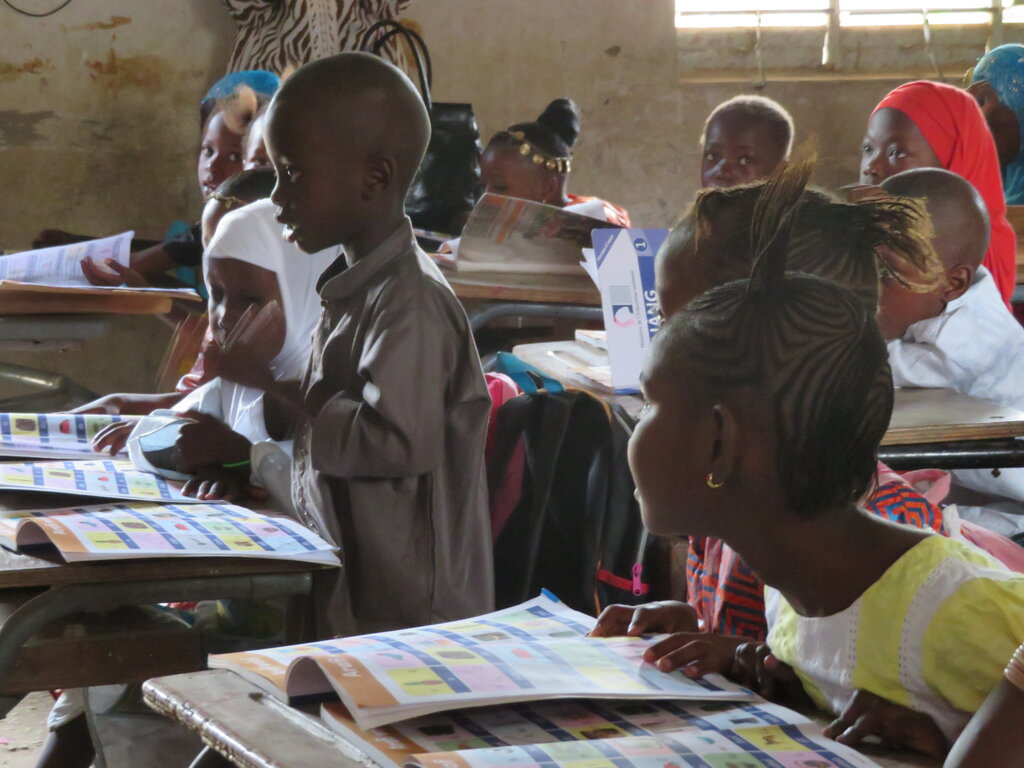
Recognising these milestones is essential because they offer a roadmap for tracking a child's progress and identifying potential delays early on.
Paying attention to how a child understands and uses language helps paint a full picture of their development. If you ever have concerns, speaking with a pediatrician or a speech-language pathologist is always a good idea.
Which of the following demonstrates a typical receptive language skill for a three-year-old?
A child says, 'I goed to the park and I seed the ducks.' This sentence structure and vocabulary size is most characteristic of which age?
This period from three to five is a whirlwind of words. By engaging with them, reading to them, and simply talking through your day, you provide the fuel for this incredible language explosion.