Boost Your Personal Cybersecurity
Understanding Cyber Threats
Understanding Digital Dangers
Cyber threats are malicious acts designed to steal your data, damage your devices, or disrupt your digital life. While some attacks involve complex code, many of the most common threats are surprisingly simple. They often rely on tricking you into making a mistake, like clicking a bad link or giving away sensitive information.
Understanding how these threats work is the first and most important step in protecting yourself online.
Malware The Digital Sickness
Malware, short for malicious software, is a general term for any software created to cause harm. Think of it like a biological illness for your computer. It can slow down your device, steal personal information, or lock you out of your own files. Malware comes in several common forms.
malware
noun
Software intentionally designed to cause disruption to a computer, server, client, or computer network, leak private information, gain unauthorized access to information or systems, deprive users access to information or which unknowingly interferes with the user's computer security and privacy.
Viruses need a host to spread, much like a biological flu virus needs a person. They attach themselves to legitimate files or programs. When you run the infected program, you activate the virus, which can then corrupt files and spread to other programs on your computer.
Worms are more independent. Once a worm gets into a system, it can travel across networks all by itself, actively seeking out other vulnerable devices to infect. It doesn't need to attach to a program; it's a standalone threat that wriggles through security holes.
Ransomware is a particularly nasty form of malware that acts like a digital kidnapper. It encrypts your personal files—photos, documents, and videos—making them completely inaccessible. The attackers then demand a ransom payment, usually in cryptocurrency, in exchange for the key to unlock your files.
Phishing and Social Engineering
Many cyberattacks don't start with a technical flaw. They start with a human one. Social engineering is the art of manipulating people into giving up confidential information. The attacker's goal is to trick you into breaking normal security procedures.
Social engineering is less about hacking code and more about hacking people.
The most common form of social engineering is phishing. Phishing attacks use fake emails, text messages, or websites to fool you into handing over personal details like passwords, credit card numbers, or bank account information.
These messages often look legitimate. They might appear to be from your bank, a social media site, or even a government agency. Here are a few signs that an email might be a phishing attempt:
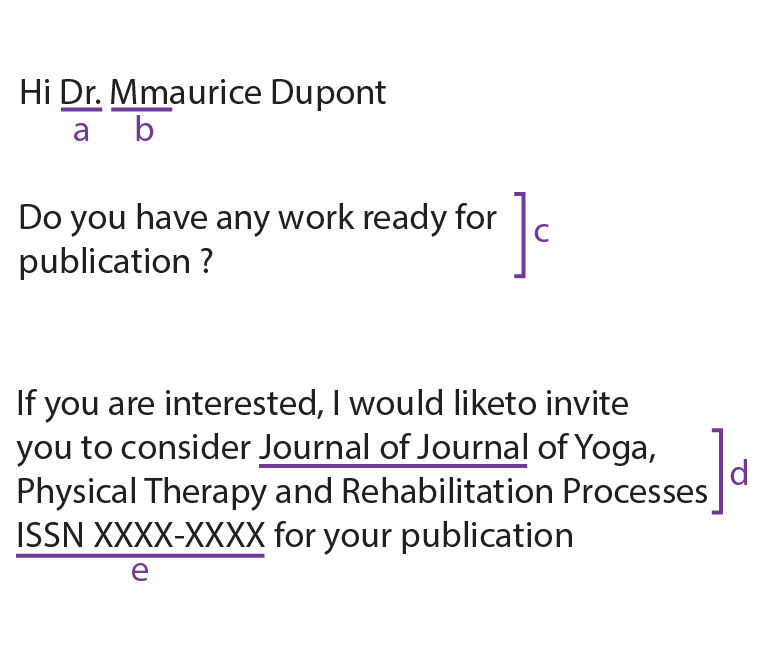
| Red Flag | Description |
|---|---|
| Sense of Urgency | The message pressures you to act immediately, claiming your account is locked or a payment is overdue. |
| Generic Greetings | Instead of using your name, it says "Dear Customer" or "Valued Member." |
| Suspicious Links | Hover over a link before clicking. The destination URL might look strange or be misspelled. |
| Poor Grammar | Legitimate companies usually have professional editors. Phishing emails often have typos and awkward phrasing. |
| Unexpected Attachments | Never open an attachment you weren't expecting, even if it seems to be from someone you know. It could contain malware. |
These tactics also appear in common online scams. You might see a pop-up ad claiming you've won a prize, a message from a "friend" on social media with a strange request for money, or a fake technical support warning telling you to call a number to fix a non-existent virus.
What is the key difference between a computer virus and a worm?
The art of manipulating people into giving up confidential information, such as passwords or bank details, is known as what?
By learning to recognize these threats, you can avoid becoming a victim and keep your digital life secure.