Boost Your Online Shop Visibility
Optimizing Product Titles
Crafting the Perfect Product Title
Your product title is often the first thing a potential customer sees. It's your digital handshake, your storefront sign, and your elevator pitch all rolled into one. A great title does two things: it tells search engines what you're selling, and it tells humans why they should care. Getting this balance right is key to getting noticed and making sales.
The Power of Keywords
Think of keywords as the specific words and phrases customers type into a search bar. If you're selling a handmade leather wallet, keywords might include "leather wallet," "men's bifold," or "minimalist card holder."
Including these terms in your product title helps search engines connect your product with the people actively looking for it. The goal is to think like your customer. What words would they use? Your title should answer their unspoken question.
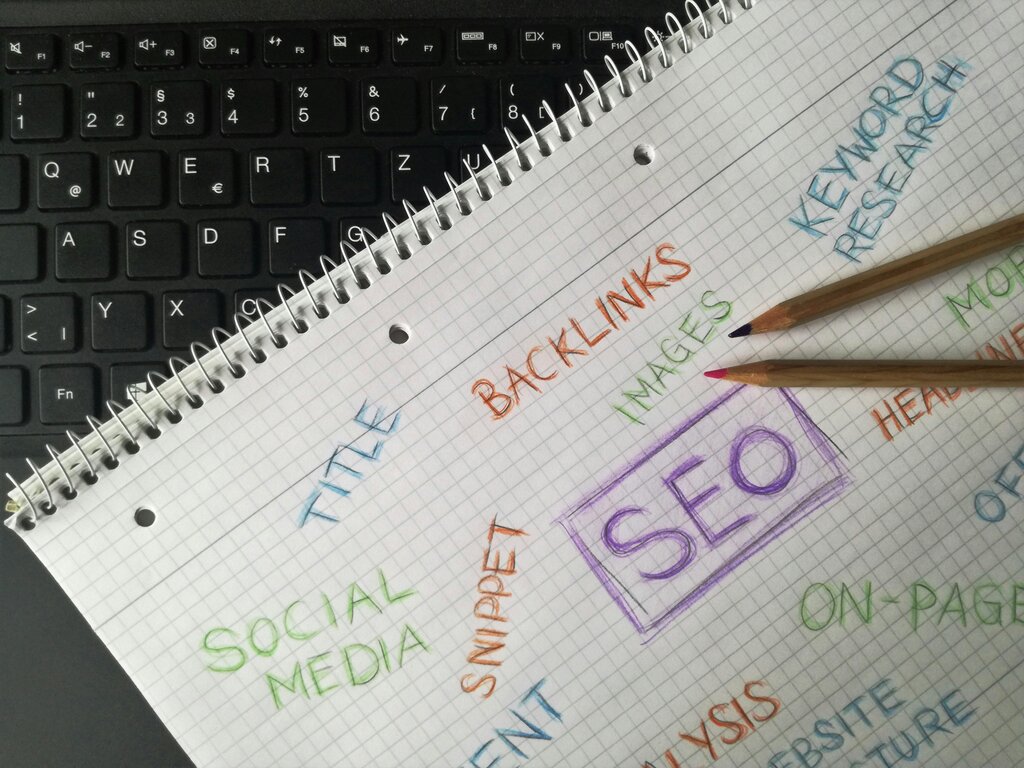
For example, instead of a simple title like "Red T-Shirt," a more effective title would be "Men's Red Cotton T-Shirt - Size Large." This version includes key details—gender, color, material, and size—that customers are likely to search for. It’s specific, informative, and packed with relevant keywords without feeling forced.
With SEO, you include keywords strategically in product details to help a listing match relevant search terms and provide customers with the information they’re looking for.
Clarity Over Clutter
While keywords are essential, they aren't everything. Your title must also be clear, concise, and easy for a human to read. Jamming too many keywords into a title, a practice known as "keyword stuffing," can make your listing look spammy and untrustworthy.
For example, a bad title might look like this: "Red T-Shirt Shirt Top Tee Cotton Best Cheap Sale Free Shipping."
This is confusing for customers and can actually hurt your search ranking. Search engines are smart; they prioritize content that is helpful to users. A clear, descriptive title will always perform better than a jumbled list of keywords.
A good rule of thumb: If it sounds unnatural to a human, it's probably bad for SEO too.
Finally, ensure every product has a unique title. If you sell the same t-shirt in five different colors, don't use the exact same title for each one. Differentiate them by including the color, like "Men's Cotton T-Shirt - Forest Green" and "Men's Cotton T-Shirt - Navy Blue."
This helps search engines understand that these are distinct products, preventing them from being flagged as duplicate content, which can negatively impact your visibility.
Ensure all of your product titles and descriptions are completely unique to avoid duplicate content issues.
Ready to test your knowledge on crafting effective product titles? Let's see what you've learned.
What are the two primary functions of a well-crafted product title?
Which of the following product titles is an example of "keyword stuffing"?
By focusing on clear, keyword-rich, and unique titles, you set your products up for success in a crowded marketplace.