Boost Your Metabolism
Metabolism Basics
Your Body's Engine
Metabolism is the sum of all chemical reactions that happen inside your body to keep you alive. Think of it as a bustling city that never sleeps. This city needs to generate power, build new structures, clear away waste, and transport materials. Your metabolism handles all these jobs on a cellular level.
Every function, from breathing and thinking to digesting food and moving your muscles, is powered by these metabolic processes. It's a constant, complex dance of chemistry that converts the food and drink you consume into the energy your body needs.
Building Up and Breaking Down
Metabolism isn't just one process. It's a delicate balance between two opposing, yet connected, activities: anabolism and catabolism.
Anabolism builds things up. Catabolism breaks things down.
Anabolism is the constructive part of metabolism. It takes small, simple molecules and builds them into larger, more complex ones. This process requires energy. Think of it like a construction crew using bricks and mortar to build a house. Building muscle tissue from proteins or storing glucose as glycogen in your liver are classic examples of anabolism.
Anabolism
noun
The set of metabolic pathways that construct molecules from smaller units. These reactions require energy.
Catabolism is the flip side. It's the destructive part of metabolism, where large, complex molecules are broken down into smaller, simpler ones. This process releases energy. When you digest food, catabolism breaks down carbohydrates into simple sugars, fats into fatty acids, and proteins into amino acids. This breakdown unlocks the energy stored in the food.
Catabolism
noun
The set of metabolic pathways that breaks down molecules into smaller units to release energy.
The Energy Currency
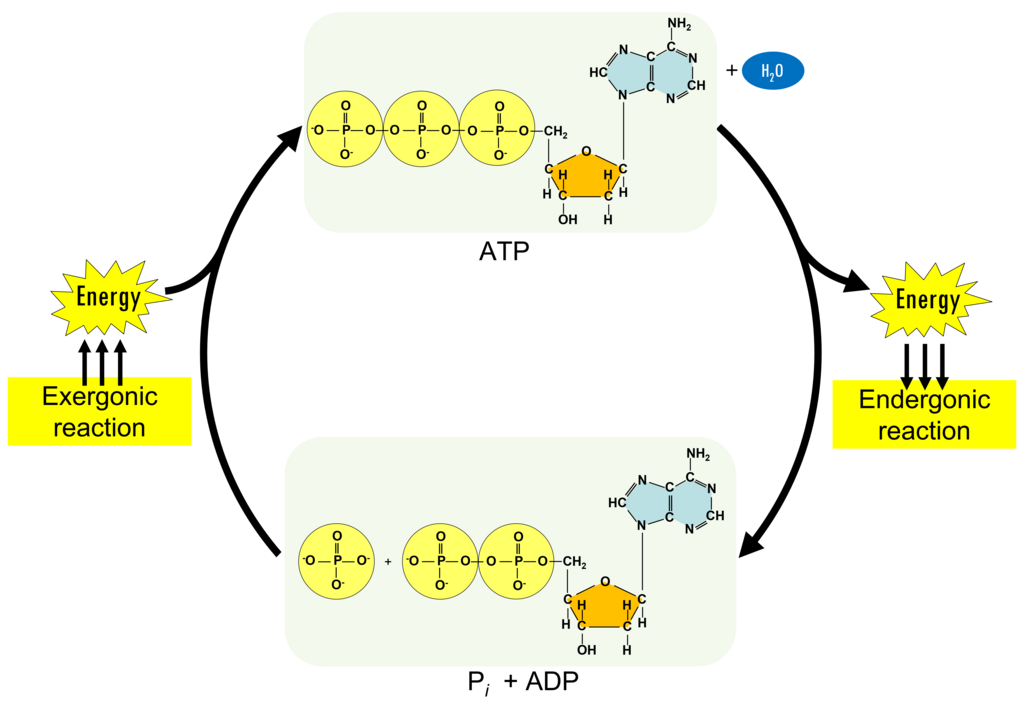
So catabolism releases energy, and anabolism uses it. But how is this energy transferred? The main energy carrier in your cells is a molecule called adenosine triphosphate, or ATP. You can think of ATP as the rechargeable battery that powers all cellular activities.
When catabolic reactions break down food, the energy released is used to charge up ADP (adenosine diphosphate) into ATP. The ATP molecule then travels to wherever energy is needed, such as a muscle cell that needs to contract. There, it releases its stored energy by breaking back down into ADP, and the cycle begins again. This constant recycling of ATP powers everything you do.
Why Metabolism Matters for Health
A healthy metabolism is all about balance. Your body is constantly fine-tuning its anabolic and catabolic processes to meet your needs. This regulation is essential for maintaining a stable internal environment, a state known as homeostasis.
When you're healthy and well-fed, these processes are in harmony. You break down enough nutrients to supply energy for repair, growth, and daily activities. For example, after a workout, your body ramps up anabolism to repair and build muscle tissue, using the energy supplied by catabolism.
If this balance is disrupted, it can affect your health. An imbalance where breakdown consistently outpaces buildup can lead to muscle wasting and a weakened immune system. Conversely, when buildup consistently exceeds the body's needs, it can lead to conditions like obesity. Understanding this fundamental balance is the first step to appreciating the role metabolism plays in your overall well-being.