Boost Your Furnace Efficiency
Combustion and Heat Transfer
The Fire Within
At the heart of your furnace is a carefully controlled fire. This process, called combustion, is a chemical reaction that releases energy in the form of heat. For it to happen, three things must be present: fuel, oxygen, and a source of ignition or heat. You might know this as the "fire triangle."
In most residential furnaces, the fuel is natural gas. The oxygen comes from the surrounding air. An igniter provides the initial spark or heat to start the reaction. Once it begins, the process is self-sustaining as long as fuel and air are supplied.
When natural gas burns completely, it combines with oxygen to produce three things: heat, water vapor, and carbon dioxide. The heat is what we want, while the water vapor and carbon dioxide are waste products that must be safely vented out of your home.
This simple triangle explains why a furnace won't operate if the gas is shut off (no fuel) or if the air intake is blocked (not enough oxygen).
The Great Exchange
The powerful heat generated by combustion would be useless if it couldn't be safely transferred to the air in your home. That's the job of the heat exchanger. Think of it as the gatekeeper between the fire and your living space.
A heat exchanger is typically a set of metal tubes or chambers. The hot, toxic exhaust gases from the combustion process flow inside these tubes, heating the metal to a very high temperature. The key here is containment. These gases, which include carbon dioxide and potentially dangerous carbon monoxide, are kept completely separate from the air you breathe.
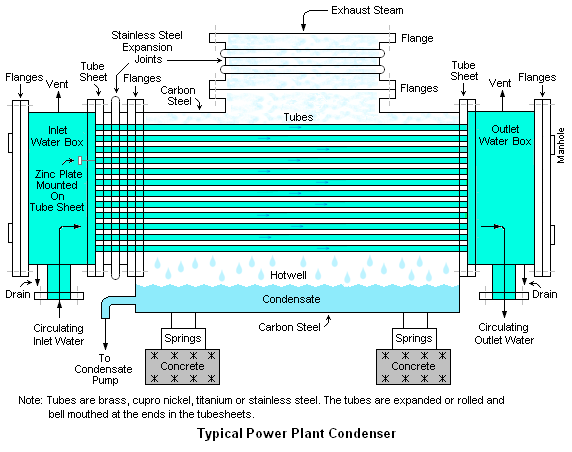
If a heat exchanger cracks, these combustion byproducts can leak into your home's air supply. This is why regular furnace inspections are so important. A properly functioning heat exchanger is critical for both efficiency and safety.
Spreading the Warmth
Once the heat exchanger is hot, the final step is to distribute that heat. This is where airflow comes in. A large fan, called a blower, kicks on. It pulls cooler air from your house through return ducts and pushes it across the outside surfaces of the hot heat exchanger.
As the air passes over the metal, it absorbs the heat through a process called convection. It’s similar to how a hairdryer works, blowing air over a hot element to create a stream of warm air. This newly heated air is then pushed through your home's ductwork and out of the vents in each room, raising the temperature.
This entire system relies on the three primary modes of heat transfer:
- Conduction: Heat moving through the solid metal walls of the heat exchanger.
- Convection: The movement of heat through the air, both from the blower and within the rising hot gases inside the exchanger.
- Radiation: Heat energy radiating off the hot surfaces of the furnace components.
Proper airflow is crucial. If airflow is restricted by a dirty filter or blocked vents, the furnace can't effectively transfer heat to the air. The heat exchanger can overheat, causing the furnace to shut down for safety or even leading to long-term damage.
Let's review these core concepts.
According to the fire triangle, which three things are required for combustion to occur in a furnace?
What is the primary safety function of a furnace's heat exchanger?
Understanding how your furnace creates and moves heat is the first step in recognizing how it can lose efficiency. A breakdown in any of these basic steps, from the initial combustion to the final airflow, can lead to wasted energy and a colder home.