Boost Your Credit Score for Better Loan Rates
Understanding Credit Scores
What Is a Credit Score?
Think of a credit score as a financial report card. It's a three-digit number that summarizes your history of borrowing and repaying money. Lenders, from credit card companies to mortgage providers, use this score to get a quick snapshot of how risky it might be to lend you money. A higher score suggests you're more likely to pay back your debts on time.
credit score
noun
A number between 300 and 850 that represents a consumer's creditworthiness. The higher the score, the better a borrower looks to potential lenders.
This number isn't pulled out of thin air. It’s calculated using information from your credit reports, which are detailed records of your financial life. Three major credit bureaus—Equifax, Experian, and TransUnion—collect this data. They then use scoring models, like FICO or VantageScore, to turn that complex history into a single, easy-to-understand number.
Your credit score affects not only the interest rates you’re offered on debt but also your ability to get approved for a mortgage and other loans.
The Five Ingredients
A credit score is like a recipe with five main ingredients, each with a different weight. Understanding them helps you see what lenders value most.
First and foremost is your payment history. This is the single biggest factor, making up about 35% of your score. It simply tracks whether you've paid past credit accounts on time. A consistent record of on-time payments is the best way to show lenders you're a reliable borrower. A late payment, especially a recent one, can significantly lower your score.
Payment history is the most significant factor affecting your credit score, accounting for 35% of your FICO score.
Next up is amounts owed, which accounts for roughly 30%. This isn't just about how much debt you have, but how much you owe compared to your total available credit. This is called your credit utilization ratio. If you have one credit card with a $10,000 limit and a $2,000 balance, your utilization is 20%. Lenders see low utilization as a sign that you aren't overextended.
The other three factors have less impact but are still important.
-
Length of credit history (15%): A longer credit history generally improves your score. It gives lenders more data to see how you've managed credit over time.
-
Credit mix (10%): Lenders like to see that you can responsibly manage different types of credit, like credit cards (revolving credit) and an auto loan or mortgage (installment loans).
-
New credit (10%): This looks at how many new accounts you've opened recently and how many times you've applied for credit. Opening several new accounts in a short period can be a red flag.
Why It Matters
Your credit score is a key that unlocks financial opportunities. When you apply for a loan—whether it's for a car, a house, or a small business—lenders will almost always check your credit score. It's one of the first things they look at to decide whether to approve your application.
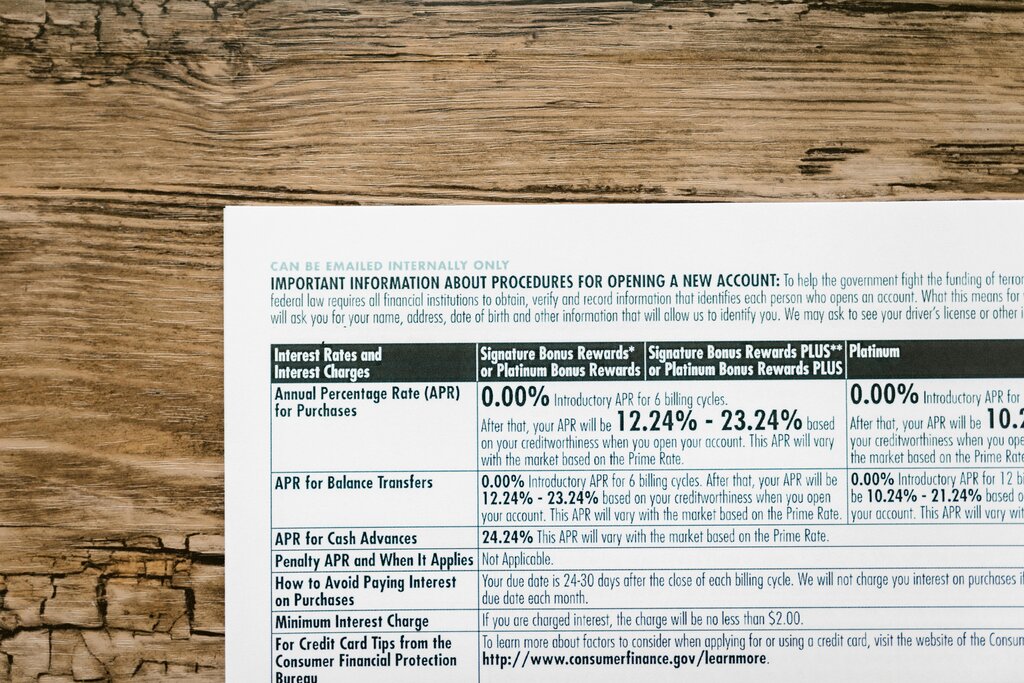
But it doesn't stop at a simple yes or no. The score also heavily influences the terms you're offered, especially the interest rate. A high credit score can qualify you for a lower interest rate, which can save you thousands of dollars over the life of a loan. For example, on a 30-year mortgage, even a small difference in the interest rate can mean a significantly lower monthly payment and a much lower total cost.
Think of it this way: a good score shows you're a low-risk borrower, so lenders compete for your business with better terms. A lower score means you're seen as higher risk, leading to higher interest rates to offset that risk.
Understanding what goes into your score is the first step toward managing your financial health. It empowers you to see your finances the way lenders do.