Boost Your Credit Score
Understanding Credit Scores
What Is a Credit Score?
Think of a credit score as a financial report card. It's a three-digit number, typically between 300 and 850, that tells lenders how likely you are to pay back borrowed money. This score is generated from the information in your credit reports, which track your borrowing and repayment history.
Why does this number matter so much? Lenders, from credit card companies to mortgage providers, use it to make quick decisions. A higher score suggests you're a lower-risk borrower, which can unlock better interest rates and terms. When you apply for a car loan, an apartment, or a mortgage, your credit score is one of the first things they'll check.
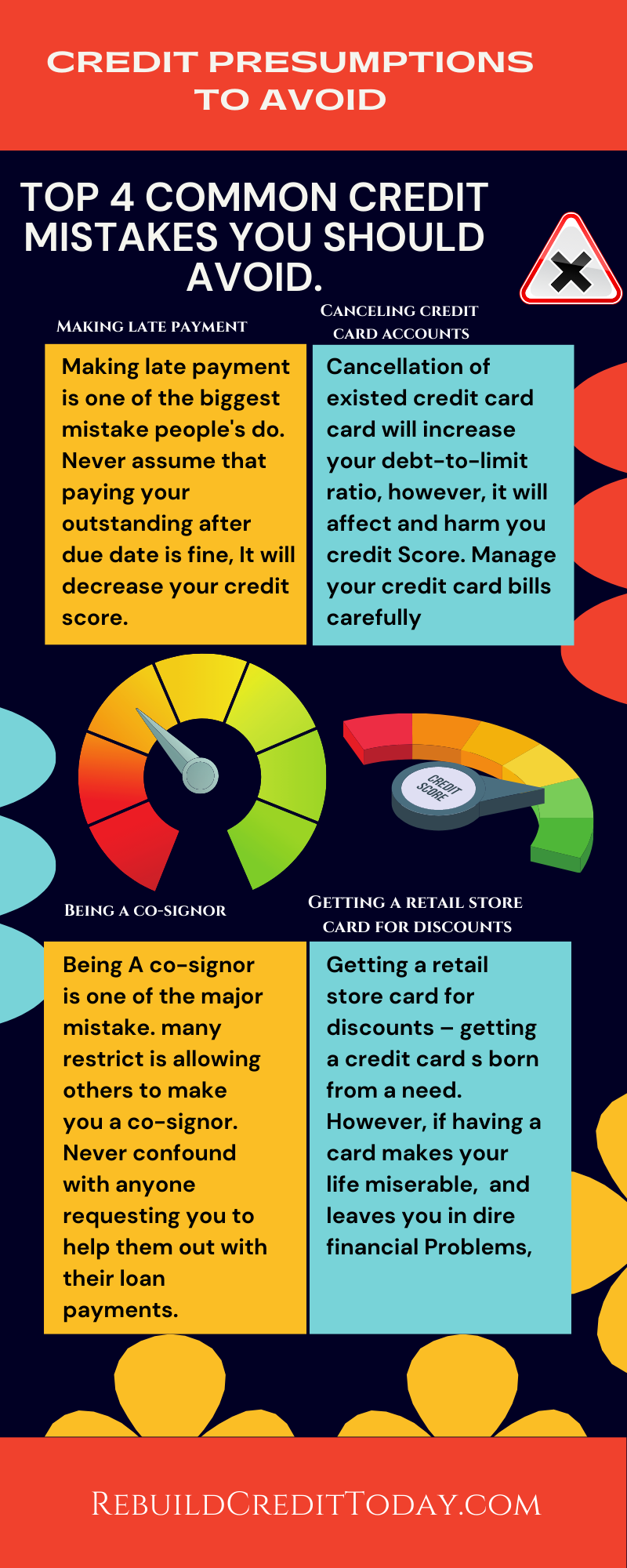
A good score can save you thousands of dollars over the life of a loan. It's a powerful tool in your financial life, influencing major decisions and opportunities.
The Five Big Factors
Credit scores aren't random. They're calculated using a specific recipe, with five main ingredients. While the exact formulas used by scoring models like FICO and VantageScore are secret, they all weigh these five factors.
The five factors are: payment history, credit utilization, length of credit history, credit mix, and new credit.
Let's break down each one. The most important is your payment history. It's simple: do you pay your bills on time? Every late payment, from 30 days past due to more serious defaults, can lower your score. It’s the single biggest indicator of your financial reliability.
Your payment history is the most important factor in your credit score, accounting for about 35% of your total score.
Next up is credit utilization, which makes up about 30% of your score. This measures how much of your available credit you're using. If you have a credit card with a $10,000 limit and a $5,000 balance, your utilization is 50%. Lenders generally prefer to see this ratio below 30%, as a high number might suggest you're overextended.
Third is the length of your credit history, accounting for 15%. A longer history gives lenders more data to assess your behavior. This factor considers the age of your oldest account, your newest account, and the average age of all your accounts combined. Generally, older is better.
Your credit mix contributes about 10% to your score. Lenders like to see that you can responsibly manage different types of credit. This includes revolving credit (like credit cards) and installment loans (like mortgages or car loans). You don't need every type, but a healthy mix shows you're a versatile borrower.
Finally, new credit also accounts for 10%. This looks at how often you're applying for and opening new accounts. Opening several new accounts in a short period can be a red flag, as it might signal financial trouble. Each application for new credit typically results in a "hard inquiry," which can temporarily dip your score by a few points.
Understanding Score Ranges
Credit scores are sorted into ranges that tell lenders your general creditworthiness. While the exact boundaries can vary slightly between scoring models, they follow a similar pattern.
| Score Range | Category | What it Means for Lenders |
|---|---|---|
| 800-850 | Exceptional | You are a very low-risk borrower. You'll likely qualify for the best interest rates and terms. |
| 740-799 | Very Good | You are a dependable borrower. You can expect very competitive interest rates from lenders. |
| 670-739 | Good | You are an acceptable borrower. Most lenders will approve your loans, but maybe not at the lowest rates. |
| 580-669 | Fair | You are a subprime borrower. You may find it harder to get approved for loans, and you'll likely pay higher interest rates. |
| 300-579 | Poor | You are a high-risk borrower. Securing credit will be very difficult. |
Knowing where you stand helps you understand what to expect when you apply for credit. Lenders use these categories to quickly assess risk and determine what kind of offer, if any, to make you. A score in the "Good" range is a solid starting point for most financial goals, including qualifying for a mortgage.
Now, let's test your knowledge on the fundamentals of credit scores.