Boost Your Brainpower
Understanding Brain Health
Your Brain's Command Center
Your brain is the most complex organ in your body, acting as a command center for everything you think, feel, and do. It constantly receives information from your senses, processes it, and sends out instructions to the rest of your body. Understanding its basic structure helps us appreciate how it all works.
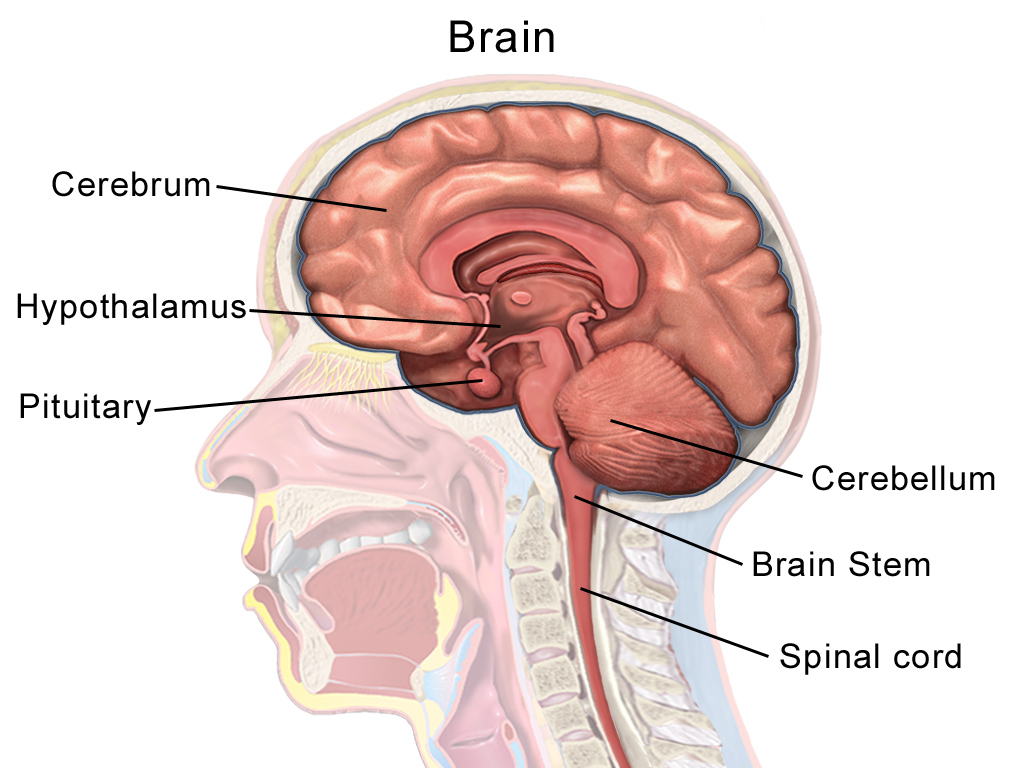
The brain is broadly divided into three main parts:
- Cerebrum: This is the largest part of the brain, responsible for higher-level functions like thought, language, and voluntary movement. It's split into two hemispheres, right and left.
- Cerebellum: Located at the back of the brain, the cerebellum is crucial for coordinating movement, balance, and posture.
- Brain Stem: This connects the cerebrum and cerebellum to the spinal cord. It controls essential automatic functions like breathing, heart rate, and sleep cycles.
The cerebrum itself is further divided into four lobes, each specializing in different tasks. Think of them as different departments within a large company, all working together.
| Lobe | Primary Functions |
|---|---|
| Frontal | Problem-solving, planning, decision-making, personality |
| Parietal | Processing sensory information like touch, temperature, and pain |
| Temporal | Hearing, memory, understanding language |
| Occipital | Processing visual information from the eyes |
The Malleable Mind
For a long time, scientists believed the brain was a fixed, unchanging organ after childhood. We now know this isn't true. The brain has a remarkable ability to change and adapt throughout your life, a quality known as neuroplasticity.
Imagine your brain's neural pathways as trails in a forest. The more you use a specific trail (a thought or skill), the wider and more established it becomes. If you stop using it, the trail can become overgrown. Neuroplasticity is the process of carving new trails and reinforcing existing ones.
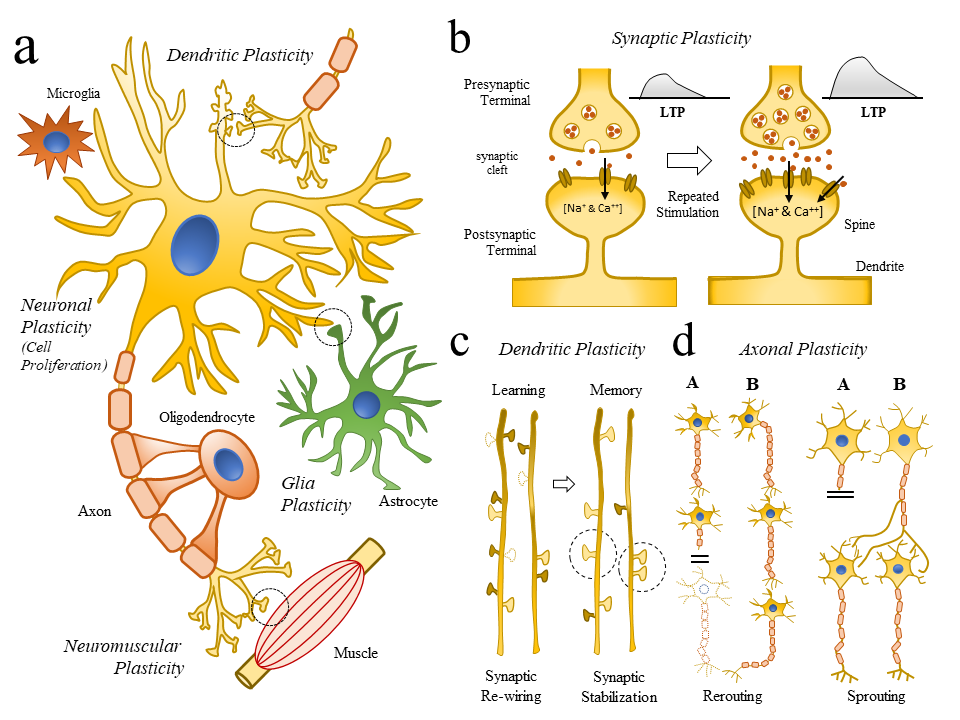
This ability to reorganize is fundamental to learning and memory. Every time you learn a new fact or skill, you are physically changing your brain's structure. It's also how the brain can recover from injury, allowing healthy areas to take over the functions of damaged ones. This isn't a magical process; it requires repetition and practice to build and strengthen these new connections.
Your brain isn't set in stone. It's a dynamic, adaptable network that you can actively shape through your experiences and actions.
Brain Health Saboteurs
Just as the brain can be strengthened, it can also be weakened. Several common lifestyle factors can impair its health and function. Understanding these saboteurs is the first step toward protecting your cognitive well-being.
Chronic stress is a major culprit. When you're constantly stressed, your body is flooded with the hormone cortisol. Over time, high levels of cortisol can damage cells in the hippocampus, a brain region critical for learning and memory. This can lead to brain fog, difficulty concentrating, and memory problems.
Your diet also plays a huge role. The brain is an energy-intensive organ, consuming about 20% of the body's calories. It needs a steady supply of high-quality fuel to function optimally. A diet high in processed foods, sugar, and unhealthy fats can promote inflammation and oxidative stress, which harms brain cells. Conversely, foods rich in antioxidants and omega-3 fatty acids, like those found in fish and nuts, help protect the brain.
Finally, a sedentary lifestyle is detrimental to brain health. Physical activity isn't just for your body; it's essential for your mind. Exercise increases blood flow to the brain, delivering more oxygen and nutrients. It also stimulates the release of factors that support the growth of new neurons and the formation of new connections between them.
Regular Exercise: Boosts blood flow, supports neuron growth, and enhances cognitive abilities.
By understanding the brain's basic anatomy, its capacity for change, and the factors that harm it, you're better equipped to maintain your cognitive health for years to come.