Boost Reading Comprehension
Active Reading Techniques
Reading Isn't Passive
Most of us read passively. We let our eyes drift across the page, hoping the information will just sink in. But often, it doesn't. We finish a chapter and can't remember what it was about. Active reading turns this process on its head. It’s a conversation with the text, not a lecture from it.
Active reading is more than just reading a text; it is a reading technique that helps you engage with the material you are reading.
Instead of simply receiving information, you’ll question it, connect with it, and make it your own. Let's explore a few simple techniques to get started.
Start with Questions
Curiosity is the engine of learning. Before you even read the first sentence, start asking questions. This primes your brain for what’s to come.
Before you read: Look at the title, headings, and any images. Ask yourself: What do I already know about this topic? What do I expect to learn? What questions do I want this text to answer?
While you read: Don't just accept what's written. Question it. Is this making sense? What is the author's main point here? How does this connect to what I read earlier? If you encounter a confusing idea, pause and rephrase the question: "What is this paragraph trying to tell me?"
After you read: The conversation isn't over when you reach the last page. Ask: What were the most important takeaways? What did I find surprising or confusing? What's one thing I want to remember from this?
Summarize and Annotate
Reading without a pen in your hand is like exploring without a map. Annotating—or marking up the text—is how you record your conversation. This isn't about highlighting everything. It's about being selective.
Underline key arguments. Circle words you don't know. Use the margins to jot down your reactions, questions, and connections. A simple question mark next to a confusing sentence or an exclamation point beside a surprising fact makes the text yours.
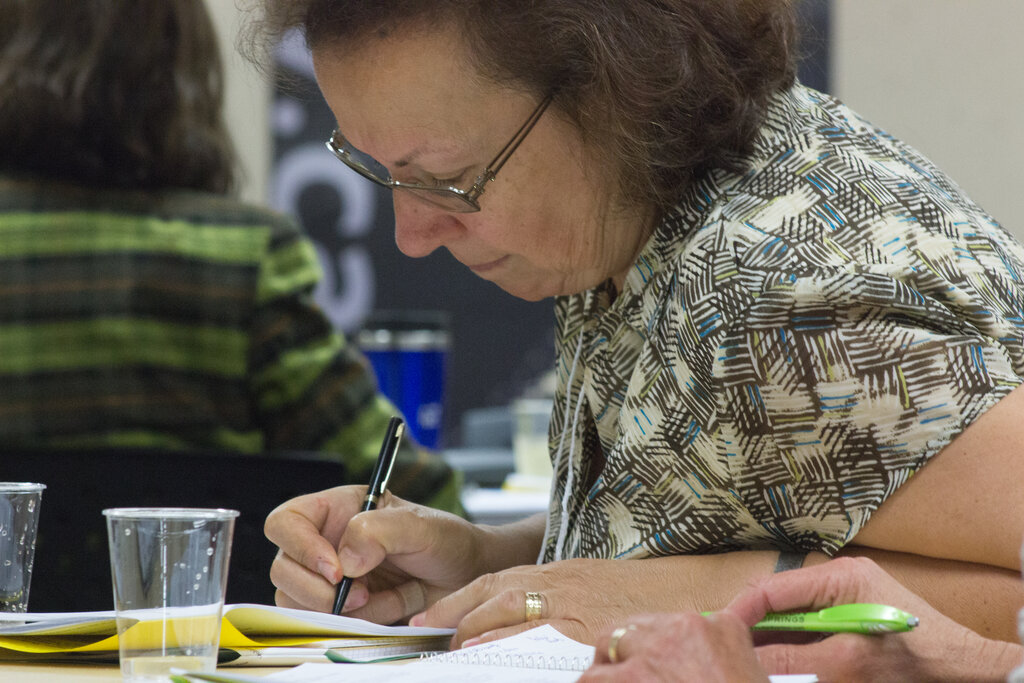
Summarizing goes hand-in-hand with annotating. After reading a section, pause and try to explain its main idea in a single sentence, using your own words. If you can't, you probably haven't fully understood it yet. This is a quick self-check that forces your brain to process and condense the information.
For example, after reading a dense paragraph about photosynthesis, your summary note in the margin might be as simple as: "Plants use sunlight to turn CO2 and water into food (sugar)." This act of translation moves the concept from the author's words into your own understanding.
Don't just copy the text. Rephrase ideas in your own words. This is where real learning happens.
These techniques—questioning, annotating, and summarizing—transform reading from a passive chore into an active, engaging process. You’ll not only understand more, but you’ll remember it for longer.