Boost Productivity with AI
Introduction to AI in Productivity
What Is AI Anyway?
At its heart, Artificial Intelligence (AI) is about creating systems that can perform tasks that normally require human intelligence. This includes things like learning from experience, understanding language, recognizing patterns, and making decisions.
Think of it like teaching a computer to think. Instead of giving it a rigid set of instructions for every single possibility, you give it the ability to learn and adapt on its own. This is made possible by three key ingredients: data, algorithms, and computing power.
- Data is the information the AI learns from. It can be text, images, numbers, or sounds. The more data an AI has, the better it gets at its task.
- Algorithms are the recipes or sets of rules that process the data. They tell the AI how to find patterns and make predictions.
- Computing power is the engine that runs the algorithms and processes the vast amounts of data. Advances in computer hardware have been a huge driver of modern AI.
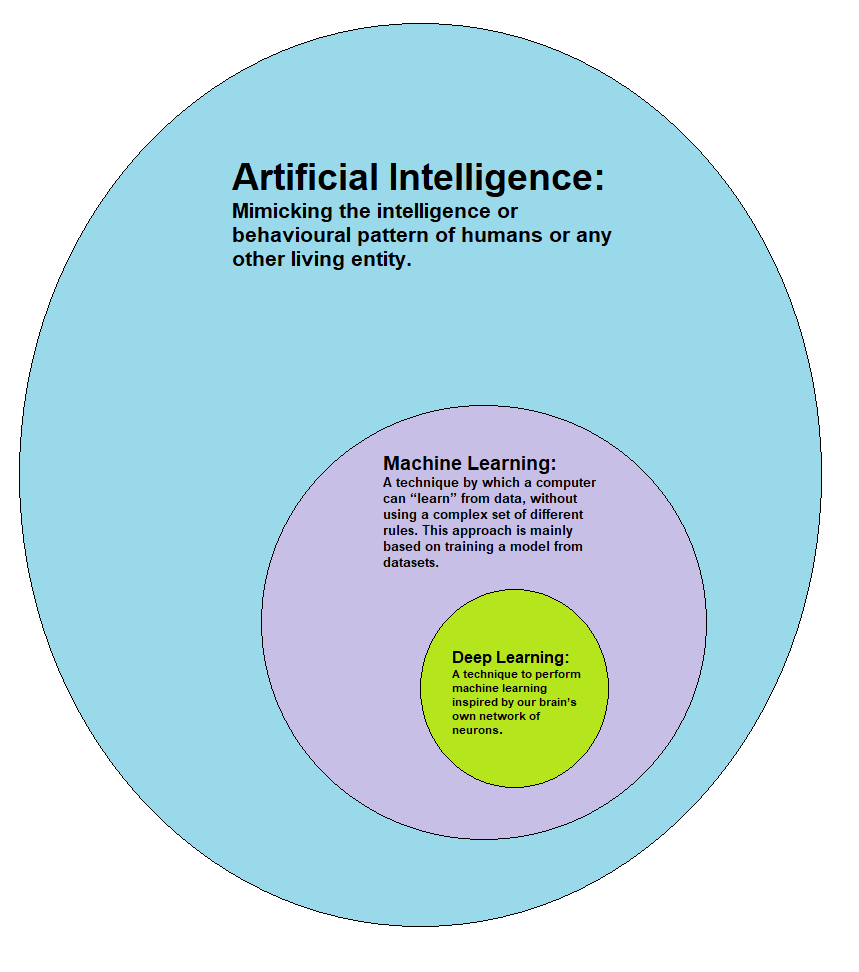
AI isn't a single technology. It's a broad field that includes more specific areas like machine learning and deep learning, which are ways of training a computer to learn from data.
A Quick Trip Through Time
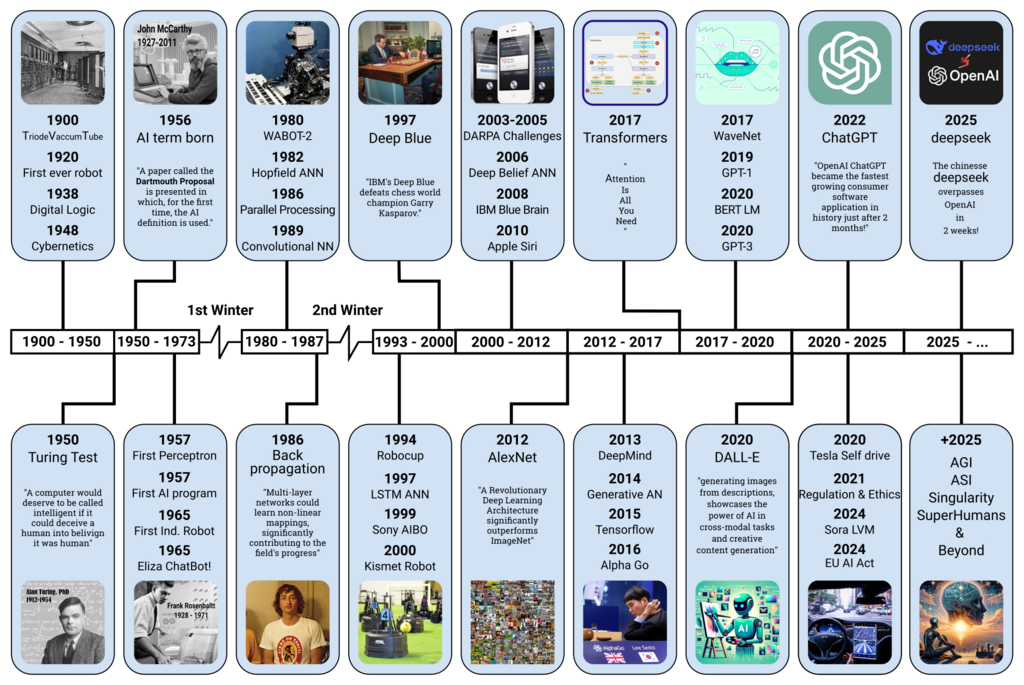
The idea of artificial minds has been around for centuries, but the scientific field of AI really began in the 1950s. Early AI systems were based on complex sets of hand-coded rules. A computer could play chess, for example, because programmers gave it rules for every possible move. This worked for well-defined problems, but it was brittle and couldn't handle the messiness of the real world.
A major shift happened when AI started to focus on learning from data. Instead of being programmed with rules, systems were trained on massive datasets, allowing them to discover patterns on their own. This approach, known as machine learning, combined with the explosion of the internet and powerful processors, has led to the rapid advances we see today.
AI All Around You
You probably use AI every day without even thinking about it. It’s the invisible engine behind many of the services you rely on.
When a streaming service recommends a movie you end up loving, that’s AI analyzing your viewing habits and comparing them to millions of others. When your navigation app reroutes you around a traffic jam, it's using AI to predict road conditions in real-time. Other common examples include email spam filters that learn to spot junk mail and digital assistants on your phone that understand your voice commands.
These tools work by taking in data from your daily life and using it to make processes smoother, faster, and more personalized.
Boosting Your Productivity
So how does this translate to being more productive? Integrating AI into your workflow can be a game-changer. It's about automating the repetitive, time-consuming tasks so you can focus on what truly matters—creative thinking, strategy, and complex problem-solving.
For example, AI can help you:
- Manage your inbox: Smart filters can organize emails, highlight important messages, and even suggest replies, saving you hours of administrative work.
- Draft content: AI tools can generate first drafts of reports, emails, or presentations based on a simple prompt, giving you a starting point to refine.
- Analyze data: Instead of manually sifting through spreadsheets, AI can instantly identify trends, summarize key findings, and create visualizations.
- Schedule meetings: AI assistants can coordinate with multiple people to find a meeting time that works for everyone, eliminating endless back-and-forth emails.
Applying AI software to work automation can transform your work, making your process efficient, accurate, and scalable.
By offloading these kinds of tasks, AI acts as a powerful assistant, freeing up your mental energy for more valuable work. This shift doesn't just make you faster; it allows you to work smarter.
Ready to check your understanding? Let's see what you've learned.
What are the three essential components that drive modern Artificial Intelligence?
Early AI systems, such as chess-playing programs from the 1950s, primarily relied on massive datasets to learn the best moves.
Understanding what AI is and how it works is the first step toward using it to enhance your daily life and work.