Boost Home Value with Design
Understanding Market Value
What Is Market Value?
Market value is the price a property is expected to sell for under normal conditions. Think of it as a snapshot in time. It's the price a willing buyer would pay a willing seller, when neither is under pressure and both have a reasonable understanding of the property's pros and cons.
Market Value
noun
The most probable price that a property should bring in a competitive and open market under all conditions requisite to a fair sale.
This value isn't based on what the current owner paid for the house years ago, or how much they spent on renovations. It’s about what the property is worth in the current market, to a typical buyer. For sellers, understanding market value helps set a realistic asking price. For buyers, it helps make a fair offer.
Get a Real-Time Market Valuation Understand what your property is truly worth today—not what you paid or hoped for.
Key Factors That Shape Value
Several key ingredients determine a property's market value. While some are obvious, their interplay is what truly sets the final price.
You've heard the saying: "Location, location, location." It's a cliché for a reason. A property’s location is the one thing you can't change, and it has a massive impact on value. Proximity to good schools, parks, shopping, and transportation can significantly increase a home's worth.
Next is the property's condition. This includes its age, the quality of construction, and how well it has been maintained. A brand-new home with flaws might be less valuable than an older, well-cared-for home. Buyers look at the state of the roof, plumbing, and electrical systems, as well as the overall upkeep.

Finally, current market trends play a crucial role. This is about supply and demand. If many people are looking to buy but few homes are for sale, it's a "seller's market," and prices tend to rise. If there are many homes for sale but few buyers, it's a "buyer's market," and prices may fall. Economic factors like interest rates and job growth also influence these trends.
The Power of Perception
Beyond the hard facts of location and condition, a property's value is also influenced by perception. This is where home design and staging come into play.
Good home design creates a space that feels inviting, functional, and spacious. It's not just about expensive materials, but about a smart layout, good lighting, and a cohesive style. An open-concept living area or a well-organized kitchen can make a home feel more valuable because they appeal to how people want to live today.
Staging takes this a step further. It’s the art of arranging furniture and decor to highlight a home's best features and help potential buyers emotionally connect with the space. A well-staged home allows buyers to envision themselves living there.
An empty room can feel small and confusing, while a cluttered one can feel cramped and overwhelming. Staging solves these problems. It gives each room a clear purpose and creates a welcoming atmosphere. This positive first impression can lead to stronger offers and a quicker sale, directly impacting the property's final market value.
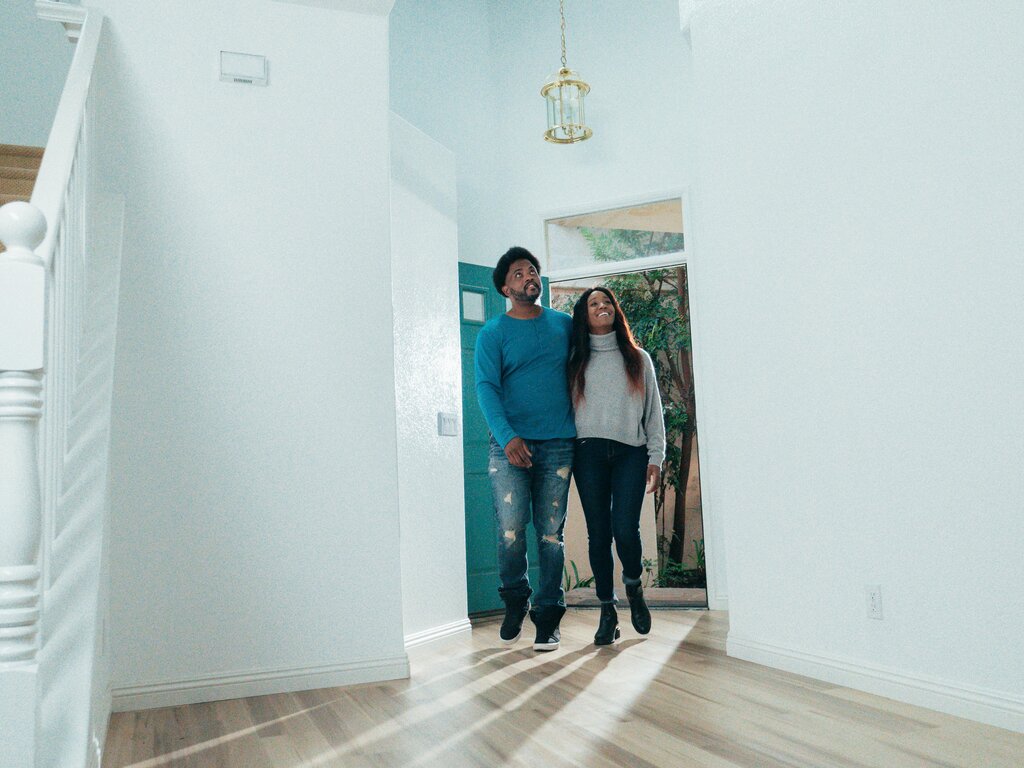
Now that you understand the fundamentals of market value, let's test your knowledge.
What is the best definition of a property's market value?
In a "seller's market," where many people are looking to buy but few homes are for sale, prices tend to ________.
Understanding these core concepts is the first step in making informed real estate decisions, whether you're buying, selling, or simply improving your home.